 Laser Hemorrhoidectomy – VIP Room Included
Advertiser Disclosure
Last updated: 11/11/2026
10 Best Hemorrhoidectomy Clinics in Thailand — AUD Prices

85 %
patient recommendation
7 K+
patients
Meet the experts behind this page
Medically reviewed by
Abdulcabbar Kartal
Authored by Anna Leonova
Head of Content Marketing Team
1M+ patient inquiries
32+ countries
3,323 partner clinics
13,325 certified doctors
How Much Does Hemorrhoidectomy Cost in Thailand in AUD?
Hemorrhoidectomy in Thailand typically costs between AUD $2,200 / ฿51,000 and AUD $4,300 / ฿98,600. The final price depends on the surgical technique, hospital accreditation, and stays in Bangkok versus regional hubs like Chiang Mai. Pricing generally covers surgeon fees, anaesthetic, theatre charges, and essential post-operative care.
- Stapled hemorrhoidectomy: typically adds 20–30% due to specialised circular stapling devices.
- Laser hemorrhoidectomy: may cost 50–100% more than the conventional surgical excision approach.
- City pricing: hospital procedures in Bangkok often cost 15–20% more than in regional cities.
- Rubber band ligation: generally costs significantly less as a non-surgical outpatient treatment.
Bookimed Expert Insight: Choosing JCI-accredited facilities in Thailand offers Australian patients high safety standards at competitive rates. Larger centres like Sikarin Hospital actively treat Australian patients, reflecting their familiarity with international care expectations. While premium hubs like Bumrungrad International Hospital charge more, they provide World's Best Hospital credentials. For significant savings, regional hubs like Chiang Mai offer quality care for lower base fees.
Data verified by Bookimed as of November 2026, based on patient requests and official quotes from 135 clinics worldwide. Median costs are based on real invoices (2025–2026) and updated monthly. Actual prices may vary.
Your Benefits and Guarantees with Bookimed
Transparent Prices & Flexible Installments
No hidden fees – just official clinic prices. Pay at the clinic for Hemorrhoidectomy upon arrival and use a flexible instalment plan if needed.
Verified Clinics & Doctors Only
Bookimed is committed to your safety. We only work with medical institutions that maintain high international standards in Hemorrhoidectomy and have the necessary licenses to serve international patients worldwide.
Free 24/7 Assistance
Bookimed offers free expert assistance. A personal medical coordinator supports you before, during, and after your treatment, solving any issues. You're never alone on your Hemorrhoidectomy journey.

Why we?
Your personal Bookimed medical coordinator
- Supports you at every stage
- Helps choose the right clinic and doctor
- Ensures quick and convenient access to information
Hemorrhoidectomy Packages in Thailand — November 2026 (AUD Pricing for Australians)
Procedure type
Laser Hemorrhoidectomy – VIP Room Included
Best Hemorrhoidectomy Clinics in Thailand for Australians: 10 Verified Options and AUD Prices
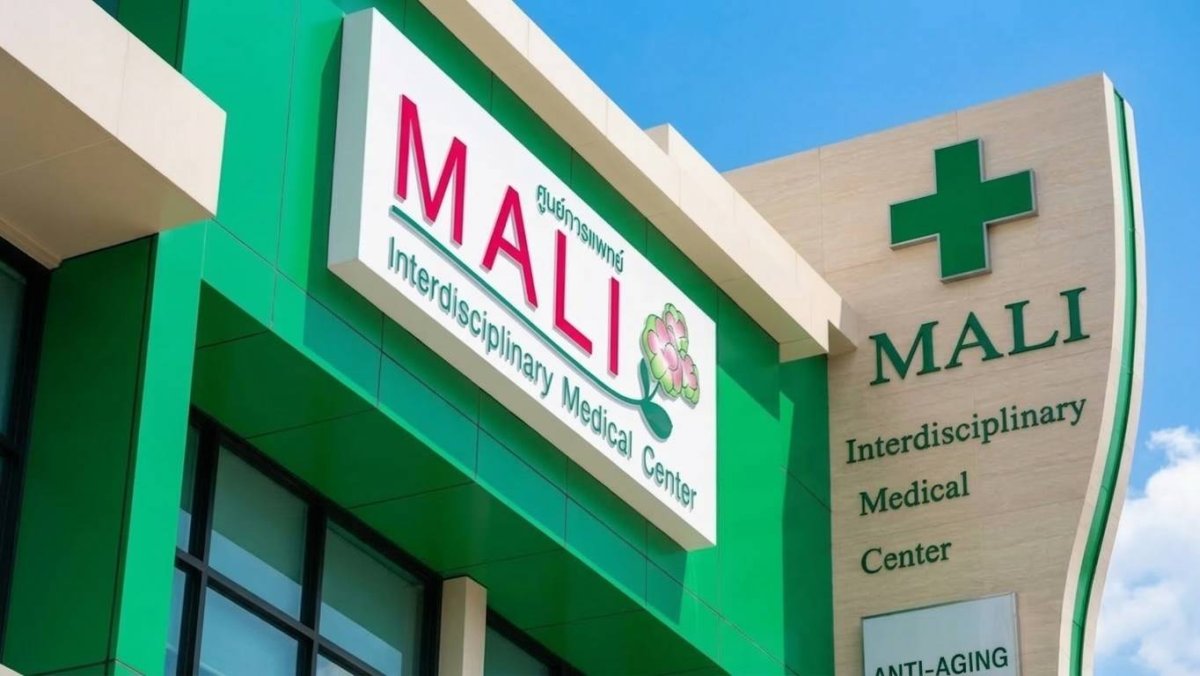
Mali Interdisciplinary Hospital
Thailand, Bangkok
Thanaphat Pomyukon
11 years of experience

Clinic is certified : 














Hemorrhoidectomy Overview in Thailand
Takeaways
Related procedures & Costs
How it works
Benefits
Payment
patients recommend -
85%
Surgery Time - 1 hour
Stay in the country - 7 days
Rehabilitation - 14 days
Anaesthesia - General anaesthesia
Requests processed - 7852
Bookimed fees - $0
Types of Hemorrhoidectomy
- Hemorrhoidectomy - from AUD $2,225This operation removes hemorrhoids, providing relief from pain and bleeding by surgically excising them.
- Stapled Haemorrhoidectomy - from AUD $4,451This operation treats haemorrhoids by removing them painlessly with less bleeding and quicker recovery.
How to find best solution with Bookimed?
Check available options for your case on the website.
Request a free consultation with documents assessment.
Download your medical records and describe your needs.
Receive customised free treatment plans with prices and details.
Compare them and finalise your choice.
Agree the date for your upcoming clinic visit.
Arrive and pay at the clinic. Bookimed fees are $0 for you.
From start to finish, the Bookimed coordinator keeps you safe and comfortable during your medical journey.
100% free, non-binding assessment of your medical records
Instant FREE personalised treatment plans to make the right choice
Expert guidance in choosing the perfect Surgery doctor and clinic.
Special packages and exclusive prices for our patients.
24/7 Bookimed guidance at no cost, guaranteed.
Hassle-free translation of your medical documents for clinics.
Bookimed's multilingual team ensures comfortable communication.
Bookimed ensures transparent and secure payments. Patients pay at the clinic with no additional fees.
Available Payment Methods:
How to Secure an Appointment:
1. Documents: Passport and ticket copies.
or
2. Deposit:
- Bookimed deposit: $200 or €200.
- Clinic deposit: Pay a set percentage in advance.
For more information, see our Payment Policy
Our Trusted Doctors for Australian Patients
View all Doctorsverified
Thanaphat Pomyukon
11 years of experience
Dr. Thanaphat Pomyukon is a gastrointestinal and general surgeon at Mali Interdisciplinary Hospital in Bangkok. He earned his medical degree from the prestigious Chulalongkorn University. Dr. Pomyukon holds a Thai Board Diploma in General Surgery from Roi Et Hospital. He treats digestive system diseases, breast lumps, and gallstones.
- Specializes in surgical repair for hernias and hemorrhoid treatment.
- Performs gastrointestinal endoscopy, including gastroscopy and colonoscopy.
- Practices at Mali Interdisciplinary Hospital, which holds American AACI accreditation.
- Works within a gastro-colonoscopic unit at a GHA-accredited facility.

verified
Dr Prasert Sujiipinyo
28 years of experience
Dr. Prasert Sujiipinyo is a general surgeon at Intrarat Hospital in Bangkok. He specializes in surgical procedures for the gastrointestinal tract, liver, and endocrine system. Dr. Sujiipinyo earned his medical degree from Chiang Mai University. He holds a Certificate of General Surgery from Rajavithi Hospital.
- Treats various hernias, including umbilical, incisional, and inguinal types.
- Expertise includes managing complex liver hemangiomas and pancreatic cysts.
- Performs surgical interventions for hemorrhoids, keloid scars, and trophic ulcers.
- Works at an ISO 9001:2015-certified facility that treats 100,000 patients annually.
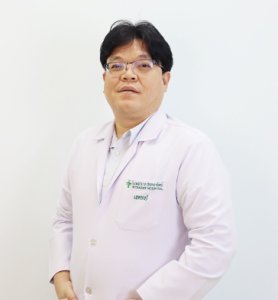
verified
Doctor Puttapong Serttikul
19 years of experience
Dr. Serttikul has over 19 years of surgical experience, specializing in hemorrhoidectomy and other gastrointestinal procedures at Inthrarat Hospital.
- Trained in laparoscopic colorectal surgery at Chulalongkorn University Hospital
- Completed advanced endoscopic and ERCP training
- Member of the NHSO Audit Committee for healthcare standards
- Board-certified general surgeon with extensive hospital experience

verified
Chatchai Fonglertnukul
14 years of experience
Dr. Chatchai Fonglertnukul, M.D., is a General and Advanced Laparoscopic Surgeon (Medical License No. 43834). He is board-certified in General Surgery at Rajavithi Hospital. He completed a fellowship in Advanced Laparoscopic Surgery there.
Education: Doctor of Medicine, Faculty of Medicine, Thammasat University. Expertise: general surgery, advanced laparoscopic (minimally invasive) surgery, and bariatric (weight-loss) surgery.
Video Stories from Bookimed Patients
Valentina
Traveling from Spain to Istanbul for a liposuction was a life-changing experience.
Procedure: Liposuction
Randolph
Stay strong, stay informed, and never underestimate the power of cutting-edge treatments and a solid support system.
Procedure: Radioembolization for liver cancer
Reviews about Bookimed: Discover Patients' Insights
All reviewsAnonymous • Inguinal hernia surgery
United Kingdom
21 Aug 2026
From the very first contact to the complimentary transport after my treatment, the service was first class
If you are thinking about this surgery, my main piece of advice is to bring someone with you. The staff were all busy, and while having a private room was good, it could have become very lonely if I hadn’t brought my friend to stay. The hospital staff made her very welcome and the accommodation provided for her was comfortable. My surgeon was thorough. He clearly explained the mesh options for the laparoscopic repair and also personally checked on me after the procedure. I'm still in early recovery, but I'm feeling better than expected. It was also good that there were no additional expenses on top of the price I paid.
Причина, по которой я выбрал эту клинику, заключалась в оперативности, с которой они всё для меня организовали. Начиная с первого контакта с Дариной через WhatsApp и заканчивая бесплатным транспортом до моего места проживания после лечения, сервис был первоклассным.
Я взял с собой свою подругу, которая помогла с переводом. Она следила за тем, чтобы я был в курсе всего, что происходило. Хотя поддержка для перевода на английский язык была, она не была действительно проверена.
Anonymous • Vasectomy
Germany
9 Mar 2025
The doctor at the clinic did an amazing job
Bookimed was a perfect help to organize all my needs around my surgery. The doctor at the clinic did an amazing job. Overall, my expectations were more than just met.
A big thanks to everyone from bookimed and the clinic to make it such a smooth experience.
I really appreciated the full support from Bookimed and the perfectly professional doctor.
The experience in conjunction of bookimed and the clinic together was perfectly fine.
About Bookimed service
Everyone I was in contact with was super friendly and helpful. I was a bit confused at one point when to talk to the clinic and when to organize things through bookimed, but bookimed was always there to help me back on track.
Share this content
Updated: 11/11/2026
Authored by
 Anna Leonova
Head of Content Marketing Team
A certified medical writer with 10+ years of experience, developed Bookimed’s trusted content, backed by a Master’s in Philology and medical expert interviews worldwide.
Reviewed by Bookimed Medical Advisor

Abdulcabbar Kartal
Colorectal surgeon
Assoc. Prof. Dr. Abdulcabbar Kartal is a colorectal and general surgeon specializing in HIPEC and bariatric surgery. He is certified by the European Society of Coloproctology (FEBS-C) and has performed over 500 bariatric surgeries.
This page may feature information relating to various medical conditions, treatments, and healthcare services available in different countries. Please be advised that the content is provided for informational purposes only and should not be construed as medical advice or guidance. Please consult with your doctor or a qualified medical professional before starting or changing medical treatment.
FAQ about Hemorrhoidectomy in Thailand
These FAQs come from real patients seeking medical assistance through Bookimed. Answers are given by experienced medical coordinators and trusted clinic representatives.
What surgical techniques are used for a haemorrhoidectomy in Thailand?
Thai hospitals use diverse surgical techniques ranging from traditional excisional methods to advanced laser ablation. JCI-accredited facilities specialise in minimally invasive options like stapled haemorrhoidopexy and laser haemorrhoidoplasty. These procedures target severe Grade 3 and 4 cases while aiming to reduce post-operative discomfort and recovery times.
- Excisional surgery: Traditional open or closed methods remove severe haemorrhoids using surgical cutting.
- Laser haemorrhoidoplasty: Diode lasers shrink blood vessels with thermal energy, avoiding external surgical scars.
- Stapled haemorrhoidopexy: Surgeons use a circular device to treat internal prolapses and restore anatomy.
- Energy-based excision: Specialist tools like LigaSure or harmonic scalpels minimise bleeding during tissue removal.
- Doppler-guided ligation: Ultrasound technology locates precisely which arteries to tie off without any cutting.
Bookimed Expert Insight: While many Australian patients seek laser treatments, the best outcomes often depend on the surgeon's choice between open and closed excision. Data from clinics like Sikarin Hospital shows they tailor these approaches based on whether haemmorhoids are internal or external. This specific selection significantly impacts wound healing and initial post-operative pain levels.
Patient Consensus: Patients find that choosing between stapled or excisional surgery depends on their haemorrhoid grade. Recovery in Thailand involves coordinating bowel care early to manage the discomfort of first post-op movements.
How long should I plan to stay in Thailand for this procedure?
Most patients require 7 to 14 days in Thailand for a haemorrhoidectomy. This timeframe ensures safe travel after surgery and allows for mandatory follow-up appointments. Clinical centres in Bangkok and Pattaya usually require 1 to 2 nights of hospital stay for observation before discharge to a local hotel.
- Pre-operative period: Plan 1 to 2 days for blood tests and surgeon consultations in Bangkok.
- Clinical stay: Surgeons typically recommend 1 to 2 days in hospital for pain management.
- Initial recovery: First 7 days are critical for managing pain and post-operative bowel movements.
- Fit-to-fly clearance: Most JCI-accredited hospitals issue travel clearance around 10 days after surgery.
Bookimed Expert Insight: Data suggests choosing clinics like Sikarin Hospital or Bumrungrad International Hospital which serve over 250,000 patients annually. These high-volume centres often have dedicated international wings. This is vital because haemorrhoidectomy recovery requires strict hygiene and specific dietary support that international coordination teams easily arrange.
Patient Consensus: Staying closer to 2 weeks provides a comfortable buffer for recovery. Using stool softeners and staying hydrated helps manage the first week of healing in Thailand.
Are there non-surgical alternatives to a haemorrhoidectomy?
Non-surgical alternatives such as rubber band ligation, sclerotherapy, and infrared coagulation treat internal haemorrhoids without the need for general anaesthesia. These clinic-based procedures effectively manage Grade 1 to 3 haemorrhoids by cutting off blood supply, leading to tissue shrinkage and significantly less downtime than a traditional haemorrhoidectomy.
- Rubber band ligation: A small band cuts blood supply so the tissue shrivels within days.
- Injection sclerotherapy: Specialists inject a chemical solution to scar and shrink the haemorrhoidal vessels.
- Infrared coagulation: Brief bursts of infrared light create scar tissue to block blood flow.
- Target patient group: These office-based options primarily treat bleeding and internal prolapse, not external cases.
- Treatment setting: Procedures take place in clinics like Sikarin Hospital, often requiring no hospital stay.
Bookimed Expert Insight: While non-surgical options like banding are popular, data shows they often require multiple sessions for a lasting result. In Thailand, established centres like Bumrungrad International Hospital serve over 1 million patients annually, offering both advanced colorectal surgery and minimally invasive therapies under one roof. Choosing a clinic that specialises in gastroenterology ensures that if a non-surgical approach fails, a specialist surgeon is already familiar with the case history.
Patient Consensus: Patients find that banding and sclerotherapy provide immediate relief from bleeding, though they highlight that increasing fibre and hydration is vital to prevent any recurrence. In Thailand, the convenience of quick clinic visits allows many to return to their holiday activities almost immediately after treatment.
Which hospitals in Thailand are recommended for colorectal surgery?
Bumrungrad International Hospital and Bangkok Hospital are the top-rated facilities for colorectal surgery in Thailand. These hospitals maintain Joint Commission International accreditation and use robotic systems like da Vinci Xi for minimally invasive procedures. Surgeons specialise in laparoscopic techniques for conditions ranging from haemorrhoids to colon cancer.
- Technological leadership: Bumrungrad International Hospital uses robotic-assisted systems for higher precision.
- Specialised centres: Samitivej Sukhumvit Hospital operates an independent Colorectal Centre with AI screening.
- Advanced training: Dr Puttapong Serttikul at Intrarat Hospital specialises in laparoscopic colorectal surgery.
- Regional excellence: Bangkok Hospital Phuket houses the dedicated Bangkok-Phuket Colorectal Disease Institute.
Bookimed Expert Insight: While many secondary hospitals offer general surgery, the most consistent outcomes for complex cases are found in Bangkok's high-volume centres. Sikarin Hospital and Bumrungrad collectively serve over 1.2 million patients annually. Their surgeons often perform hundreds of bowel procedures each year, which significantly lowers the risk of post-surgical complications.
Patient Consensus: Patients suggest choosing major Bangkok hospitals with dedicated colorectal teams for better specialist access. Good English support in Thailand proves essential for understanding post-operative bowel care and recovery instructions.