How Much Does Hair transplant Cost in Thailand in AUD?
Hair transplant in Thailand typically costs from AUD $3,500 / ฿81,600 to AUD $4,500 / ฿105,400. Prices depend on the chosen technique, graft count, and the surgeon's experience level. In Australia, the same procedure costs approximately AUD $18,400 / ฿435,200, meaning patients can save around 78% by travelling. Packages often include consultations, local anaesthetic, post-op medications, and transfers in Bangkok or Phuket.
FUE hair transplant: AUD $3,500 / ฿81,600 to AUD $4,300 / ฿102,000 for the standard minimally invasive extraction method.
DHI hair transplantation: AUD $4,300 / ฿102,000 to AUD $5,800 / ฿136,000 which often carries a 20–30% premium.
FUT Hair Transplant: from
AUD $5,500 / ฿129,200 for the traditional strip surgery technique.
ARTAS robotic hair transplant: AUD $5,200 / ฿122,400 to AUD $7,900 / ฿187,000 using advanced robotic-assisted technology.
Sapphire FUE hair transplant: AUD $3,700 / ฿88,400 to AUD $6,200 / ฿146,200 using specialised sapphire-tipped blades for finer incisions.
Bookimed Expert Insight: While base prices are competitive, true value lies in specialized clinics like Dr.Nutt Clinic. They perform only one procedure per day for dedicated care. Many Thai surgeons, such as Dr. Ariyapon Lortaraprasert, have performed over 10,000 transplants. Higher-tier packages often include extras like PRP therapy sessions and growth guarantees to ensure the best long-term results.
Data verified by Bookimed as of October 2026, based on patient requests and official quotes from 344 clinics worldwide. Median costs are based on real invoices (2025–2026) and updated monthly. Actual prices may vary.
Best Hair transplant Clinics in Thailand for Australians: 15 Verified Options and AUD Prices
A procedure involves surgically implanting hair follicles to restore a natural-looking hairline, enhancing appearance and boosting confidence with minimal downtime for recovery.
This surgery involves extracting hair follicles from areas like the chest or back and implanting them onto the scalp, offering a natural-looking solution for hair loss.
This minimally invasive procedure uses advanced technology to harvest and implant hair follicles, providing natural-looking results with minimal downtime and a swift recovery.
How to find best offer with Bookimed?
Discover options on the website: deals, clinics, and doctors.
Select your favourites.
Share photos or describe your issue.
Send a request.
Receive free offers for your needs with prices and details.
Compare and finalise your choice.
Book your clinic visit.
Pay at the clinic. Bookimed fees are $0 for you.
From start to finish, the Bookimed coordinator keeps you safe and comfortable during your medical journey.
100% free, non-binding assessment of your case after photos download.
Instant FREE personalised offers to make the right choice.
Expert guidance in choosing the perfect Plastic Surgery doctor and clinic.
Special packages and exclusive prices for our patients.
24/7 Bookimed guidance at no cost, guaranteed.
Hassle-free translation of your medical documents for clinics.
Multilingual staff — no language barrier with Bookimed coordinator.
Bookimed ensures transparent and secure payments. Patients pay at the clinic with no additional fees.
40 years of experience • 20000+ treatments performed
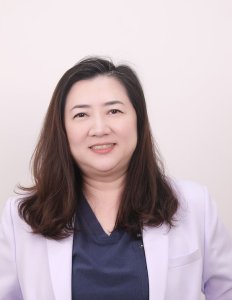
Dr. Phatcharasak Kraisornphongsakul has performed over 20,000 surgical procedures in Bangkok. He is a dual board-certified surgeon in both general and plastic surgery. Dr. Kraisornphongsakul practices at Somchai Clinic, which treats 10,000 patients annually. His surgical background spans over 40 years of medical practice in Thailand.
Specializes in deep plane facelifts, breast augmentation, and 360 liposuction.
Board-certified in plastic surgery since 2000.
Performs specialized male procedures including gynecomastia surgery and penile implants.
Treats patients at Somchai Clinic, a center founded in 2001.
The most reassuring part of the whole process was sitting with the surgeon before we started
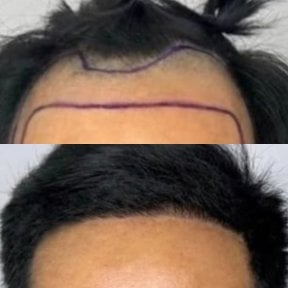
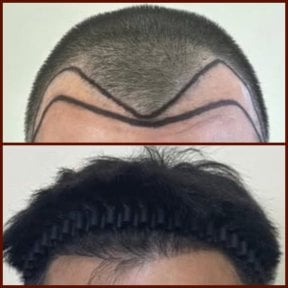
The most reassuring part of the whole process was sitting with the surgeon before we started. He took the time to draw the hairline with me and clearly explained the entire FUE extraction and implantation process, which helped manage my expectations for the 2,000-3,000 graft procedure. Now in the early stages of healing, I'm feeling about as expected. The clinic has stayed in touch, which is good. Overall, it was a solid experience with the surgeon and staff, and I appreciated that there were no additional expenses on top of what I was quoted.
A certified medical writer with 10+ years of experience, developed Bookimed’s trusted content, backed by a Master’s in Philology and medical expert interviews worldwide.
General practitioner. Winner of 4 scientific awards. Served in Western Asia. Former Team Leader of a medical team supporting Arabic-speaking patients. Now responsible for data processing and medical content accuracy.
This page may feature information relating to various medical conditions, treatments, and healthcare services available in different countries. Please be advised that the content is provided for informational purposes only and should not be construed as medical advice or guidance. Please consult with your doctor or a qualified medical professional before starting or changing medical treatment.
Our Hair transplant Techniques: What Suits You Best?
When considering Hair transplant, it’s important to understand the different techniques and which is best suited for you. Here’s a concise comparison of popular options:
FUE Hair Transplant
Follicular Unit Extraction involves removing individual hair follicles from a donor area and implanting them into balding or thinning areas.
Pros: Minimal scarring compared to FUT. Faster healing than DHI, with 10-15% more grafts possible in one session. Ideal for achieving a natural hairline.
Cons: Longer procedure time than ARTAS robotic hair transplant. May require multiple sessions for extensive hair loss compared to organic methods.
Effectiveness: Up to 4000 grafts per session.
Duration: 4-8 hours
Recovery: 7-10 days
Best for: Hair loss in small to moderate areas, creating a natural hairline.
Prices: Cost of FUE hair transplant in Thailand from AUD $3,456
DHI Hair Transplantation
Direct Hair Implantation involves using a specialized pen to implant hair follicles one by one directly into the scalp.
Pros: Provides precise control over hair direction and density, ensuring a natural hairline. Minimal handling of hair follicles increases survival rate by up to 15%.
Cons: Typically more time-consuming than FUE and requires highly skilled practitioners. This can result in longer sessions.
Effectiveness: Up to 95% graft survival rate.
Duration: 6-8 hours
Recovery: 7-10 days
Best for: Small areas requiring high precision, up to 4000 grafts.
Prices: Cost of DHI hair transplantation in Thailand from AUD $4,320
FUT Hair Transplant
Follicular Unit Transplantation involves removing a strip of scalp to harvest hair follicles for implantation.
Pros: Higher graft yield in a single session. Up to 4,000 grafts can be transplanted, more than FUE or DHI methods.
Cons: Leaves a linear scar, unlike FUE or ARTAS which are less invasive. Longer recovery time compared to DHI.
Effectiveness: Success rate of 95-98% for graft survival.
Duration: 4-8 hours
Recovery: 10-14 days
Best for: Treating large bald areas, with up to 4,000 grafts for extensive hair loss.
Prices: Cost of FUT Hair Transplant in Thailand from AUD $5,472
ARTAS Robotic Hair Transplant
Utilizes advanced robotic technology for precise follicle transplantation to restore hair.
Pros: Offers high precision with minimal scarring, up to 50% faster than manual FUE. Consistently accurate graft placement enhances natural hairline appearance.
Cons: High initial investment in technology. Limited availability compared to manual methods, which may affect accessibility.
Effectiveness: Success rate of 90-95% in graft survival.
Duration: 4-8 hours
Recovery: 7-10 days
Best for: Restoring hair in balding areas with high precision. Ideal for those seeking minimal downtime.
Organic Hair Transplantation
Uses a special serum derived from the patient's own fat to enhance hair growth and healing.
Pros: Promotes natural hair growth with a 95% success rate. Reduces scalp inflammation by 80%, using no synthetic chemicals.
Cons: Requires fat extraction from the body, which might not be suitable for everyone. Limited to those with enough donor fat available.
Effectiveness: Transplants up to 4,000 grafts.
Duration: 6-8 hours
Recovery: 7-10 days
Best for: Patients seeking natural hair restoration with enhanced healing. Ideal for alopecia solutions.
FAQ about Hair transplant in Thailand
These FAQs come from real patients seeking medical assistance through Bookimed. Answers are given by experienced medical coordinators and trusted clinic representatives.
Is it safe to undergo a hair transplant in Thailand?
Undergoing a hair transplant in Thailand is safe when choosing clinics accredited by JCI or ISO. Leading Thai surgeons are typically members of the ISHRS (International Society of Hair Restoration Surgery) or the ABHRS (American Board of Hair Restoration Surgeons). These affiliations require strict medical protocols and high graft survival rates.
Accredited facilities: Elite Bangkok hospitals like Asia Cosmetic Hospital hold JCI and ISO certifications.
Expert surgeons: Specialists such as Dr Ariyapon Lortaraprasert have performed 10,000+ hair restoration procedures.
Specialised techniques: Clinics offer Sapphire FUE, DHI, and ARTAS robotic systems for natural results.
Rigorous screening: Top centres require blood tests and medical history to prevent surgical complications.
Bookimed Expert Insight: While many countries use technician teams, premium Thai clinics often focus on surgeon-led transplanting. Dr Nutt Chawalitkul at Dr.Nutt Clinic performs only one procedure per day. This allows the surgeon to personally handle the hairline design and graft placement. This approach significantly reduces the risk of follicle damage.
Patient Consensus: Selecting a specific surgeon who handles the entire procedure is vital. Patients in Thailand value the inclusive transfers and telehealth follow-ups. These services simplify recovery after returning to Australia.
When will I see the final results after a hair transplant in Thailand?
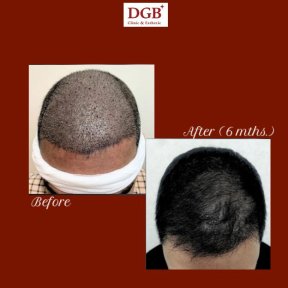
Final hair transplant results in Thailand typically emerge between 12 and 18 months. Initial regrowth starts around month 3, but the crown often matures slowly. JCI-accredited clinics in Bangkok and Phuket follow international growth cycles as follicles mature into natural density.
Shedding phase: Transplanted hairs fall out during months 1–2 before new growth begins.
Initial growth: Thin baby hairs appear by month 4 and often look patchy.
Visible thickening: Significant cosmetic improvement usually occurs between months 5 and 8.
Crown maturation: The vertex area may take 15–18 months for peak volume.
Bookimed Expert Insight: Thai clinics like Dr.Nutt Clinic often bundle PRP therapy or Healite II LED sessions. These treatments can support graft survival and help with early healing. Choosing a package with 6-month follow-up helps monitor results via telehealth. Asia Cosmetic Hospital offers these types of packages.
Patient Consensus: Expect an early "ugly duckling" phase where your hair looks thinner. Monthly photos show patchy growth at month 4, but full density arrives later.
Does a hair transplant procedure in Thailand involve pain?
Hair transplants in Thailand are generally not painful. Surgeons use local anaesthesia to numb the scalp. Patients feel brief stinging during injections, but the extraction and implantation stages are pain-free. Many people relax or watch movies during the session.
Anaesthesia Stage: Local anaesthesia keeps the scalp completely numb before any incisions occur.
Surgical Sensation: Patients typically report only safe pressure or mild tugging during grafts.
Techniques: FUE and DHI methods use micro-incisions to reduce tissue trauma and soreness.
Post-Op Comfort: Clinics like Asia Cosmetic Hospital provide medication to manage mild tightness after surgery.
Bookimed Expert Insight: Most clinics rely on local numbing. However, Asia Cosmetic Hospital offers a general anaesthesia option in some packages. This rare find for hair restoration eliminates all awareness of the initial injections. Patients often find that part the most uncomfortable.
Patient Consensus: Transplants in Thailand are comfortable once the initial 5-minute stinging passes. Most patients find the prolonged sitting and itchy healing phase more challenging than surgery pain.
How long do I need to stay in Thailand for a hair transplant?
Most patients spend 5 to 7 days in Thailand for a hair transplant. The surgery is usually a same-day outpatient procedure. However, this timeframe allows for mandatory checkups and specialised hair washings. It also helps graft stabilisation before the long flight home to Australia.
Clinical review: Surgeons perform a final graft inspection typically 24–48 hours after the procedure.
Graft anchoring: Staying 5+ days ensures grafts are secure before cabin pressure changes during flights.
Specialised washing: Clinics provide medically supervised hair washes to prevent infection and displace scabs.
Telehealth follow-up: Many providers include 6-month remote monitoring for international patients through digital consultations.
Bookimed Expert Insight: A 3-day trip is possible, but a longer stay often adds value. At Plenary Wellness in Phuket, patients can recover for 7 nights in a 5-star beach resort. This allows complete rest during the most critical healing phase.
Patient Consensus: Booking a 7-day stay provides enough time for essential checkups and supervised washing. Patients suggest finishing all sightseeing before the surgery. This avoids sun exposure and sweating which may damage new grafts.
How does the tropical Thai weather affect post-op recovery for a hair transplant?
Thai weather requires strict discipline during the first 14 days of hair transplant recovery. High heat and humidity increase sweating and infection risks. Intense UV radiation can damage delicate new follicles or cause scalp hyperpigmentation.
Sun protection: Avoid direct UV exposure entirely for 14 days to prevent graft DNA damage.
Humidity control: Stay in air-conditioned environments (22–24°C) to stop sweat dislodging fresh scalp scabs.
Transport strategy: Use enclosed air-conditioned taxis instead of open-air tuk-tuks or motorbikes.
Water safety: Skip hotel pools and ocean swimming for 4 weeks to avoid bacterial infection.
Bookimed Expert Insight: Many Australian patients target the cool season from November to February. Bookimed data shows high-volume clinics like Asia Cosmetic Hospital maintain 0% complication rates year-round. These clinics use JCI-standard climate control. The key for Australians is choosing a package with clinic-to-hotel transfers. This eliminates the risk of sweat-induced folliculitis during the critical first 48 hours.
Patient Consensus: Many patients found sweating the hardest part of recovery in Thailand. They recommended treating air-conditioning like medicine. Patients suggest booking extra hotel days to rest indoors during the healing process.