Advertiser Disclosure
Last updated: 09/11/2026
16 Best Gum surgery Clinics in Thailand — AUD Prices

85 %
patient recommendation
1 K+
patients
Meet the experts behind this page

Medically reviewed by
Fahad Mawlood
Authored by Anna Leonova
Head of Content Marketing Team
1M+ patient inquiries
32+ countries
3,323 partner clinics
13,325 certified doctors
How Much Does Gum surgery Cost in Thailand in AUD?
Gum surgery in Thailand typically costs from AUD $380 / ฿8,500 to AUD $450 / ฿10,200. Final prices depend on the specific technique, number of quadrants treated, and the use of laser technology. Standard inclusions often cover the surgical procedure and initial specialist consultations.
- Gingivectomy: AUD $230 / ฿5,100 to AUD $1,100 / ฿23,800 for the removal of excess gum tissue.
- Apically repositioned flap: AUD $230 / ฿5,100 to AUD $1,100 / ฿23,800 to treat advanced gum disease.
- Plastic of gingival recession: AUD $600 / ฿13,600 to AUD $1,100 / ฿25,500 for grafting to cover exposed roots.
- Laser-assisted techniques: Typically add a 20–30% premium over traditional scalpel methods for faster healing.
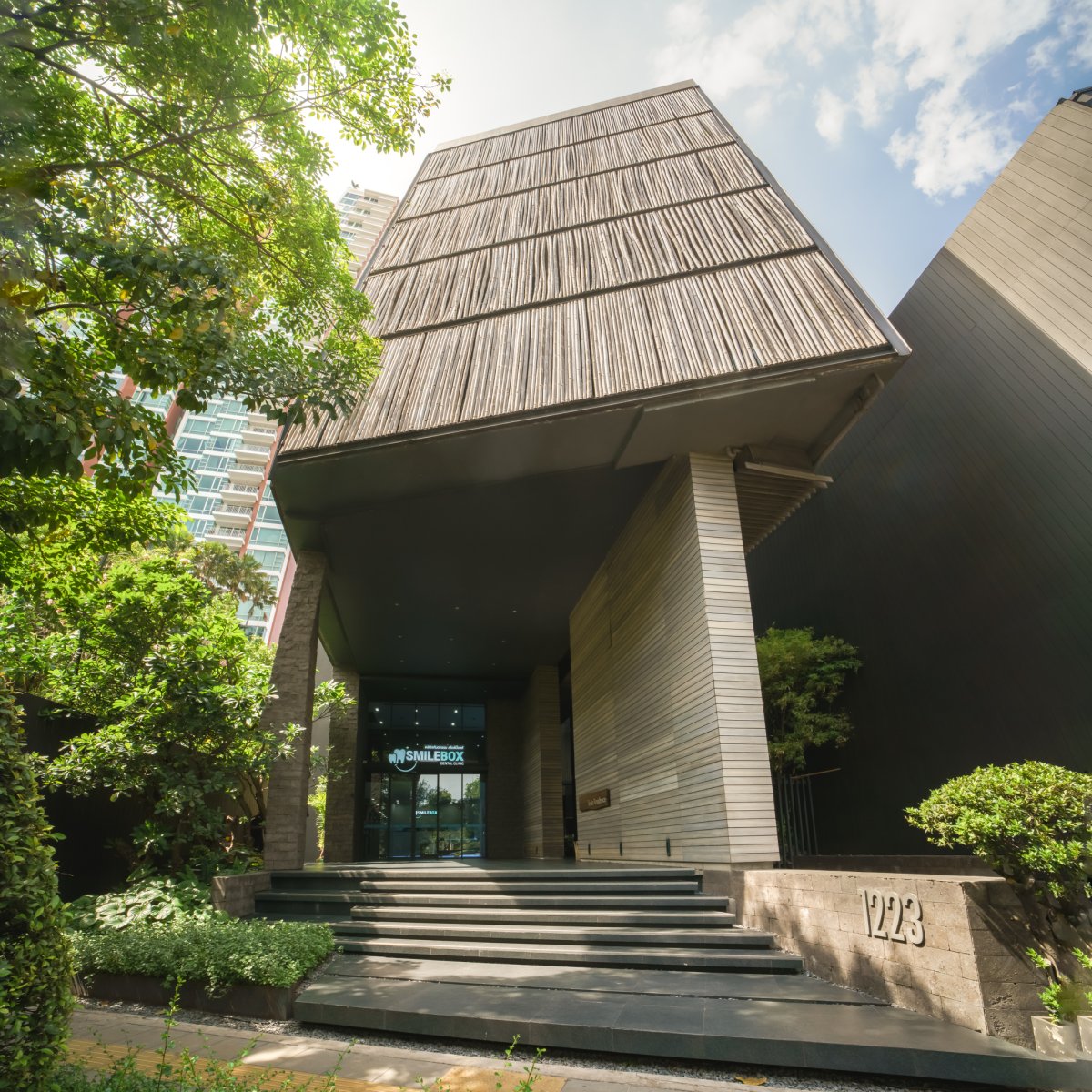
Bookimed Expert Insight: Australian patients frequently visit clinics like SmileBox Dental Clinic, which offers gum grafting packages around A$400. This is remarkably cost-effective given that specialists there often hold advanced international qualifications. For complex cases, JCI-accredited facilities like Bangkok International Dental Center provide hospital-grade safety. Choosing these accredited centres ensures you receive care that meets the same rigorous standards as private Australian dental clinics.
| Thailand | Turkey | |
|---|---|---|
| Gum surgery | from AUD $380 / ฿8,500 | from AUD $150 / ฿3,400 |
| Plastic of gingival recession | ≈ AUD $600 / ฿13,600 | from AUD $680 / ฿15,300 |
| Gingivectomy | from AUD $230 / ฿5,100 | from AUD $60 / ฿1,400 |
| Apically repositioned flap | from AUD $230 / ฿5,100 | ≈ AUD $330 / ฿7,500 |
Data verified by Bookimed as of November 2026, based on patient requests and official quotes from 349 clinics worldwide. Median costs are based on real invoices (2025–2026) and updated monthly. Actual prices may vary.
Your Benefits and Guarantees with Bookimed
Transparent Prices & Flexible Installments
No hidden fees – just official clinic prices. Pay at the clinic for Gum surgery upon arrival and use a flexible instalment plan if needed.
Verified Clinics & Doctors Only
Bookimed is committed to your safety. We only work with medical institutions that maintain high international standards in Gum surgery and have the necessary licenses to serve international patients worldwide.
Free 24/7 Assistance
Bookimed offers free expert assistance. A personal medical coordinator supports you before, during, and after your treatment, solving any issues. You're never alone on your Gum surgery journey.

Why we?
Your personal Bookimed medical coordinator
- Supports you at every stage
- Helps choose the right clinic and doctor
- Ensures quick and convenient access to information
Gum surgery Packages in Thailand — November 2026 (AUD Pricing for Australians)
Procedure type
Best Gum surgery Clinics in Thailand for Australians: 16 Verified Options and AUD Prices









Kitcha Dental Clinic
Thailand, Chiang Mai
Thanwarat Yamsuk
17 years of experience

Surgeon's portfolio

Clinic is certified : 


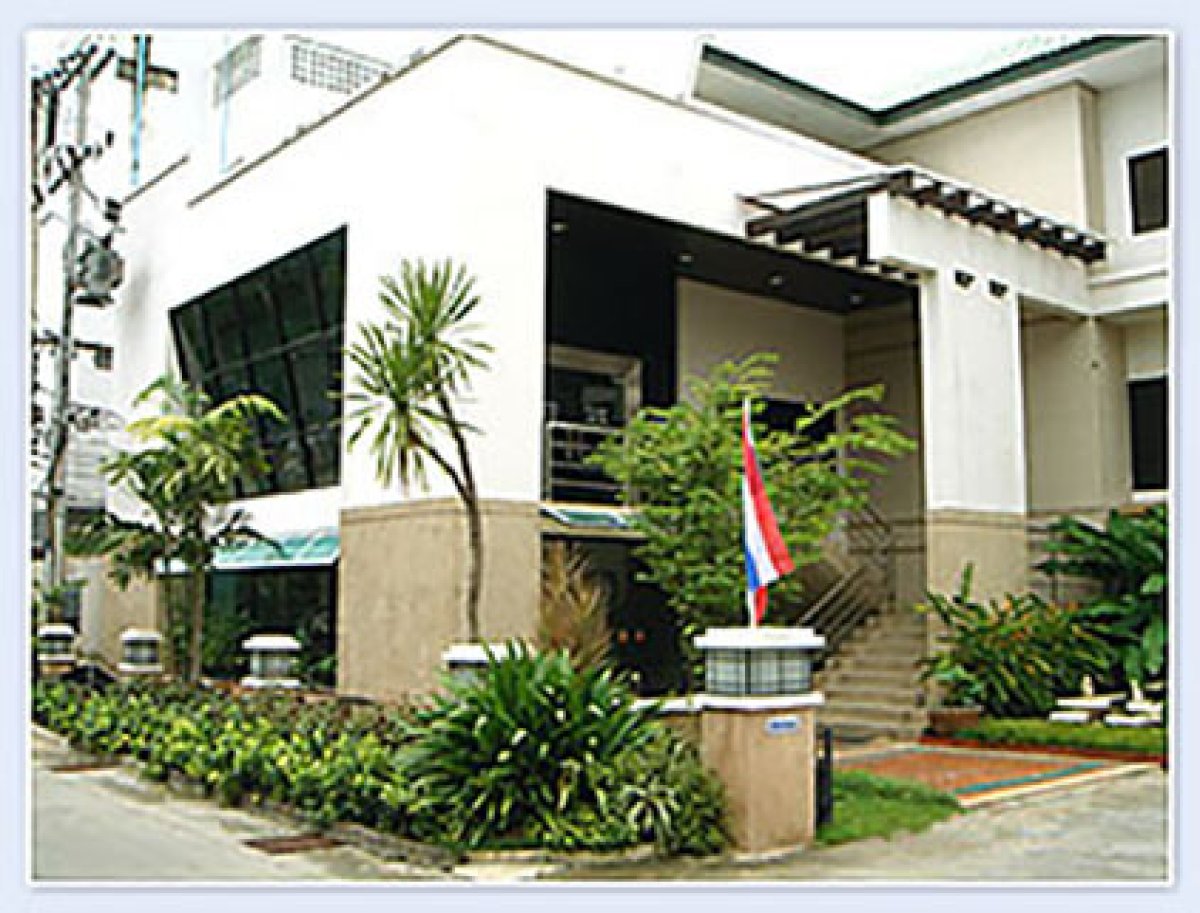



Bangkok International Dental Center at Emquartier
Thailand, Bangkok
Apichart Veerawattanatigul
21 years of experience

Clinic is certified : 

You’ve viewed 9 of 16 clinics
Gum surgery Overview in Thailand
Takeaways
Related procedures & Costs
How it works
Benefits
Payment
patients recommend -
85%
Surgery Time - 2 hours
Stay in the country - 3 days
Rehabilitation - 7 days
Anaesthesia - Local anaesthesia
Before & after photos - 2
Verified patient reviews - 14
Bookimed fees - $0
Types of Gum surgery
- Gingivectomy - from AUD $225Excess gum tissue removal to treat or prevent gum disease, improving oral health and aesthetics.
- Gum surgery - from AUD $376This therapy treats gum disease, involves removing infection, reshaping tissues, and sometimes bone restructuring.
- Apically repositioned flap - from AUD $225This therapy realigns gum tissue for better dental health, through a minimally-invasive surgical process offering quick recovery.
How to find best offer with Bookimed?
Discover options on the website: deals, clinics, and doctors.
Select your favourites.
Share photos or describe your issue.
Send a request.
Receive free offers for your needs with prices and details.
Compare and finalise your choice.
Book your clinic visit.
Pay at the clinic. Bookimed fees are $0 for you.
From start to finish, the Bookimed coordinator keeps you safe and comfortable during your medical journey.
100% free, non-binding assessment of your case after photos download.
Instant FREE personalised offers to make the right choice.
Expert guidance in choosing the perfect Dental Treatment doctor and clinic.
Special packages and exclusive prices for our patients.
24/7 Bookimed guidance at no cost, guaranteed.
Hassle-free translation of your medical documents for clinics.
Multilingual staff — no language barrier with Bookimed coordinator.
Bookimed ensures transparent and secure payments. Patients pay at the clinic with no additional fees.
Available Payment Methods:
How to Secure an Appointment:
1. Documents: Passport and ticket copies.
or
2. Deposit:
- Bookimed deposit: $200 or €200.
- Clinic deposit: Pay a set percentage in advance.
For more information, see our Payment Policy
Our Trusted Doctors for Australian Patients
View all Doctors
verified
Vishal Sehgal
9 years of experience
Dr. Vishal Sehgal is a dental professional at SmileBox Dental Clinic in Bangkok. He earned his Doctor of Dental Surgery with First Class Honors from Rangsit University. He is pursuing dual Master of Science degrees in Implantology and Dental Surgery. Dr. Sehgal founded the "English for Dentists" course to help professionals treat international patients.
- Holds psychological certifications from Johns Hopkins University and Yale University.
- Lectures at the School of Dentistry, King Mongkut’s Institute of Technology.
- Specializes in dental implants, veneers, and invisible aligners.
- Works at a clinic treating 1,600 patients annually from the USA, Europe, and Australia.

verified
Thanapon Suwanapong
16 years of experience
Dr. Thanapon Suwanapong is a licensed oral and maxillofacial surgeon trained at Mahidol University – Thailand's premier dental institution.
- Specializes in complex surgical procedures for the mouth, jaw, and face
- Expert in corrective jaw surgery and facial trauma reconstruction
- Patient-centered approach with individualized treatment plans
- Licensed by the Thai Dental Council

verified
Napapas Nidhidvanich
31 years of experience
Dr. Napapas Nidhidvanich specializes in complex tooth problems, focusing on gum surgery with precision at Intrarat Hospital.
- Graduated with honors from Chulalongkorn University
- Holds a Master's in Endodontics
- Diplomate of the Thai Board of Endodontics
- Specializes in treatments affecting tooth pulp and nerves

verified
Pawak Tungthangthum
17 years of experience
Dr. Pawak Tungthangthum brings over 17 years of specialized dental expertise, trained in both Thailand and the USA. Currently heads the Dental Department at Bangkok Chiang Mai Hospital.
- Specializes in esthetic restorative and implant dentistry
- Member of The American Dental Association and The International Congress of Oral Implantologists
- Completed advanced implantology training at Los Angeles School of Dentistry
- Experienced in both restorative and implant procedures
Video Stories from Bookimed Patients
Igor
It was great! Transfers, accommodation, treatment—all included.
Procedure: Dental Implant
David
Who knew getting your teeth fixed could be a mini vacation?
Procedure: Installation of a dental implant with crown
Pavel
I recommend Bookimed's services to everyone - they made my life much easier.
Procedure: Zirconia crown installation
Reviews about Bookimed: Discover Patients' Insights
All reviewsJacques • Consultation with a dentist
Canada
27 Apr 2026
What would I say to a friend who’s hesitating? Just go for it
What would I say to a friend who’s hesitating? Just go for it. My biggest fear was not understanding the treatment plan or feeling rushed, but that wasn’t the case at all. The dentist was very patient and took the time to explain each step to me in detail. It was reassuring. The overall organisation ran smoothly and the whole clinic team were professional and happy to answer my questions. Coordination via Bookimed simplified the whole process, which helped reduce the stress of having a medical appointment abroad. I left with clear information and a good overall impression.
Proof of payment!
The language barrier. It’s difficult to fully understand and explain our needs in detail
Sylvain Bridelance • Denture
Finland
19 Mar 2025
I would like to thank BIDC and also Bookimed for their professionalism
Hello everyone, like many other people before an operation, I wasn't feeling very well.
The staff at the clinic immediately reassured and accompanied me.
Believe me or not, I didn't feel a thing.
The dental surgeon fitted the 2 implants in 40 minutes, and I had no infections whatsoever.
My Bookimed advisor (Péguy) was with me from the start and is still with me today.
I would like to thank BIDC and also Bookimed for their professionalism.
Sylvain B.
The clinic's simplicity and professionalism.
I was very cold during the operation.
About Bookimed service
I communicated more in French with Péguy, my referent, and he took care of all the appointments and emails.
It was as if he'd come with me.
Noel Julie • Wisdom tooth removal
United States of America
21 Feb 2023
The wisdom teeth extraction was done so fast with utmost care
It is a clean hospital and the wisdom teeth extraction was done so fast with utmost care. The dentist and dental personnel can speak fluent English which is important for most people like I.
For wisdom teeth extraction the cost was 20000 baht for 4 teeth( including medication and nurse charge), but it all depends if the teeth has impacted.
I would highly recommend the clinic.
Anonymous • Consultation with a dentist
24 Apr 2023

I recommend
Hello ! It’s very convenient that I was booked into the clinic in advance and I didn’t have to look for anyone! I came to the dentistry, I was very warmly greeted ☺️ They took me to the doctor, checked everything, took pictures and even immediately filled the tooth! It's nice that they explain everything clearly! And their prices are very affordable for everyone 😊 I recommend
About Bookimed service
Hi all! It’s very convenient that I was booked into the clinic in advance and I didn’t have to look for anyone! I came to the dentistry, I was very warmly greeted ☺️ They took me to the doctor, checked everything, took pictures and even immediately filled the tooth! It's nice that they explain everything clearly! And their prices are very affordable for everyone 😊 I recommend
STEPHANE DERUYK • Veneers
France
3 Mar 2025
The staff were very attentive, available, friendly and smiling!
I really appreciated the speed with which the veneers were made, as well as all the explanations given by the dentist.
Everything went very quickly, in accordance with everything that had been planned.
The staff were very attentive, available, friendly and smiling!
The prices are very attractive compared with prices in France.
Results and prices
Pas de.interpretre
Nathan Perry • Hollywood Smile
United States of America
4 Nov 2025
I received excellent treatment by a highly trained staff that ensured the outcome was excellent
I highly recommend Kitcha Dental in Chiang Mai, Thailand for veneers. I received excellent treatment by a highly trained staff that ensured the outcome was excellent.
Dentist expertise
About Bookimed service
I was pleased with the options presented and the communication.
Markus Schales • Tooth Whitening
Switzerland
26 Jan 2025
I can only recommend it
I was in Thailand for the 1st time
dentist. Everything went as promised from the cost, appointment, bedside manner and the result.
I can only recommend it.
Fast scheduling and agreed costs were honoured.
Nothing
About Bookimed service
Received great support. They kept asking if everything was OK. Great service
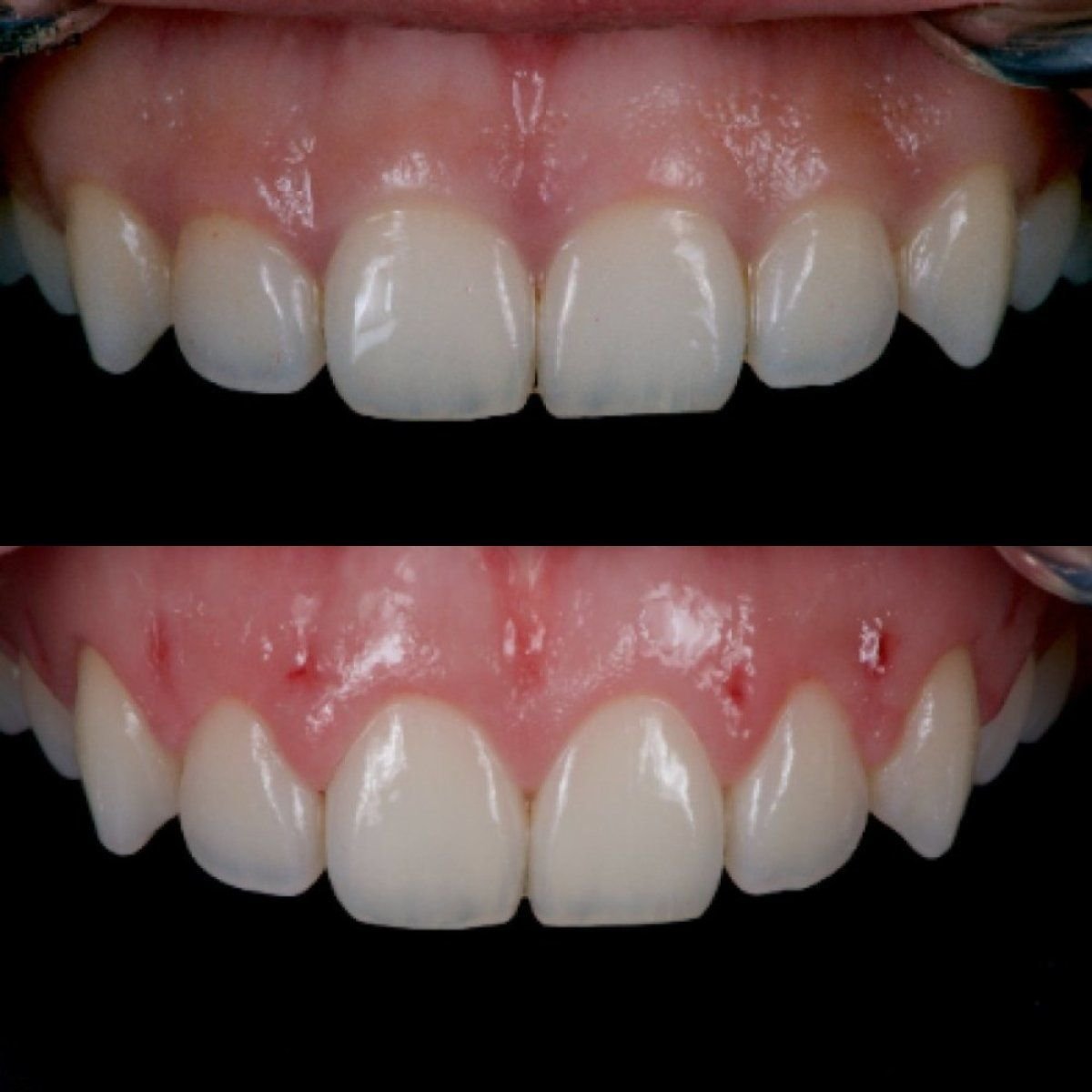
Gum surgery: Before & after photos
View all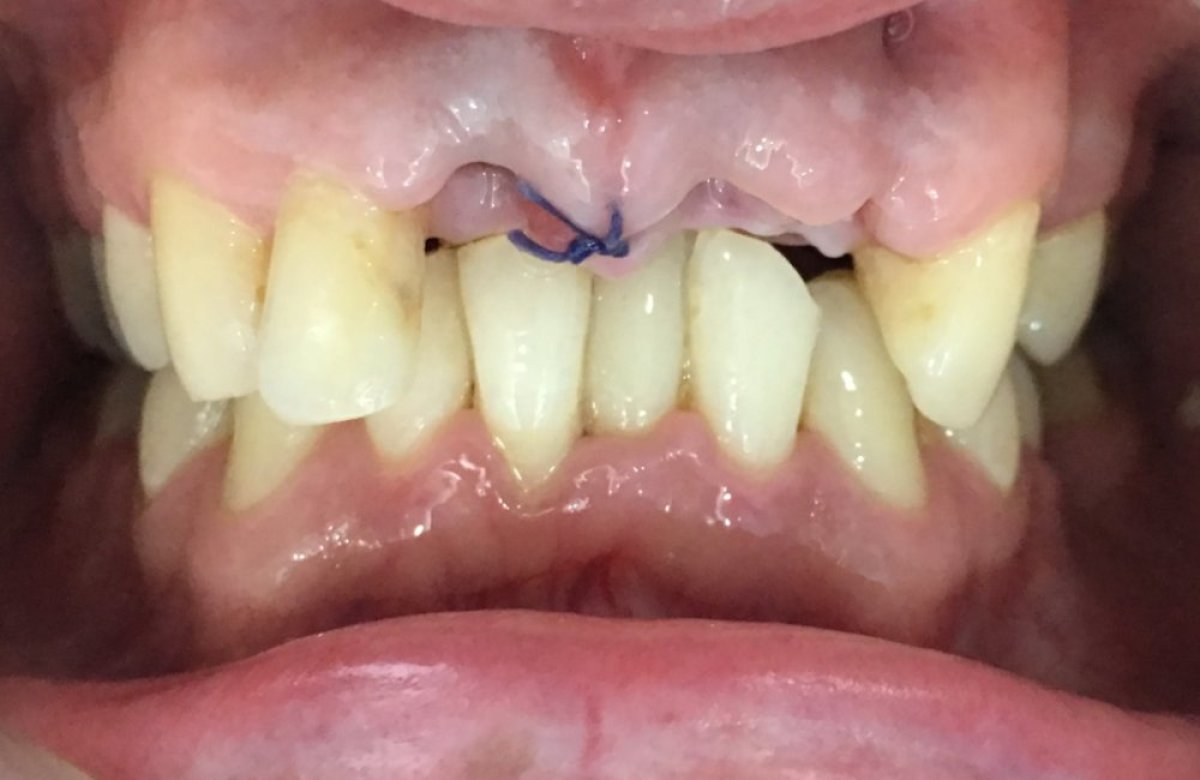
Share this content
Updated: 09/11/2026
Authored by
 Anna Leonova
Head of Content Marketing Team
A certified medical writer with 10+ years of experience, developed Bookimed’s trusted content, backed by a Master’s in Philology and medical expert interviews worldwide.
Reviewed by Bookimed Medical Advisor

Fahad Mawlood
Medical Editor & Data Scientist
General practitioner. Winner of 4 scientific awards. Served in Western Asia. Former Team Leader of a medical team supporting Arabic-speaking patients. Now responsible for data processing and medical content accuracy.
Fahad Mawlood LinkedinThis page may feature information relating to various medical conditions, treatments, and healthcare services available in different countries. Please be advised that the content is provided for informational purposes only and should not be construed as medical advice or guidance. Please consult with your doctor or a qualified medical professional before starting or changing medical treatment.
FAQ about Gum surgery in Thailand
These FAQs come from real patients seeking medical assistance through Bookimed. Answers are given by experienced medical coordinators and trusted clinic representatives.
How do I ensure a dental clinic in Thailand is of high quality for gum surgery?
To find high-quality gum surgery in Thailand, prioritise clinics with Joint Commission International (JCI) accreditation. It is essential to choose specialists like periodontists or oral surgeons. Verify that providers use global brands like Straumann. They must also maintain rigorous sterilisation standards in dedicated surgical theatres.
- Specialist qualifications: Confirm the operator is a qualified periodontist or oral surgeon.
- International accreditation: Look for JCI or ISO 9001:2015 certification for safety.
- Premium materials: Check the clinic uses reputable brands such as Straumann or Ivoclar.
- Sterilisation protocols: High-quality centres use hospital-grade surgical rooms and sealed instruments.
Bookimed Expert Insight: Many clinics offer gum surgery. However, the most reliable results come from multi-specialty hospitals like Bumrungrad. Dedicated dental hospitals like BIDH are also excellent options. These facilities handle over 10,000 patients annually and follow strict hospital-based protocols. For complex cases, consider a surgeon like Dr. Pawak Tungthangthum at Kitcha Dental Clinic. He holds specialised American training, providing an extra layer of clinical security.
Patient Consensus: Patients recommend requesting a full written treatment plan. You should also ask for before-and-after photos for your specific procedure. They emphasise leaving a buffer in your Thailand holiday schedule for recovery visits before flying home.
How should I manage my medical records following gum surgery in Thailand?
Successful long-term outcomes for gum surgery in Thailand depend on getting detailed medical documentation before departure. Request a full patient file from JCI accredited clinics like Bumrungrad International Hospital or Bangkok International Dental Center.
- Surgical reports: These should detail procedures like gum grafting or recession plastic for Australian dentists.
- Imaging files: Secure digital copies of pre-op and post-op X-rays on a USB drive.
- Medication logs: Document all local anaesthetics and prescribed antibiotics. Include dosages and brand names.
- Material specifications: Note specific brands, such as Straumann materials, for any grafts or implants used.
Bookimed Expert Insight: Thai dental hospitals like BIDH often use electronic health records that generate English summaries automatically. This is a major advantage for Australians. It removes the need for translations and helps local dentists receive clinical data quickly.
Patient Consensus: Patients recommend photographing every document and medication box as a backup on your phone. This makes the first follow-up appointment in Australia run much smoother.
What types of gum surgery procedures are available to Australians visiting Thailand?
Australians can access gum surgery in Thailand. This includes gum grafting, gingivectomy, and apically repositioned flap surgery. Specialist clinics in Bangkok and Chiang Mai provide cosmetic recontouring and therapeutic treatments for periodontitis. They use materials from global brands like Straumann and Ivoclar Vivadent.
- Gum grafting: Protects exposed roots and treats recession from $400 per area.
- Gingivectomy: Removes excess tissue to fix gummy smiles, costing $150 to $700.
- Flap surgery: Lifts gum tissue for deep cleaning to treat periodontal disease.
- Apically repositioned flap: Reduces deep pockets by repositioning the gum line for better health.
- Crown lengthening: Exposes more tooth surface, often required before fitting crowns or veneers.
Bookimed Expert Insight: Many cosmetic clinics offer gingivectomies for A$60. However, persistent gum disease requires a periodontist. Top-tier hospitals like Bumrungrad International or BIDH provide hospital-grade sterilisation that general clinics may not match. This is crucial for invasive flap surgeries where infection risks are higher.
Patient Consensus: Australians often receive detailed treatment plans. These plans separate cosmetic reshaping from essential disease therapy. Patients suggest confirming if the surgeon is a qualified periodontist rather than a general dentist in Thailand.
What is the typical timeline for an Australian patient travelling to Thailand for gum surgery?
Australian patients should plan for a 10 to 14 day stay in Thailand for gum surgery. This timeframe allows for consultations, the procedure, and post-operative reviews. Complex cases like grafting require more stabilisation than simple gingivectomies before flying back home.
- Initial consultation: Imaging and treatment planning usually happen within 48 hours of arrival.
- Surgical window: Procedures like grafting or flap surgery occur on day 2 or 3.
- Initial recovery: Patients must rest locally for 7 days to manage swelling.
- Suture removal: Surgeons typically remove stitches and conduct final checks on day 12.
Bookimed Expert Insight: While a single 2-week trip is standard, Bookimed data shows some cases benefit from a two-trip model. Splitting treatment with a 4 to 6 month healing gap can improve graft stability. Centres like Bangkok International Dental Center (BIDC) often coordinate these timelines with Australian GPs.
Patient Consensus: Patients in Thailand recommend adding a 3-day buffer for unexpected swelling. Most suggest avoiding long-haul flights for 10 days to prevent pain from cabin pressure.
What are the standard post-operative instructions for gum surgery recovery after returning to Australia?
Standard recovery after gum surgery in Thailand involves protecting the site and managing swelling. Patients must also maintain strict oral hygiene upon returning to Australia. Most patients resume normal activities within 72 hours. However, soft food diets and gentle rinsing are required for up to 2 weeks for proper healing.
- Immediate care: Apply ice packs for 48 hours and keep the head elevated to minimise swelling.
- Dietary limits: Eat soft foods like yoghurt or eggs and avoid spicy or crunchy items.
- Hygiene routine: Use prescribed antiseptic mouthwash instead of brushing the surgical site for 14 days.
- Activity restriction: Avoid heavy lifting or vigorous exercise for the first 3 days after surgery.
- Lifestyle adjustment: Cease smoking or vaping for 72+ hours to prevent infection and delayed healing.
Bookimed Expert Insight: Thai clinics like Bangkok International Dental Center (BIDC) often use dissolvable sutures for international patients. This removes the need for a follow-up appointment in Australia just to pull threads. However, patients should still book a local GP or dentist check-up. This confirms the graft has integrated perfectly after the flight.
Patient Consensus: Patients in Thailand recommend following the written discharge instructions exactly. This helps avoid bleeding or infection during the first week. Many found that bringing these documents to their Australian dentist made follow-up care much smoother.