3 Best Foraminotomy Clinics in Thailand — AUD Prices


Medically reviewed by
Ali Zirh
How Much Does Foraminotomy Cost in Thailand in AUD?
Foraminotomy in Thailand typically costs from AUD $6,700 / ฿153,000 to AUD $12,600 / ฿289,000. Prices depend on the surgical technique used and the number of vertebral levels treated. Standard inclusions often cover surgeon fees, anaesthetic, diagnostic imaging, and monitoring during a short hospital stay.
- Microscopic approach: typically adds a 20–30% premium for high-magnification surgery.
- Bangkok facilities: packages often run 15–20% higher than clinics in regional cities.
- Kyphoplasty: AUD $8,200 / ฿187,000 to AUD $11,100 / ฿255,000 for minimally invasive vertebral fracture repair.
- Robotic-assisted surgery: increases baseline costs due to the use of advanced precision technology.
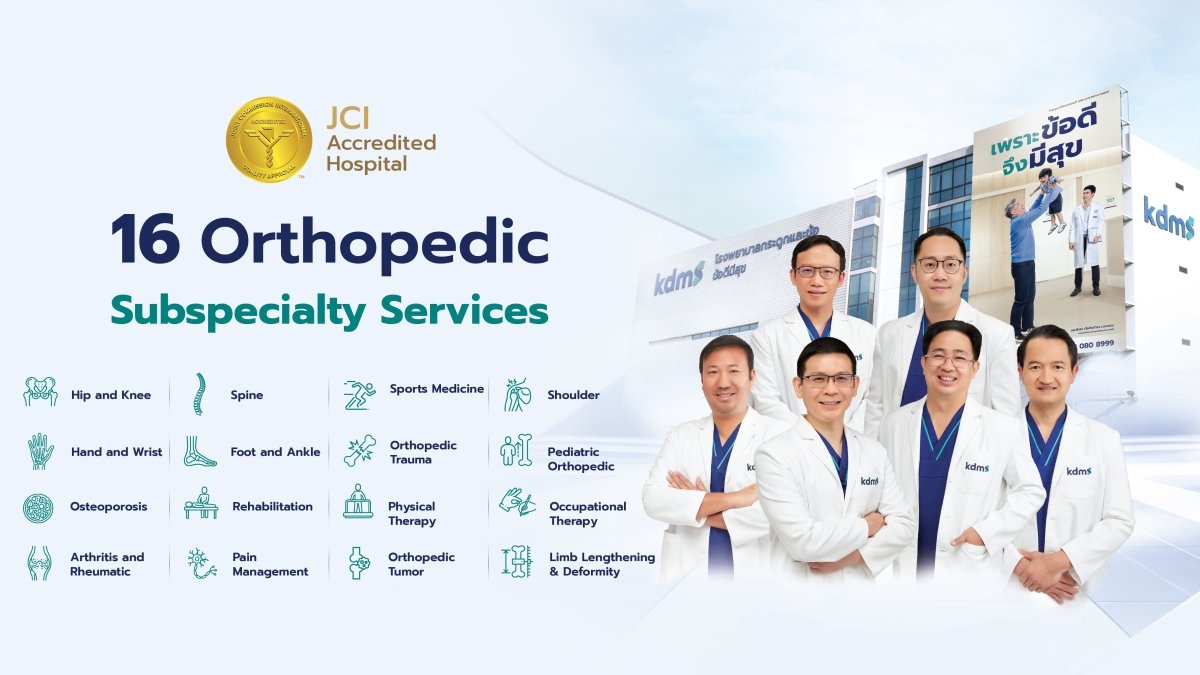
Bookimed Expert Insight: Choosing a dedicated spinal facility provides high value for Australian patients. KDMS Specialized Orthopedic Hospital is a pioneering facility focused exclusively on musculoskeletal conditions. This specialised focus often ensures highly experienced personnel. Meanwhile, Bumrungrad International Hospital treats over 500,000 international patients annually. It holds JCI accreditation and GHA (Global Healthcare Accreditation). These certifications confirm the clinic manages international patient needs effectively.
| Thailand | Turkey | |
|---|---|---|
| Foraminotomy | ≈ AUD $6,700 / ฿153,000 | from AUD $8,900 / ฿204,000 |
| Kyphoplasty | ≈ AUD $8,200 / ฿187,000 | from AUD $13,400 / ฿306,000 |
Your Benefits and Guarantees with Bookimed
Transparent Prices & Flexible Installments
No hidden fees – just official clinic prices. Pay at the clinic for Foraminotomy upon arrival and use a flexible instalment plan if needed.
Verified Clinics & Doctors Only
Bookimed is committed to your safety. We only work with medical institutions that maintain high international standards in Foraminotomy and have the necessary licenses to serve international patients worldwide.
Free 24/7 Assistance
Bookimed offers free expert assistance. A personal medical coordinator supports you before, during, and after your treatment, solving any issues. You're never alone on your Foraminotomy journey.

Your personal Bookimed medical coordinator
- Supports you at every stage
- Helps choose the right clinic and doctor
- Ensures quick and convenient access to information
Best Foraminotomy Clinics in Thailand for Australians: 3 Verified Options and AUD Prices









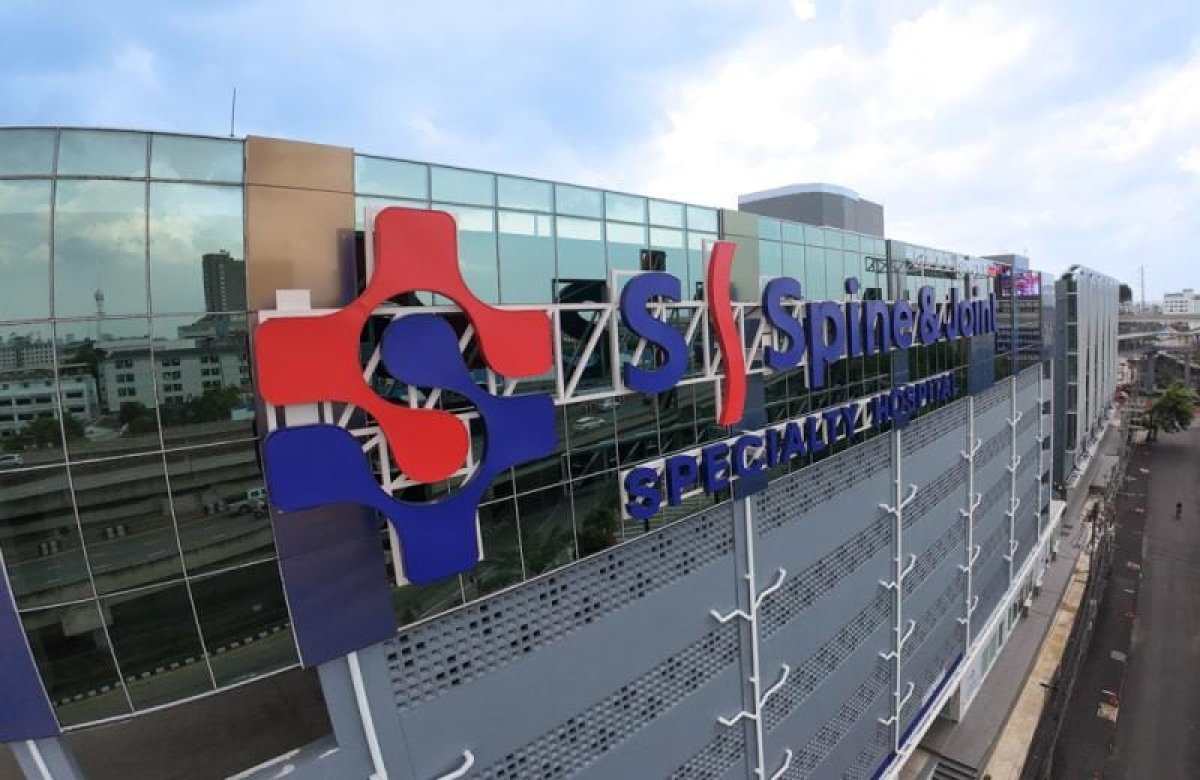
S Spine and Joint Hospital
Foraminotomy Overview in Thailand
- Bookimed deposit: $200 or €200.
- Clinic deposit: Pay a set percentage in advance.
Our Doctors
View all Doctors
Peerapong Montriwiwatchai
Dr. Peerapong Montriwiwatchai is an Assistant Professor of Neurosurgery at Bumrungrad International Hospital. He focuses on complex spine surgery and neurological interventions. Dr. Montriwiwatchai completed a fellowship in neurological surgery at Temple University Hospital in Philadelphia. He treats patients at a facility ranked among the top 10 best hospitals globally.
- Specializes in treating scoliosis, spondylolisthesis, and spinal cord abscesses.
- Performs surgical procedures including discectomy and vertebral plastic surgery.
- Holds a diploma from the Thai Board of Neurosurgery.
- Practices at a JCI-accredited center that serves over 1 million patients annually.
Video Stories from Bookimed Patients
Reviews about Bookimed: Discover Patients' Insights
All reviews

Share this content
 Anna Leonova

FAQ about Foraminotomy in Thailand
What are the risks associated with having a foraminotomy in Thailand?
Foraminotomy in Thailand is generally safe at accredited hospitals like Bumrungrad International. These centres report infection rates between 0.22% and 0.83%. Potential risks include dural tears, transient numbness in 3% of cases, and rare nerve injury. Choosing JCI-accredited facilities and robotic techniques helps minimise these surgical complications.
- Neurological changes: Around 3% of patients experience temporary numbness or weakness after surgery.
- Dural tears: Damage to the spinal cord membrane can cause cerebrospinal fluid leaks.
- Spinal instability: Excessive bone removal might require future stabilising procedures or fusion.
- Travel-related risks: Long-haul flights soon after spine surgery increase blood clot risks.
- Follow-up gaps: Managing post-operative infections or wound issues is difficult once back home.
Bookimed Expert Insight: Top-tier Bangkok clinics like Bumrungrad International now offer telemedicine-supported follow-up. This service is vital for Australians to manage the recovery transition safely. Choosing a specialised centre like KDMS, which focuses solely on orthopaedics, further reduces infection risks.
Patient Consensus: Patients recommend securing full operative notes and imaging before flying home to Australia. Most suggest coordinating with a local GP early for a smooth transition of care.
Who is considered a good candidate for a foraminotomy procedure in Thailand?
Ideal candidates for foraminotomy in Thailand suffer from chronic radiating nerve pain. This is usually caused by foraminal stenosis, where narrowing spinal bone passages pinch nerves. Successful patients have tried conservative treatments without success. They also have confirmed imaging from MRI or CT scans proving nerve compression.
- Symptomatic relief: Candidates experience persistent limb numbness, tingling, or weakness that affects sleep.
- Failed conservative care: Patients have tried physiotherapy, medication, or spinal injections without success.
- Confirmed diagnosis: Diagnostic imaging must clearly match the physical symptoms of nerve impingement.
- General health: Ideal candidates are stable for anaesthesia and seek minimally invasive options.
Bookimed Expert Insight: Thailand offers a unique advantage with dedicated facilities like KDMS Specialized Orthopedic Hospital. These centres focus exclusively on musculoskeletal health. They combine on-site MRI diagnostics with robotic surgery assistants for high-precision decompression.
Patient Consensus: Patients travelling to Thailand value having specialists and imaging in one building. The quick transition from diagnosis to minimally invasive surgery provides significant relief for chronic nerve pain.
What is a foraminotomy procedure?
A foraminotomy is a spinal surgery that widens the foramen. This is the bony exit path for nerve roots. Surgeons remove bone spurs or disc material to relieve pressure on compressed nerves. This procedure aims to resolve radiating pain, numbness, and weakness.
- Procedure goal: Relieves nerve compression by enlarging the small passageway where nerve roots exit.
- Conditions treated: Effectively addresses spinal stenosis, herniated discs, and arthritic bone spurs (osteophytes).
- Surgical approach: Specialists use minimally invasive or robotic techniques to minimise muscle tissue disruption.
- Success rates: Clinical studies report 75% to 90% long-term success for nerve symptom relief.
Bookimed Expert Insight: While foraminotomy costs in Thailand range from $4,500 to $8,500, the facility specialisation is important. KDMS Specialized Orthopedic Hospital in Bangkok is Thailand's first hospital dedicated solely to orthopaedics. Their concentrated volume often leads to more efficient recovery compared to general multi-specialty centres.
Patient Consensus: Patients in Thailand describe the surgery as making room for the nerve. They report meaningful post-op soreness but typically recover faster than with major spinal fusions.
Where can I receive a foraminotomy in Thailand?
Foraminotomy is available at JCI-accredited hospitals in Bangkok. Options include Bumrungrad International Hospital and KDMS Specialized Orthopedic Hospital. Specialists use minimally invasive and robotic-assisted techniques to relieve nerve compression. Costs typically range from $4,500 to $8,500. This offers around 70% savings compared to Australian averages.
- Specialised orthopaedic centres: KDMS Hospital focuses solely on musculoskeletal care. They treat 1,000+ patients annually.
- Surgical technology: Surgeons at Bumrungrad International use robotic systems and digital imaging.
- Multidisciplinary spine units: Facilities like the Spine Institute offer specialised decompression through minimally invasive approaches.
- Accredited safety standards: Major clinics hold JCI or AACI accreditation for rigorous medical safety protocols.
Bookimed Expert Insight: Many general hospitals offer spine surgery. However, Bookimed data shows KDMS Hospital is Thailand's first specialised orthopedic-only facility. Choosing a dedicated centre offers access to 50+ specialists focused entirely on bone and nerve health.
Patient Consensus: Patients find large Bangkok international hospitals feel more secure than smaller clinics. They recommend sending MRI scans for a remote review before flying to Thailand. This helps confirm if you are eligible for surgery.