15 years of experience
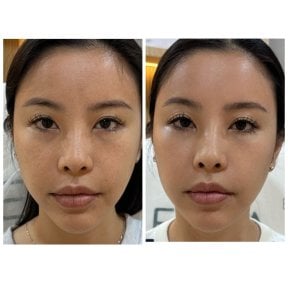
Stem Cell Facial Rejuvenation + Exosome IV Therapy
Exosome therapy in Thailand typically costs from AUD $570 / ฿13,600, depending on whether the application is for localized skin rejuvenation, hair restoration, or systemic IV longevity protocols. In Australia, patients often pay around AUD $1,700 / ฿40,800 for similar regenerative treatments, meaning those who travel to Thailand can save approximately 67%. Packages often include specialist consultations, the procedure itself, clinic transfers, and post-treatment follow-up care.
Bookimed Expert Insight: Thai clinics offer exceptional value through highly certified facilities. The Demarest Clinic in Phuket uses cell culture processes certified by the AABB, so quality standards match Australian expectations. For complex needs, Panacee Hospital Rama 2 offers stroke prevention packages around A$8,960, including advanced blood analysis. Panacee Medical Center also provides knee restoration for approximately A$11,600, featuring VIP room access and holistic healing treatments.
| Thailand | Turkey | South Korea | |
| Exosome therapy | from AUD $570 / ฿13,600 | from AUD $1,900 / ฿44,200 | from AUD $930 / ฿22,100 |
Dr. Ariyapon Lortaraprasert has performed over 10,000 operations at the JCI-accredited Navamin 9 Hospital. He specializes in hair restoration and aesthetic medicine in Bangkok. Dr. Lortaraprasert is a member of the International Society of Hair Restoration Surgery (ISHRS).
Dr Chollawat Thongthaisin leads the stem cell and regenerative medicine research team at Vega Wellness, focusing on the latest clinical applications for exosome therapy.
Dr. Suebphong Angchoun is a urologist and men’s health specialist in Bangkok. He founded and serves as the medical director of Eternity Clinic. Dr. Angchoun also directs the Urology Center at Bangkok Hospital Phuket. He specializes in minimally invasive surgery and male sexual health conditions.
Exosome therapy in Thailand is not suitable for people with active cancer, autoimmune diseases, or severe allergies. Pregnant or breastfeeding individuals and those with active infections or on strong immunosuppressants should also avoid treatment. Certified doctors review medical history for safety.
Bookimed Expert Insight: Clinics like Panacee Hospital use GMP-certified cell therapies, ensuring higher treatment quality. Many Thai regenerative medicine specialists, such as doctors at Harmony Life Center, hold international board certifications, improving patient safety. However, some providers lack regulation, so verifying clinic credentials matters.
Patient Consensus: Patients in Thailand emphasise careful health checks before therapy. Many highlight that exosome treatments need multiple sessions and won’t suit those with weak immune systems or complete hair follicle loss. Results take time and maintenance to last.
Exosome therapy in Thailand targets tissue repair, neurological recovery, hair regrowth, and sexual health. Clinics offer intravenous infusions, injections combined with stem cells, and microneedling for scalp treatment. Cooling technology ensures cell viability, improving outcomes in stroke and lung conditions.
Bookimed Expert Insight: Clinics using cooled, non-frozen exosomes deliver better cell survival and results. Stroke and pulmonary therapies stand out in Bangkok and Phuket, with leading doctors offering combined exosome and stem cell treatments. Verify exosome source and culture passage number for quality.
Patient Consensus: Patients in Thailand praise rapid stroke improvement and effective hair regrowth. Many note better lung treatment results than with stem cells alone. Clear advice: seek targeted therapies, and check clinic transparency about exosome quality before booking.
Exosome therapy in Thailand uses cell-free vesicles to signal tissue repair, offering faster, non-surgical results. Stem cell therapy involves live mesenchymal stem cells (MSCs) that replicate and regenerate tissue but requires stricter handling and may have regulatory uncertainties.
Bookimed Expert Insight: Clinics like The Demarest Clinic lead allogeneic stem cell therapy using fresh cells, while places like Plenary Wellness Center offer exosome therapy with FDA-approved tech and luxury resort stays. For hair regrowth, exosomes activate follicles faster, but stem cells better repair damaged cartilage. Multiple sessions optimise outcomes.
Patient Consensus: Patients find exosome therapy in Thailand quick and painless for hair follicle activation. Stem cell therapy appeals more for joint or tissue repair but involves fresh cell handling and travel. The combined approach often impresses with natural, lasting results.
In Thailand, exosome therapy typically requires about 5 sessions for effective hair regrowth. These treatments usually involve injections 1.5mm deep into the scalp, often combined with hair transplant surgery and supportive therapies. Monthly sessions spaced over several months are common for the best results.
Bookimed Expert Insight: Clinics in Bangkok and Phuket incorporate exosome sessions as part of a broader treatment package including hair transplant and adjunct therapies. Clinics like Harmony Life Center and Plenary Wellness Center offer expert regenerative medicine teams, making 5-session plans a consistent standard. Packaging sessions with surgery improves outcomes and reduces overall travel time.
Patient Consensus: Patients in Thailand note about 5 sessions brought real hair regrowth, especially when paired with transplant surgery. Many highlight the value of multiple follow-ups and post-op care for the best results. Australian patients appreciate bundled packages that include transfers and recovery support.
Exosome therapy in Thailand usually has no significant downtime. Most patients return to normal activities immediately or within 24–48 hours with only minor, temporary redness or swelling.
Bookimed Expert Insight: Clinics like Plenary Wellness Center in Phuket offer exosome therapy with FDA-approved technology and luxury recovery options. Many doctors, such as Dr Pichayanith Sroysuwan at Harmony Life Center, combine telehealth for follow-up and advanced English, easing aftercare for Australians.
Patient Consensus: Patients find exosome therapy downtime minimal in Thailand. Most resume daily life hours after treatment, experiencing only brief redness or small bumps that fade quickly. Many say travelling or light work the same day is doable with little fuss.
Results from exosome therapy in Thailand usually start showing around 6 to 8 weeks, with clearer benefits by 3 months. Full effects can take 6 to 12 months, with ongoing improvements beyond one year. Treatment type and patient condition affect these timelines.
Bookimed Expert Insight: Most Thai clinics, like Plenary Wellness and Harmony Life Centre, combine exosome therapy with regenerative techniques. This boosts long-term results but means visible changes take a few months, not days. Australian patients should expect gradual improvements rather than overnight transformations.
Patient Consensus: Australians report seeing small changes at about 6-8 weeks in Thailand. Many notice clearer benefits at 3 months. Ongoing improvements can continue beyond one year, making patience key.
Exosomes in Thai therapy clinics mainly come from umbilical cord mesenchymal stem cells and patient fat tissue. Some clinics use pharmaceutical-grade products imported from South Korea or the USA. However, many Thai clinics do not clearly disclose exosome sources or testing, which affects treatment safety and trust.
Bookimed Expert Insight: Thai clinics offering exosome therapy vary greatly in transparency. The Demarest Clinic in Phuket is one of few with clear AABB-certified processes. Clinics with GMP or JCI accreditation generally have safer sourcing. Australians should check these credentials closely before booking treatment in Thailand.
Patient Consensus: Patients say reliable exosome products are rare in Thailand. Many clinics don’t share product origins or testing results. Australians looking for real exosome therapy often consider countries like Mexico or India instead for clearer safety standards.