3 Best Enhanced External Counterpulsation (EECP) Clinics in Thailand — AUD Prices

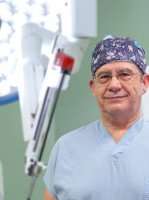
Medically reviewed by
Hasim Ustunsoy
How it works
How Much Does Enhanced External Counterpulsation (EECP) Cost in Thailand in AUD?
Enhanced External Counterpulsation (EECP) in Thailand typically costs between AUD $230 / ฿5,100 and AUD $3,300 / ฿74,800. Final rates depend on the number of sessions and whether you choose a premium regenerative hub or a standard medical clinic. Packages frequently include doctor consultations and diagnostic tests like an ECG.
- Standard EECP course: AUD $230 / ฿5,100 to AUD $3,300 / ฿74,800 for 35 one-hour sessions.
- Diagnostic bundle: Often includes an ECG and blood pressure monitoring.
- 10-session introductory pack: Costs approximately 40% less than the full intensive course.
- Medical hub surcharges: Bangkok clinics usually charge 15–20% more than regional centres.
Bookimed Expert Insight: Thai clinics offer exceptional value by bundling EECP with holistic wellness. Packages start around A$5,600 at centres like Panacee Hospital Rama 2. This includes airport transfers and consultations with specialists like Dr Vitoon Jularattanaporn. Their ISO-certified facility integrates EECP with cellular rejuvenation. This approach is often unavailable or prohibitively expensive for Australians at home. Smaller centres like PrimeCare Bkk frequently treat Australian patients seeking this specific care.
| Thailand | Turkey | |
|---|---|---|
| Enhanced External Counterpulsation (EECP) | from AUD $230 / ฿5,100 | from AUD $2,600 / ฿57,800 |
Enhanced External Counterpulsation (EECP) Packages in Thailand — November 2026 (AUD Pricing for Australians)

Best Enhanced External Counterpulsation (EECP) Clinics in Thailand for Australians: 3 Verified Options and AUD Prices
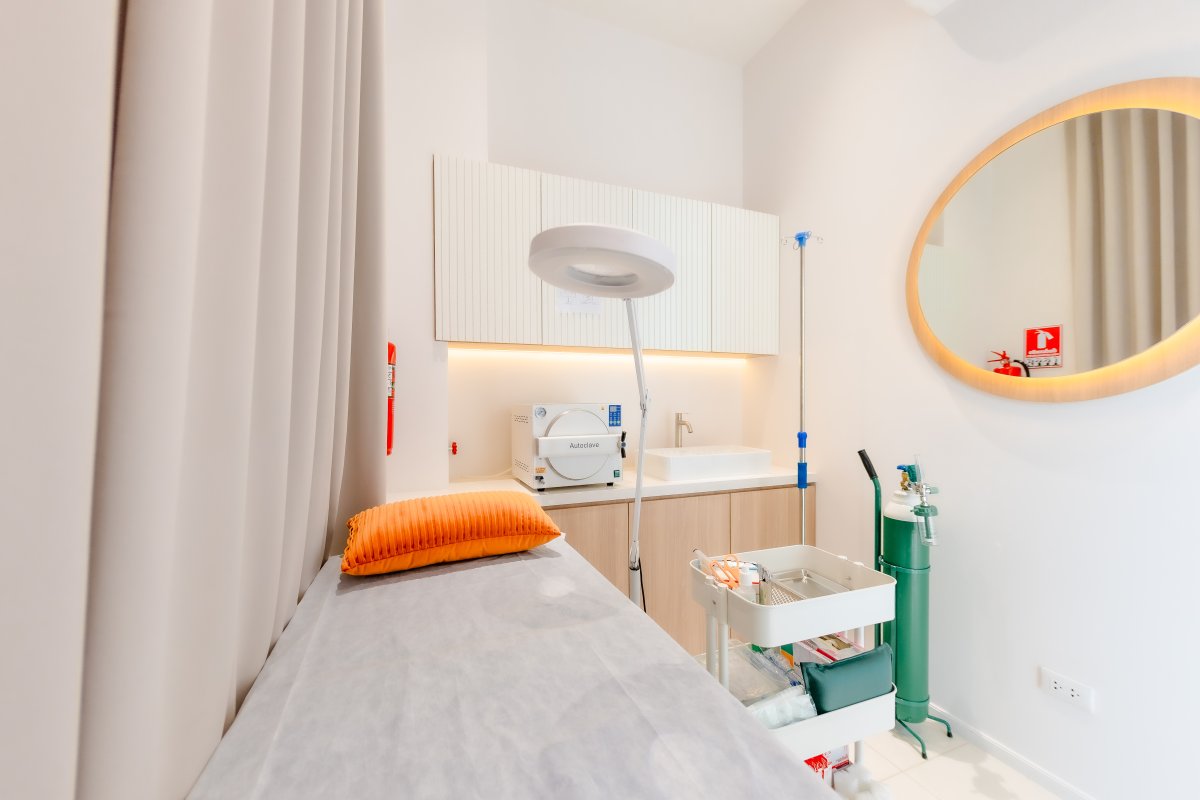
PrimeCare Bkk
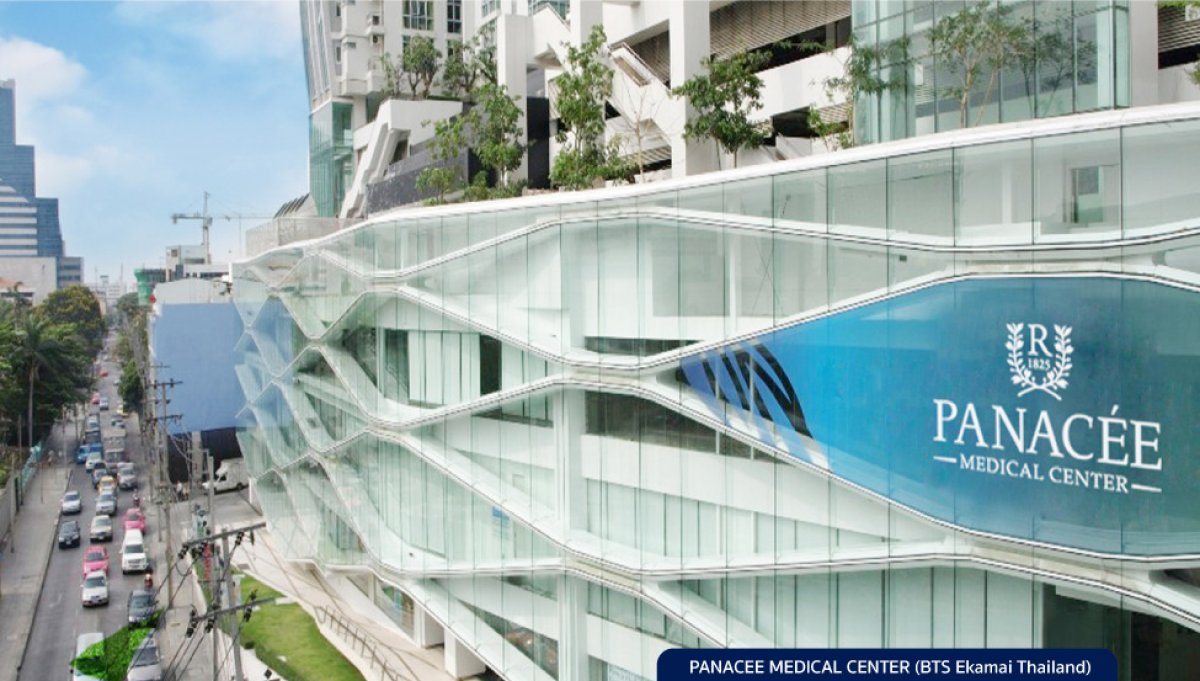
Panacee Medical Center – Stem Cell & Cell Therapy Center
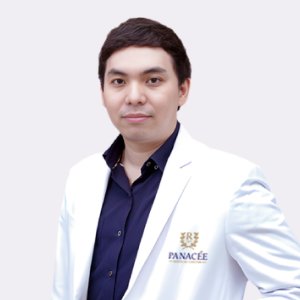
Peerapat Tangjai
Enhanced External Counterpulsation (EECP) Overview in Thailand
- Coronary stenting - from AUD $10,552The operation involves placing a small tube to open clogged heart arteries, improving blood flow for a healthier heart.
- Bookimed deposit: $200 or €200.
- Clinic deposit: Pay a set percentage in advance.
Our Doctors
View all Doctors
Piyaphon On-phoon
Specializes in Enhanced External Counterpulsation (EECP) and anti-aging therapies at Panacee Hospital Rama 2.
- Expert in Innovative Immune Therapy and High dose vitamin infusions
- Focuses on Preventine Medicine for NCDs like Hypertension and Diabetes
- Skilled in Regenerative Medicine and Chelation Therapy
Peerapat Tangjai
Dr. Peerapat Tangjai is a wellness specialist at Panacee Medical Center in Bangkok. He earned First-Class Honors and a Gold Medal from Srinakharinwirot University. Dr. Tangjai focuses on cell therapy, anti-aging, and metabolic health. He is a former manager of diabetic wound care at Thonburi Bumrungmuang Hospital.
- Holds certifications in stem cell therapies for chronic diseases from Global Stem Cell USA.
- Performs specialized IV and chelation therapies for cardiovascular wellness and detox.
- Maintains certifications in hair transplantation and integrative anti-aging medicine.
- Led research on the link between HbA1c levels and retinopathy in diabetes patients.
Video Stories from Bookimed Patients
Reviews about Bookimed: Discover Patients' Insights
All reviewsShare this content
 Anna Leonova
FAQ about Enhanced External Counterpulsation (EECP) in Thailand
What is Enhanced External Counterpulsation (EECP) therapy for heart conditions in Thailand?
Enhanced External Counterpulsation (EECP) therapy in Thailand is a non-invasive treatment for stable angina and coronary artery disease. It uses inflatable cuffs timed to the heartbeat to boost blood flow and help the heart grow natural bypass vessels. The therapy requires no hospital stay.
- Technique: External cuffs inflate in sync with heart relaxation to improve blood flow.
- Duration: Typically 35 one-hour sessions over about seven weeks.
- Settings: Offered in Bangkok centres such as Panacee Hospital Rama 2.
- Accreditation: Panacee Hospital holds ISO 9001:2015 certification for quality.
- Patient suitability: Best for those unsuitable for surgery or invasive procedures.
Bookimed Expert Insight: Thailand clinics like Panacee Hospital combine EECP with regenerative and anti-ageing medicine, enhancing cardiovascular care beyond standard treatment. Packages often include airport transfers but no accommodation, which matters for planning. Australian patients should prioritise clinics with Ministry of Health licensing and experienced therapists.
Patient Consensus: Australians note EECP helps ease angina symptoms and improve circulation. They advise checking clinic accreditation and doctor licensing in Thailand. Many stress consulting an Australian cardiologist first to ensure it is a suitable option.
Who is an ideal candidate for Enhanced External Counterpulsation (EECP) therapy in Thailand?
Ideal candidates for Enhanced External Counterpulsation (EECP) therapy in Thailand are adults with stable coronary artery disease who haven't found relief from surgery or medication. It suits those with ongoing angina, heart failure symptoms, or those unable to undergo invasive procedures due to risks.
- Refractory angina: Patients with chest pain despite angioplasty or bypass surgery.
- Ineligible for surgery: High-risk or technically unsuitable for invasive heart procedures.
- Stable heart failure: Individuals with persistent symptoms despite medical management.
- Natural bypass effect: EECP improves blood flow by dilating smaller arteries.
- Outpatient setting: Performed without overnight hospital stay, often over several weeks.
Bookimed Expert Insight: Bangkok’s Panacee Hospital Rama 2 runs a dedicated cardiovascular EECP program focused on non-surgical care. This clinic includes airport transfers in their package, easing travel logistics for Australians. Clinics offering EECP in Thailand generally provide it as an outpatient therapy with no hospital stay required.
Patient Consensus: Patients appreciate EECP in Thailand for easing chest pain and improving exercise capacity. Many find it a good alternative when surgery is not an option. Australian patients value the convenience and close monitoring by cardiologists during treatment.
Are there any risks or side effects of Enhanced External Counterpulsation (EECP) therapy in Thailand?
Enhanced External Counterpulsation (EECP) therapy in Thailand is a safe, non-invasive treatment with minimal side effects like mild skin irritation or muscle aches. Thai clinics like Panacee Hospital monitor heart rhythm closely during therapy to reduce risks further. Serious complications are rare and quickly addressed.
- Side effects: Minor skin rashes, muscle discomfort and bruising are common but usually resolve.
- Serious risks: Rare issues include shortness of breath and pressure sores needing attention.
- Safety monitoring: Real-time ECG tracking ensures cuffs sync with heartbeats accurately.
- Procedure type: Outpatient, no anaesthesia or overnight hospital stay required.
- Patient suitability: Not recommended for severe aortic regurgitation, peripheral vascular disease, or hypertension.
Bookimed Expert Insight: Thai clinics offering EECP therapy often include tours of integrated cardiovascular programmes combining regenerative medicine. Panacee Hospital in Bangkok stands out with ISO 9001:2015 quality certification and handles around 1,000 patients annually, ensuring experienced supervision and fewer complications.
Patient Consensus: Australians appreciate how effective EECP is at easing chest pain and fatigue after treatment in Thailand. They suggest checking the clinic’s real treatment results and planning for local follow-up care back home to maintain benefits.
How many sessions of Enhanced External Counterpulsation (EECP) therapy are needed in Thailand and what is the typical treatment schedule?
Enhanced External Counterpulsation (EECP) therapy in Thailand usually involves 35 sessions over seven weeks. Patients attend one-hour sessions five days a week, Monday to Friday. Some clinics offer accelerated options with two sessions daily to finish in half the time.
- Standard session count: 35 one-hour sessions per course.
- Treatment schedule: Monday to Friday, one session per day.
- Accelerated option: Two sessions daily, completing treatment in 3.5 weeks.
- Outpatient procedure: No overnight hospital stay required.
- Package examples: Panacee Hospital Rama 2 offers full 35-session programmes with doctor consultation.
Bookimed Expert Insight: Clinics like Panacee Hospital Rama 2 run dedicated cardiovascular EECP programmes with 35 sessions standard. Accelerated schedules appear less common but are an option to consider for speedy treatment completion. Packages often bundle ECG and transfers, easing logistics.
Patient Consensus: Australian patients note EECP in Thailand is mostly a daily weekday routine lasting several weeks. They appreciate the ease of outpatient treatment and recommend confirming exact session plans and inclusions beforehand for smooth scheduling.
Where can Australian patients receive Enhanced External Counterpulsation (EECP) therapy in Thailand?
Australian patients can receive Enhanced External Counterpulsation (EECP) therapy in Bangkok, Thailand, at certified centres like Panacee Hospital Rama 2 and PrimeCare Bkk. Panacee Hospital offers a dedicated cardiovascular program led by specialists using a 35-session protocol without hospital stays.
- Panacee Hospital: ISO 9001:2015-certified with anti-ageing and regenerative specialists
- EECP sessions: 35 daily treatments with ECG monitoring and doctor consultations
- PrimeCare Bkk: cardiology centre with bilingual English-Thai staff and hospital referrals
- No hospital stay required: treatment sessions last about an hour each day
- Airport-hotel-clinic transfers included in Panacee Hospital’s package
Bookimed Expert Insight: Panacee Hospital’s package stands out for combining anti-ageing and cardiovascular care. Its PhD-level doctors focus on regenerative medicine alongside EECP. PrimeCare’s bilingual team and links to major hospitals provide strong patient support for Australians seeking comprehensive cardiac care in Bangkok.
Patient Consensus: Australians highlight Thailand's well-organised medical travel system for heart therapies. Clinic coordinators help with smooth airport transfers and clear communication, easing the process. EECP programmes here are a practical alternative to local care with well-managed appointments and consultations.
What are the benefits of undergoing Enhanced External Counterpulsation (EECP) therapy in Thailand?
Enhanced External Counterpulsation (EECP) therapy in Thailand offers effective, non-invasive treatment for coronary artery disease with advanced equipment at clinics like Panacee Hospital Rama 2. It improves circulation, reduces angina, and strengthens heart function without hospital stays.
- Non-invasive outpatient procedure: no overnight hospital or hotel stay required.
- Advanced equipment: Panacee Hospital uses modern counter pulsation therapy for heart care.
- Symptom relief: reduces chest pain, fatigue, and shortness of breath for years.
- Improves blood flow: promotes new blood vessels to the heart, kidneys, and brain.
- Comprehensive care: includes ECG, doctor consultation, and airport transfers in packages.
Bookimed Expert Insight: Some Bangkok clinics like Panacee combine regenerative medicine with EECP, offering a dedicated cardiovascular programme that boosts patient outcomes. Packages often include airport transfers but exclude accommodation, so planning for hotel stays is important.
Patient Consensus: Patients say EECP in Thailand improved their energy and daily activities without surgery. Many highlight the smooth, hassle-free care and value for money compared to Australia.