 Coronary Artery Disease Treatment Package - Coronary Angiography
Advertiser Disclosure
Last updated: 01/10/2026
4 Best Coronary angiography Clinics in Thailand — AUD Prices

85 %
patient recommendation
1 K+
patients
Meet the experts behind this page

Medically reviewed by
Fahad Mawlood
Authored by Anna Leonova
Head of Content Marketing Team
1M+ patient inquiries
32+ countries
3,323 partner clinics
13,325 certified doctors
How Much Does Coronary angiography Cost in Thailand in AUD?
Coronary angiography in Thailand typically costs from AUD $4,500 / ฿102,000 to AUD $6,800 / ฿153,000. Pricing depends on the hospital tier, whether it is a day-case procedure, and the access route used. Packages in Bangkok usually include the procedure, medical fees, and essential medications during the hospital stay.
- Diagnostic angiogram: AUD $4,500 / ฿102,000 to AUD $6,800 / ฿153,000 for the standard heart catheterisation procedure.
- Transradial access: typically costs 10–15% more than femoral access but allows for faster recovery.
- CT coronary angiogram: generally costs 50–60% less than the invasive diagnostic alternative.
- Stenting (PCI) combination: usually increases the total cost by 300% or more per stent.
Bookimed Expert Insight: Choosing a specialist with high procedural volumes offers the best value for complex cardiac diagnostics. Dr. Sarunyoo Suttipongkeat has performed over 37,000 procedures, providing immense clinical expertise. While premium hubs like Bumrungrad are popular, ISO-certified facilities such as Intrarat Hospital offer rapid, accurate diagnoses. Many Thai cardiologists, including Dr. Ratanapunt Incharoensakdi, have 40+ years of experience and international training.
Data verified by Bookimed as of November 2026, based on patient requests and official quotes from 73 clinics worldwide. Median costs are based on real invoices (2025–2026) and updated monthly. Actual prices may vary.
Your Benefits and Guarantees with Bookimed
Transparent Prices & Flexible Installments
No hidden fees – just official clinic prices. Pay at the clinic for Coronary angiography upon arrival and use a flexible instalment plan if needed.
Verified Clinics & Doctors Only
Bookimed is committed to your safety. We only work with medical institutions that maintain high international standards in Coronary angiography and have the necessary licenses to serve international patients worldwide.
Free 24/7 Assistance
Bookimed offers free expert assistance. A personal medical coordinator supports you before, during, and after your treatment, solving any issues. You're never alone on your Coronary angiography journey.

Why we?
Your personal Bookimed medical coordinator
- Supports you at every stage
- Helps choose the right clinic and doctor
- Ensures quick and convenient access to information
Coronary angiography Packages in Thailand — November 2026 (AUD Pricing for Australians)
Coronary Artery Disease Treatment Package - Coronary Angiography Coronary Angiography + Coronary Angioplasty (CAG+PCI)

Best Coronary angiography Clinics in Thailand for Australians: 4 Verified Options and AUD Prices

Intrarat Hospital
Thailand, Bangkok
Sarunyoo Suttipongkeat
16 years of experience

Clinic is certified : 

Advertisement, details in Ranking Policy
Panacee Hospital Rama 2 - Integrative Chronic Disease & Regenerative CenterPanacee Hospital Rama 2 - Integrative Chronic Disease & Regenerative Center
Thailand, Bangkok
Ohm Sudchumphae
14 years of experience

Clinic is certified : 
Coronary angiography Overview in Thailand
Takeaways
Related procedures & Costs
How it works
Benefits
Payment
patients recommend -
85%
Requests processed - 951
Bookimed fees - $0
Types of Coronary angiography
- Coronary angiography - from AUD $4,508This procedure visualizes heart arteries, spotting blockages via a dye and X-rays, allowing precise, targeted treatments.
How to find best solution with Bookimed?
Check available options for your case on the website.
Request a free consultation with documents assessment.
Download your medical records and describe your needs.
Receive customised free treatment plans with prices and details.
Compare them and finalise your choice.
Agree the date for your upcoming clinic visit.
Arrive and pay at the clinic. Bookimed fees are $0 for you.
From start to finish, the Bookimed coordinator keeps you safe and comfortable during your medical journey.
100% free, non-binding assessment of your medical records
Instant FREE personalised treatment plans to make the right choice
Expert guidance in choosing the perfect Pediatric Cardiac Surgery doctor and clinic.
Special packages and exclusive prices for our patients.
24/7 Bookimed guidance at no cost, guaranteed.
Hassle-free translation of your medical documents for clinics.
Bookimed's multilingual team ensures comfortable communication.
Bookimed ensures transparent and secure payments. Patients pay at the clinic with no additional fees.
Available Payment Methods:
How to Secure an Appointment:
1. Documents: Passport and ticket copies.
or
2. Deposit:
- Bookimed deposit: $200 or €200.
- Clinic deposit: Pay a set percentage in advance.
For more information, see our Payment Policy
Our Trusted Doctors for Australian Patients
View all Doctors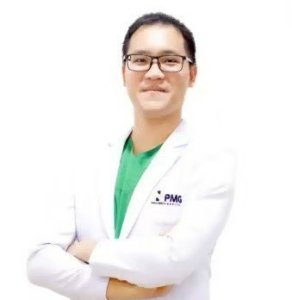
verified
sarunyoo Suttipongkeat
17 years of experience • 37977+ treatments performed
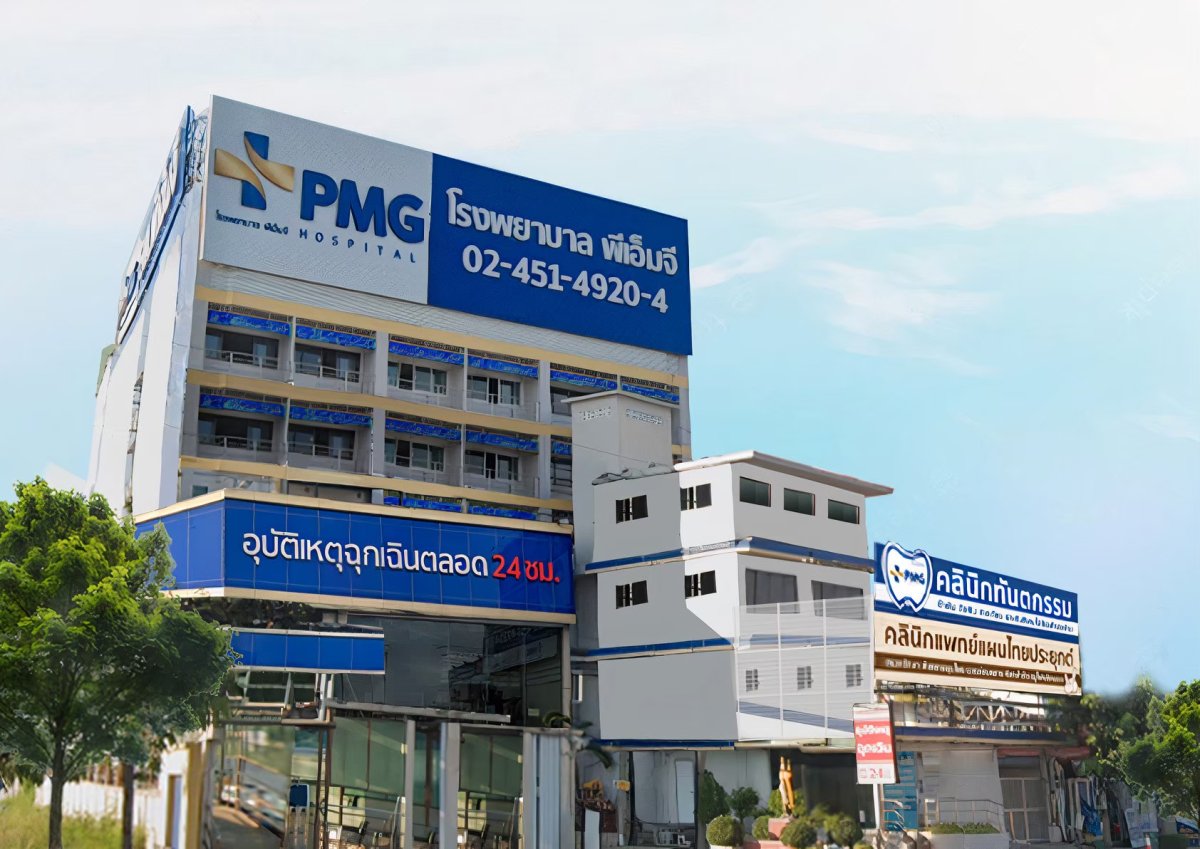
Dr. Sarunyoo Suttipongkeat is an interventional cardiologist at PMG Hospital in Bangkok. He earned his medical degree with Second Class Honors from Mahidol University. Dr. Suttipongkeat has performed over 37,900 procedures during his career. He specializes in treating coronary artery disease, arrhythmia, and chronic heart failure.
- Performs coronary angiography and carotid angioplasty with stenting.
- Provides stem cell therapy for heart disease patients.
- Completed a clinical fellowship in interventional cardiology at Siriraj Hospital.
- Works at PMG Hospital, a GHA-accredited facility for international patients.
verified
Nivit Karla
18 years of experience
Dr. Karla specializes in coronary angiography, trained at Rajavithi Hospital's Cardiology Intervention Department.
- Over 18 years of experience in cardiology
- Fellowship-trained in interventional cardiology procedures
- Practices at PrimeCare Bkk facility
verified
Dr Sanatcha Archupnakul
14 years of experience
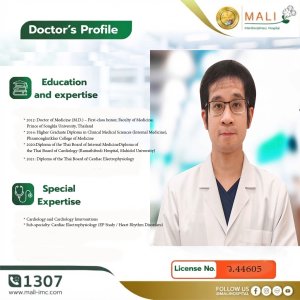
Dr. Sanatcha Apakuppakul, M.D., is a cardiologist trained in internal medicine. Areas of expertise include cardiac electrophysiology (EP), general cardiology, and interventional cardiology.
Accreditations and training: Doctor of Medicine (First Class Honors), Faculty of Medicine, Prince of Songkla University. Graduate Diploma in Clinical Sciences (Internal Medicine), Phramongkutklao College of Medicine. Diploma from the Thai Board of Internal Medicine. Diplomas from the Thai Sub-Board of Cardiology and the Thai Sub-Board of Cardiac Electrophysiology (Faculty of Medicine Ramathibodi Hospital, Mahidol University).

verified
Kochamarj Boonyarattaphun
25 years of experience
Dr. Kochamarj Boonyarattaphun is a cardiologist at PMG Hospital in Bangkok. He specializes in transradial coronary angioplasty and coronary catheterization. He uses intravascular optical coherence tomography (OCT) to assess coronary lesions. This imaging technology allows for precise evaluation within the blood vessels.
- Completed a Fellowship in Cardiology at Khon Kaen University.
- Treats coronary artery disease using balloon angioplasty and stenting.
- Performs diagnostic procedures including echocardiography and coronary angiography.
- Works at PMG Hospital, a facility accredited by the Global Healthcare Accreditation Program.
Video Stories from Bookimed Patients
Bonnie
The surgeon was extremely knowledgeable, and I am very pleased with the international service provided.
Procedure: Open heart surgery
Randolph
Stay strong, stay informed, and never underestimate the power of cutting-edge treatments and a solid support system.
Procedure: Radioembolization for liver cancer
Share this content
Updated: 01/10/2026
Authored by
 Anna Leonova
Head of Content Marketing Team
A certified medical writer with 10+ years of experience, developed Bookimed’s trusted content, backed by a Master’s in Philology and medical expert interviews worldwide.
Reviewed by Bookimed Medical Advisor

Fahad Mawlood
Medical Editor & Data Scientist
General practitioner. Winner of 4 scientific awards. Served in Western Asia. Former Team Leader of a medical team supporting Arabic-speaking patients. Now responsible for data processing and medical content accuracy.
Fahad Mawlood LinkedinThis page may feature information relating to various medical conditions, treatments, and healthcare services available in different countries. Please be advised that the content is provided for informational purposes only and should not be construed as medical advice or guidance. Please consult with your doctor or a qualified medical professional before starting or changing medical treatment.
FAQ about Coronary angiography in Thailand
These FAQs come from real patients seeking medical assistance through Bookimed. Answers are given by experienced medical coordinators and trusted clinic representatives.
What preparation is required before arriving at the hospital?
Before arriving at a Thai hospital for coronary angiography, patients must confirm their fasting timeline and prepare medical documentation. Essential preparation includes pausing specific medications like blood thinners, maintaining strict hygiene without skin products, and ensuring a responsible adult is available for transport and post-procedure support at their accommodation.
- Fasting requirements: Stop all food and water 6–8 hours before the procedure to ensure safety.
- Medication review: Confirm with specialists like Dr Nivit Karla at PrimeCare Bkk about pausing blood thinners.
- Clinical records: Bring printed ECGs, echocardiograms, and a full list of current medication original packaging.
- Personal hygiene: Shower without applying lotions, perfumes, or powders that can interfere with equipment.
- Post-op support: Arrange for an escort since sedation prevents driving for at least 24 hours.
Bookimed Expert Insight: Thai cardiology centres like PrimeCare Bkk frequently treat Australian patients and often use transradial access through the wrist. This approach usually allows for a shorter hospital stay than groin access. Patients should confirm which technique their specialist prefers, as this changes how they prepare their clothing and mobility plans.
Patient Consensus: Confirm all fasting rules in writing before flying to Thailand to avoid any arrival confusion. Carrying digital and printed medical files ensures the cardiology team has a complete history of previous heart tests.
Can I take my regular medications on the morning of the procedure?
Most patients can take essential maintenance medications with a tiny sip of water on the morning of a coronary angiography. You must confirm your specific plan with the cardiology team. Blood thinners, diabetes drugs, and certain supplements often require adjustment or pauses days before the procedure.
- Essential medications: Beta-blockers and heart medications typically continue to prevent blood pressure spikes.
- Blood thinners: Anticoagulants like warfarin or apixaban often stop 3-5 days before surgery.
- Diabetes management: Metformin and insulin usually require adjustment while fasting to prevent hypoglycemia.
- Natural supplements: Fish oil and herbal remedies must stop 7 days before treatment.
Bookimed Expert Insight: Thai cardiology centres like PrimeCare Bkk frequently treat Australian patients and understand Medicare-driven travel. Data shows senior specialists like Dr Ratanapunt Incharoensakdi have performed 5,000+ procedures. This high volume means they have refined intake protocols that account for brand name differences between AU and Thai PBS listings.
Patient Consensus: Carry original Australian prescription packets to show the Thai medical team. Follow the written fasting instructions for coronary angiography exactly as provided by your cardiologist. Written confirmation of your medication schedule ensures safety during catheterisation in Thailand.
Which hospitals in Thailand are best for this procedure?
Bangkok is the primary hub for coronary angiography in Thailand, with highly rated hospitals like Intrarat Hospital and PrimeCare Bkk offering advanced cardiac services. These facilities use modern techniques like intravascular optical coherence tomography and transradial access to provide accurate heart screenings with shorter recovery times.
- Clinic infrastructure: Intrarat Hospital holds ISO 9001:2015 certification for its 26 specialised medical departments.
- Clinical experience: PrimeCare Bkk maintains a strong relationship with several international heart specialists.
- Expert care: Surgeons like Dr Ratanapunt Incharoensakdi have performed over 5,000 successful cardiac procedures.
- English support: PrimeCare Bkk frequently assists Australian patients, ensuring smooth communication throughout the process.
Bookimed Expert Insight: While diagnostic angiography is the primary goal, choosing a hospital with a 24-hour catheterisation lab is vital. Surgeons in Bangkok often perform transradial coronary angioplasty immediately if they find a blockage. This combined approach saves costs and avoids separate surgical sessions.
Patient Consensus: Major private hospital groups in Bangkok provide excellent safety and ICU support. Patients recommend checking that nursing and billing staff speak English before arriving for a procedure.
How is a coronary angiogram performed?
A coronary angiogram in Thailand is a minimally invasive diagnostic procedure performed in a cardiac catheterisation theatre. Surgeons guide a thin catheter through an artery to the heart, injecting contrast dye to map blood flow and blockages using real-time X-ray imaging.
- Artery access: Specialists primarily use the transradial approach via the wrist for faster recovery.
- Navigation process: Surgeons thread the catheter to the aorta while the patient remains awake.
- Imaging stage: Contrast dye highlights narrowings, often followed by OCT for detailed vessel assessment.
- Concurrent treatment: Cardiologists may perform angioplasty or stenting immediately if they find significant blockages.
- Post-op care: Patients remain under observation for several hours before typically being discharged same-day.
Bookimed Expert Insight: While many think of this as a major event, Thai cardiac centres like Intrarat Hospital manage high volumes, allowing specialists to refine the transradial technique. Senior cardiologists such as Dr Ratanapunt Incharoensakdi have performed over 5,000 procedures, which specifically reduces the risk of access-site complications and speeds up patient mobility.
Patient Consensus: Expect a brief warm sensation during the dye injection and pressure rather than sharp pain. The wrist approach makes moving around after the procedure much easier in Thailand.
Is the procedure painful?
Coronary angiography in Thailand is technically painless as medical teams use local anaesthesia to numb the access site. Patients remain awake but do not feel sharp pain when the catheter moves through the arteries. Most experience only pressure or a temporary warm flushing sensation during the dye injection.
- Anaesthesia type: Specialists apply local anaesthetic to the wrist or groin to block pain signals.
- Access techniques: Surgeons like Dr. Ratanapunt Incharoensakdi often use transradial access for easier recovery.
- Sensory experience: Patients typically feel mild pressure or a dull ache during the catheter insertion.
- Post-procedure care: Staff provide anti-inflammatories to manage minor tenderness or bruising at the site.
Bookimed Expert Insight: Thai cardiac centres like Intrarat Hospital treat over 100,000 patients annually with high efficiency. Experienced surgeons like Dr. Sarunyoo Suttipongkeat have performed over 37,000 procedures. This high volume often leads to faster, smoother techniques that further reduce patient discomfort.
Patient Consensus: Many found the initial stinging from the numbing needle was the only brief pain. Thai medical teams often provide sedation to help with pre-procedure anxiety.
How long do I need to stay in Thailand after the test?
Patients typically stay in Thailand for 3 to 5 days after a coronary angiography. This window allows specialists to monitor the access site for bleeding and ensures results are reviewed before travel. Most diagnostic procedures involve a short hospital observation followed by a few days of rest.
- Hospital discharge: Diagnostic angiograms often allow for same-day or next-day discharge based on recovery.
- Clinical observation: Standard observation periods range from 4 to 24 hours depending on heart stability.
- Access site care: Wrist access usually permits faster movement compared to groin-based catheter insertion.
- Travel buffer: Aeromedical guidelines suggest waiting a few days to avoid pressure-related complications during flights.
Bookimed Expert Insight: Senior cardiologists like Dr Ratanapunt Incharoensakdi have performed 5,000+ procedures, highlighting a massive volume of experience in Bangkok. This level of expertise often means smoother procedures, but patients should still book flexible return flights. If a diagnostic test reveals a blockage, an immediate stenting intervention could extend the stay by several days.
Patient Consensus: Travellers in Thailand recommend building in several buffer days to handle repeat blood tests or follow-up ECGs. Expect some fatigue and soreness, so avoid planning any active sightseeing or long tours immediately after the procedure.