To homepage

How it works

We've transformed the clinic search process, making it simple, fast, and personal.
Answer a few questionsTake a short quiz to share your Chin implant goals.
Get personalised offers3 clinics, handpicked based on your answers, provide tailored treatment plans and quotes.
Choose the best optionCompare offers and choose the clinic that suits you best.
You can also browse all 17 clinics below.
1M+ patient inquiries
32+ countries
3,323 partner clinics
13,325 certified doctors

How Much Does Chin implant Cost in Thailand in AUD?

Chin implant surgery in Thailand typically costs from AUD $1,500 / ฿34,000 to AUD $2,200 / ฿51,000. Total pricing depends on the implant material, the clinic's prestige, and the specific surgical technique. Standard packages often include the implant, local anaesthesia, and post-operative medications.

  • Standard silicone implants: usually the most budget-friendly option for basic augmentation.
  • Premium silicone materials: can increase the base procedure cost by 15-20% for improved softness.
  • Porous Medpor implants: typically cost 40-60% more than standard silicone due to better tissue integration.
  • Sliding genioplasty: this bone-repositioning technique often costs over double the price of standard implants.

Bookimed Expert Insight: Choosing a comprehensive surgical hospital provides superior value over smaller boutique clinics. Institutions like Yanhee International Hospital or Bumrungrad International Hospital are accredited by JCI, ensuring international safety standards. Some Australian patients choose surgeons like Dr Chokchai Amornsawadwattana, who has trained in Melbourne. These larger centres often feature on-site ICU beds and full-time anaesthesiologists for increased safety.
Data verified by Bookimed as of November 2026, based on patient requests and official quotes from 180 clinics worldwide. Median costs are based on real invoices (2025–2026) and updated monthly. Actual prices may vary.

Best Chin implant Clinics in Thailand for Australians: 17 Verified Options and AUD Prices

You’ve viewed 9 of 17 clinics

Chin implant Overview in Thailand

Takeaways
Related procedures & Costs
How it works
Benefits
Payment
patients recommend -
85%
Surgery Time - 2 hours
Stay in the country - 8 days
Rehabilitation - 14 days
Anaesthesia - General anaesthesia
Requests processed - 110449
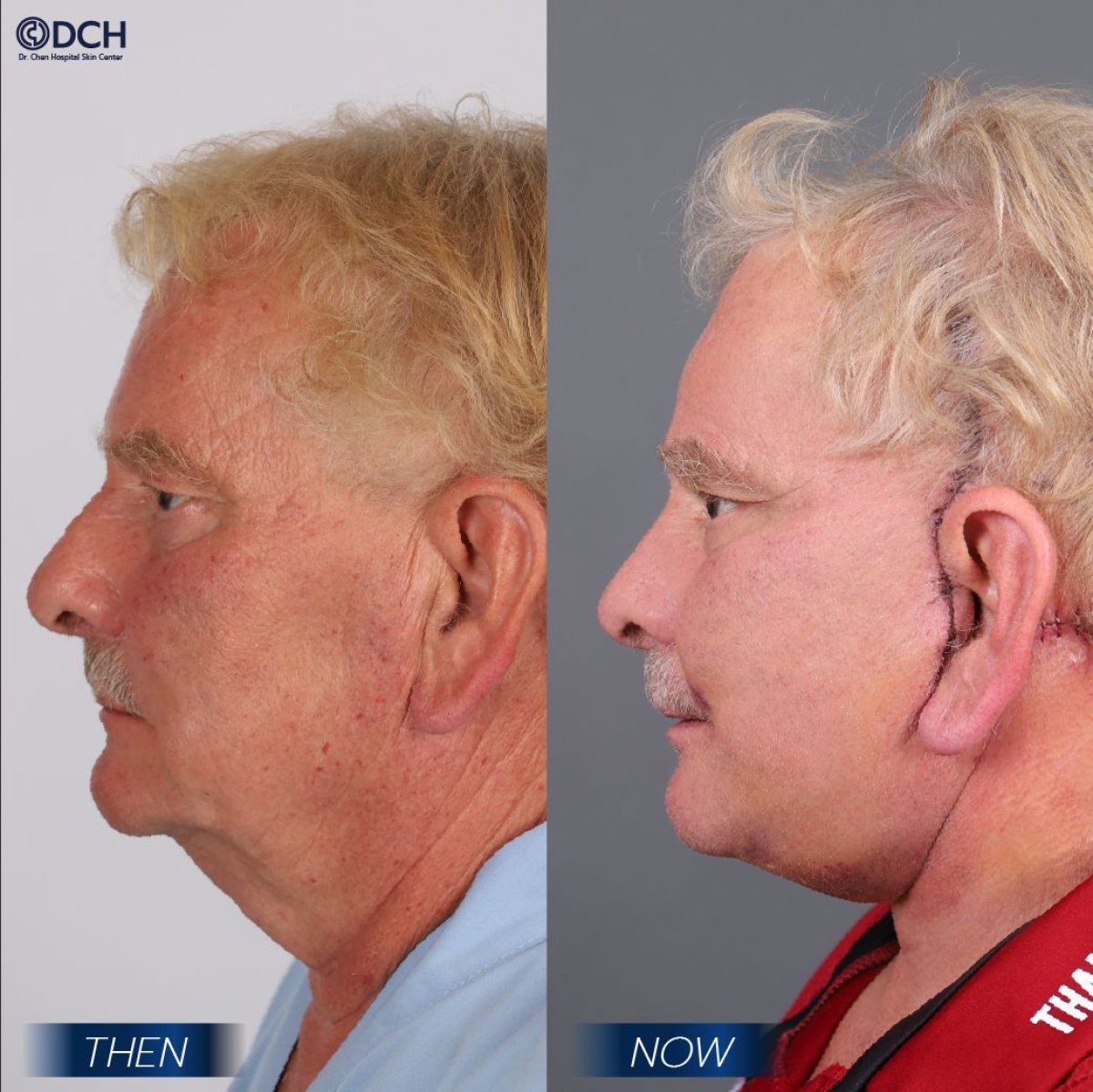
Before & after photos - 4
Bookimed fees - $0

Our Trusted Doctors for Australian Patients

View all Doctors
Saran Wannachamras
verified

Saran Wannachamras

31 years of experience

Dr. Saran Wannachamras specializes in chin implants with decades of expertise in plastic and reconstructive surgery at Wansiri Hospital.

  • Trained in Plastic and Reconstructive Surgery at East Virginia School (EVIMS), USA
  • Member of the Society of Plastic Aesthetic Surgeons of Thailand
  • Part of the International Academy of Cosmetic Surgery
  • Extensive experience in aesthetic procedures including rhinoplasty and breast surgery
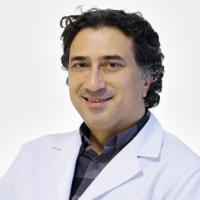
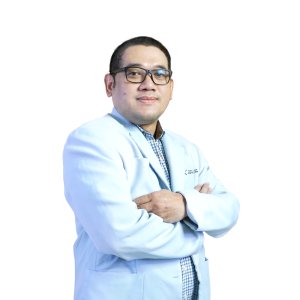
Tanongsak Panyawirunroj
verified

Tanongsak Panyawirunroj

28 years of experience • 15000+ treatments performed

Dr. Tanongsak specializes in facial cosmetic procedures at Asia Cosmetic Hospital, with international training in Rhinoplasty and Facial Surgery.
  • Trained in Craniofacial and Cosmetic Surgery at Chang Gung Memorial Hospital
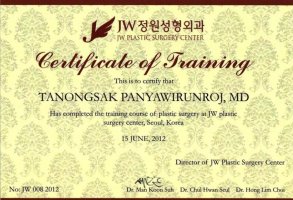
  • Certified in Rhinoplasty and Facial Surgery from JW Hospital, Seoul
  • Over 28 years of experience in plastic surgery
  • Founder and Managing Director of ASIA Clinic
Thanakom Laisakul
verified

Thanakom Laisakul

28 years of experience

Dr. Thanakom Laisakul is a plastic surgeon at Asia Cosmetic Hospital in Bangkok. He is a member of the International Society of Aesthetic Plastic Surgery (ISAPS). He specializes in breast aesthetics, body contouring, and facial rejuvenation. Dr. Laisakul trained at Mahidol University and held a leadership role at Trang Hospital.

  • Holds board certifications in both plastic and general surgery from the Thai Medical Council.
  • Completed surgical training and fellowships across the USA, South Korea, Australia, and Singapore.
  • Treats patients at JCI-accredited Asia Cosmetic Hospital, which has a 0% complication rate.
  • Performs Vaser liposuction, mommy makeovers, and complex breast implant revisions.

Video Stories from Bookimed Patients

Oksana
I have fulfilled my dream. Finally, I won't cry about my hair anymore.
Procedure: Hair transplant
Roman
Just 4 days in Turkey, and I'm already home with a new hair.
Procedure: Hair transplant
Jamie
Bookimed made this medical trip a breeze.
Procedure: Sex reassignment surgery

Reviews about Bookimed: Discover Patients' Insights

All reviews
Anonymous • Chin implant
Israel
3 June 2026
Verified review.
The entire staff and my surgeon were great and supportive through it all
My biggest fear was the recovery, and it’s certainly a process that requires patience. The entire staff and my surgeon were great and supportive through it all. Right now, my chin is still very swollen, so I can't properly see the projection from the large, solid silicone implant yet. The numbness has been the hardest part. My lower lip feels slightly numb, which has made eating the biggest challenge so far. It’s a strange sensation. Despite the temporary side effects of healing, the care I received was solid and I would recommend this clinic.
Really loved the stuff they were very cute and helpful
Anonymous • Chin implant
19 Oct 2026
Verified review.
The clinic itself was faultless on hygiene, and my surgeon was great
Our Bookimed coordinator was excellent and empathetic; we knew what we wanted and appreciated not being pressured into extra treatments. This was so important. In contrast, the hospital's own liaison made numerous mistakes with transport and pricing, which could be stressful if you aren’t proactive in communication. The clinic itself was faultless on hygiene, and my surgeon was great. I received a silicone chin implant through an external incision under the chin. The aftercare guide was clear, but I was left wondering what to expect a month from now. My advice is to confirm your exact costs to avoid potential overcharges.
Our coordinator was excellent, empathise and timely in his responses. He came back to us with answers within 24 hours each time. He sent links to our surgeons and the hospital site. We knew we could rely open him, not be dismissed, nor ( other companies), be hard sold and pressured to buy add-on extra surgical treatments. This last point is so important. We’d done our research, knew what we wanted and didn’t appreciate other companies we considered telling us we need full face lifts and pressure if us to spend double our budget.
The hospital we chose ( Bookimed gives you choices) is beautifully presented and prizes itself on hygiene standards which were faultless in my experience. The liaison contact from the hospital, not associated with Bookimed made numerous mistakes and omissions related to transport pick ups, surgery procedures and pricing overcharging). If you’re not ahead in communication, anticipating questions, and have your exact costs due, then you may find the experience stressful.

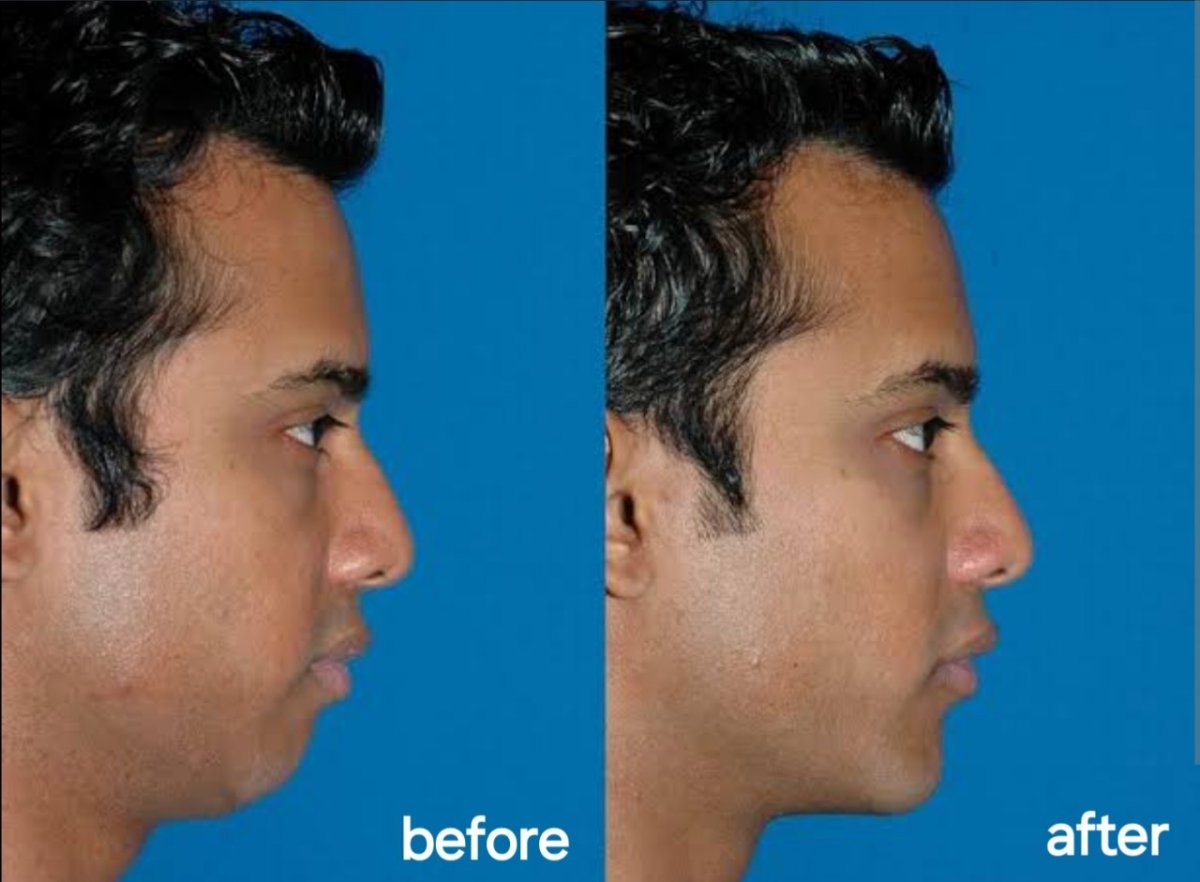
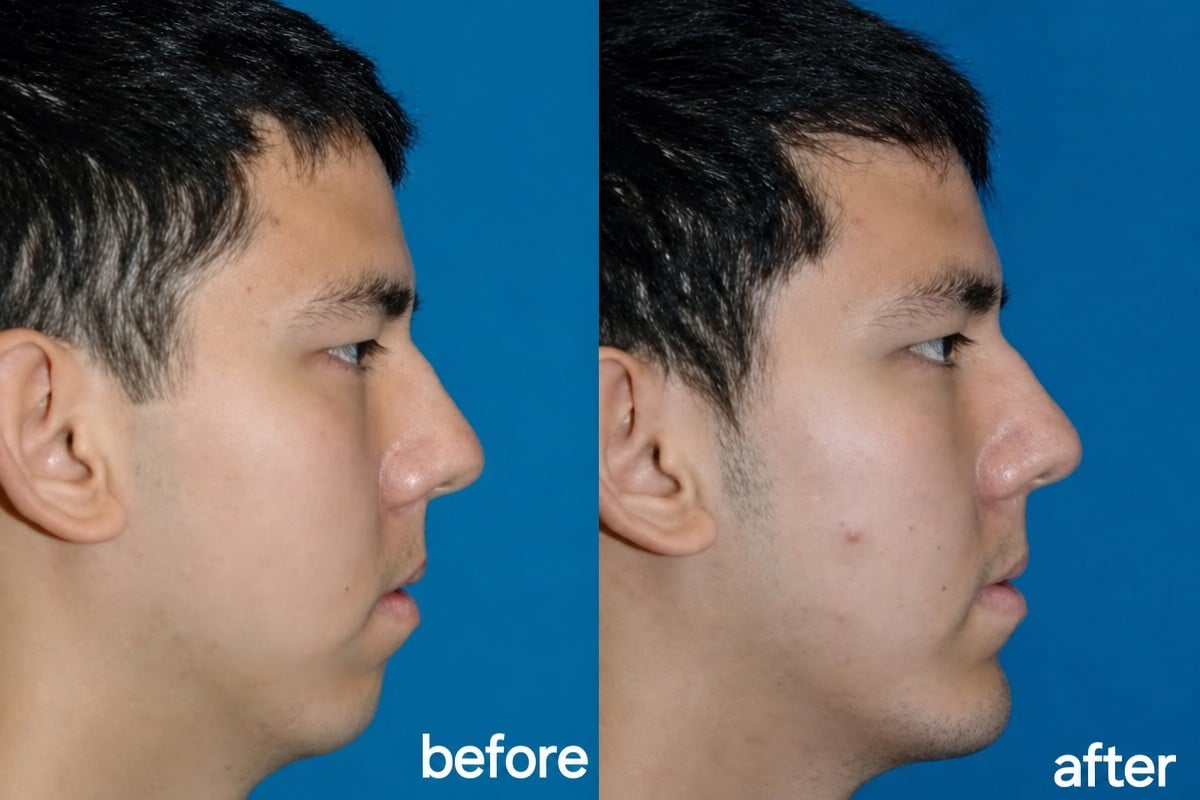
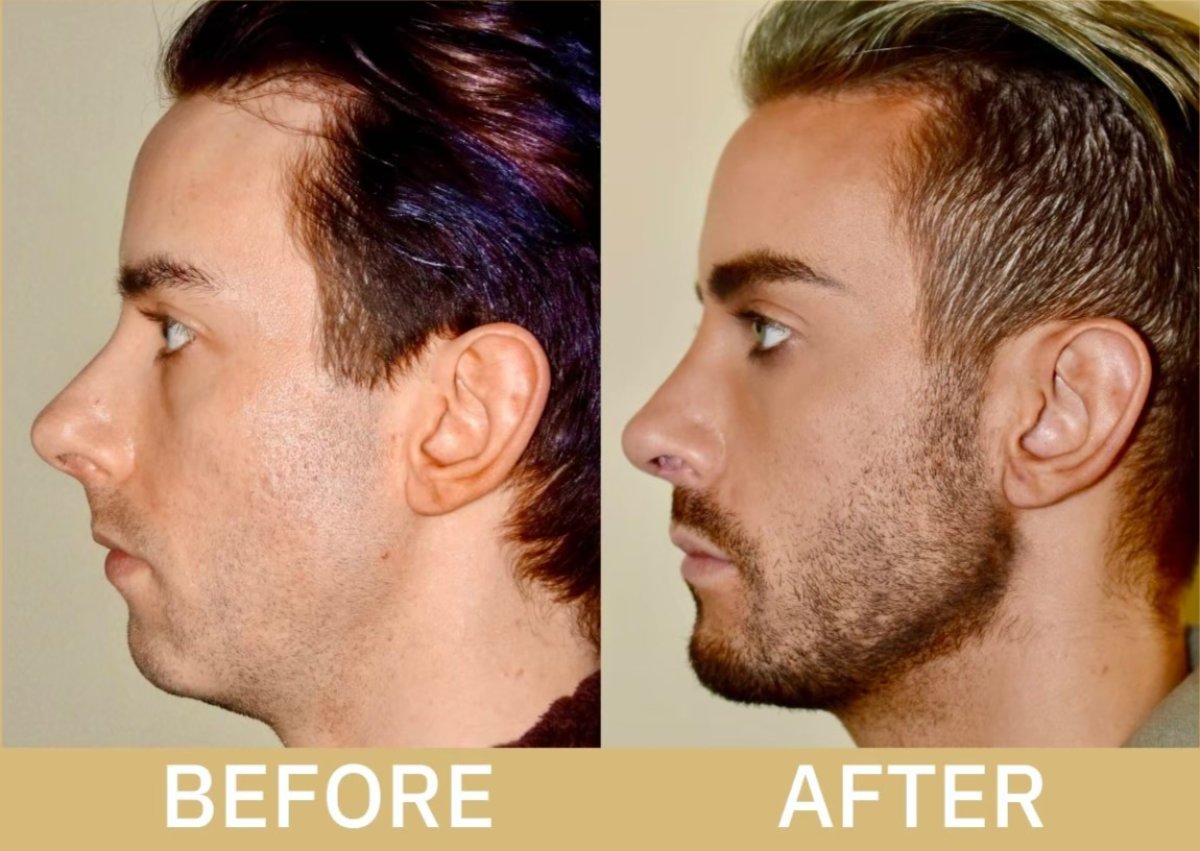
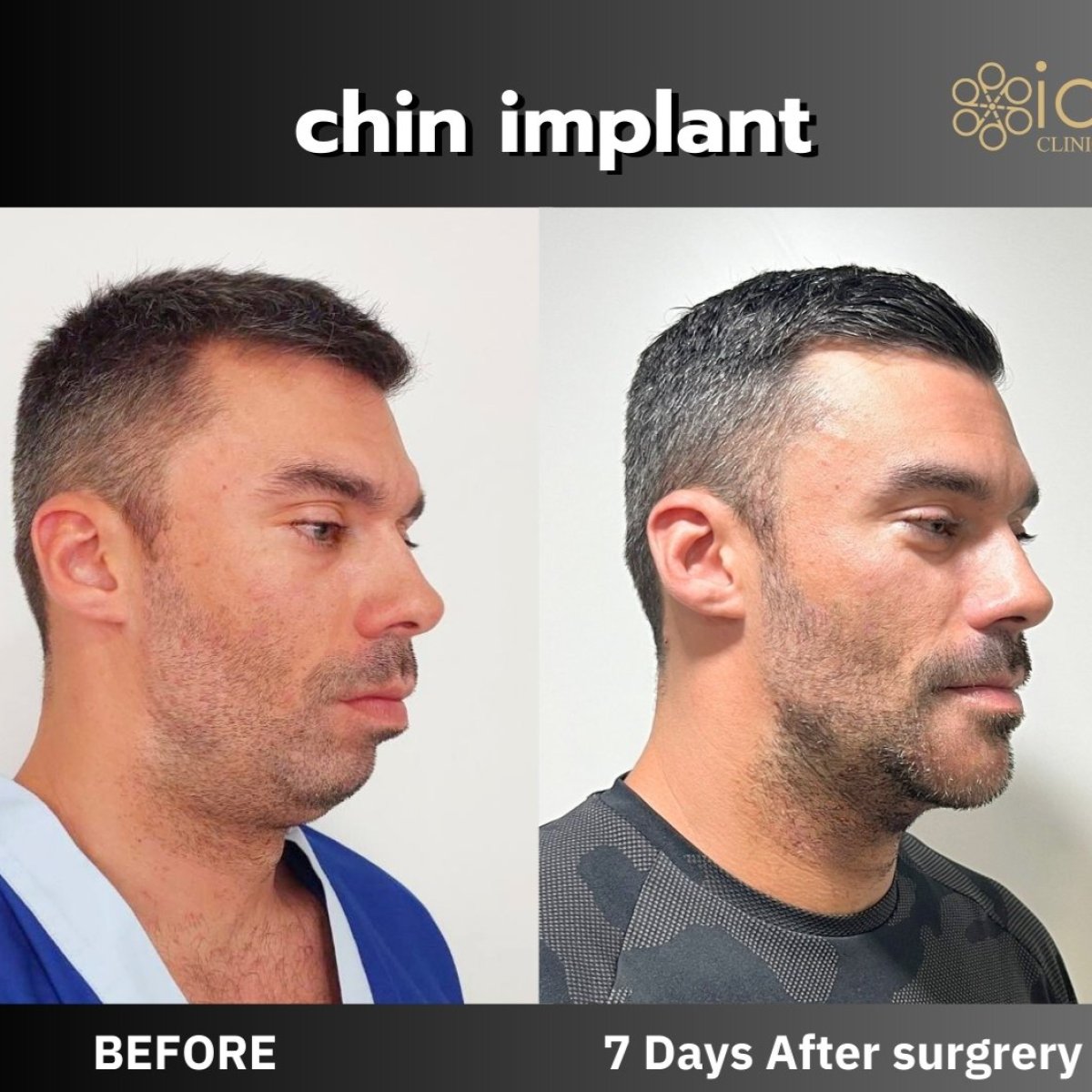
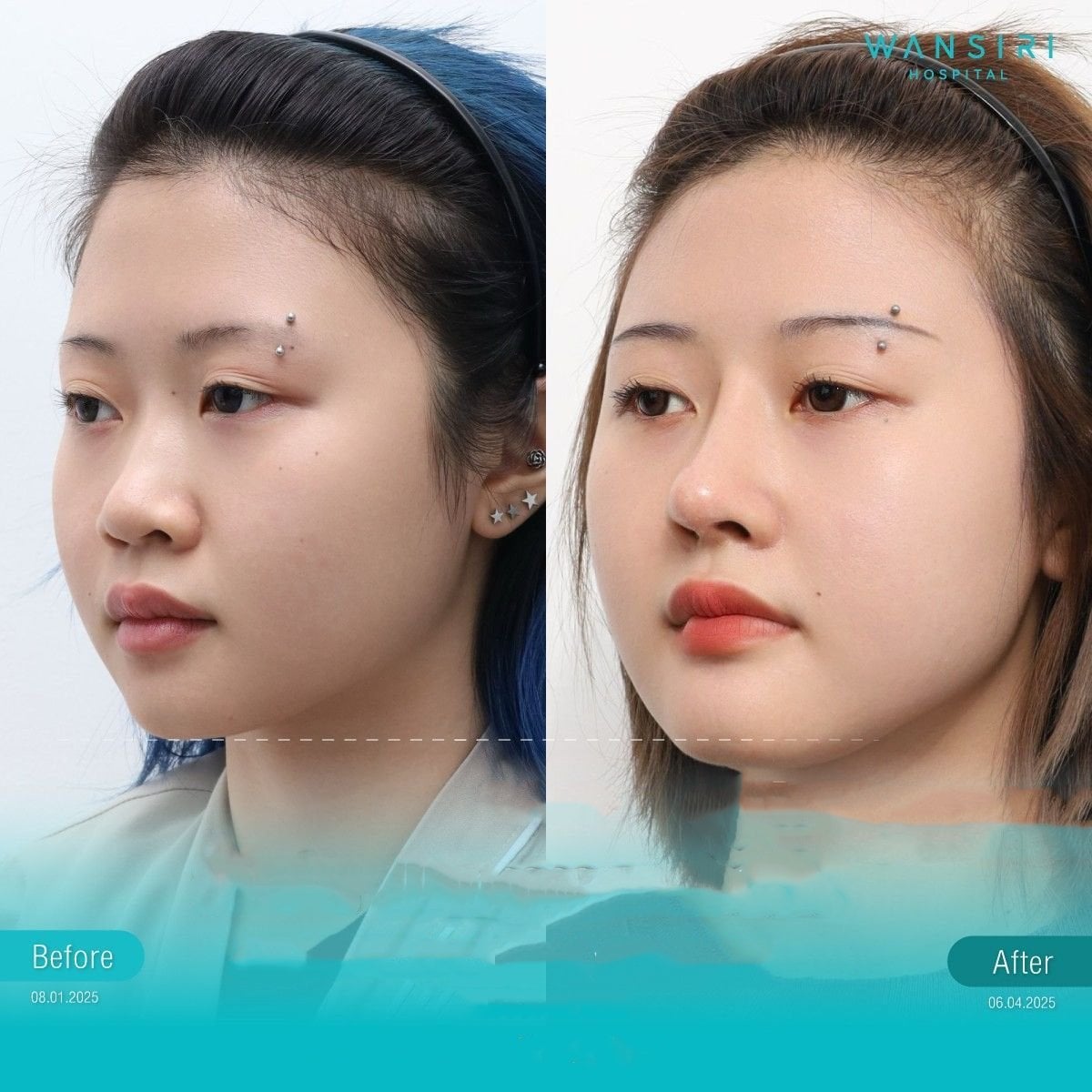
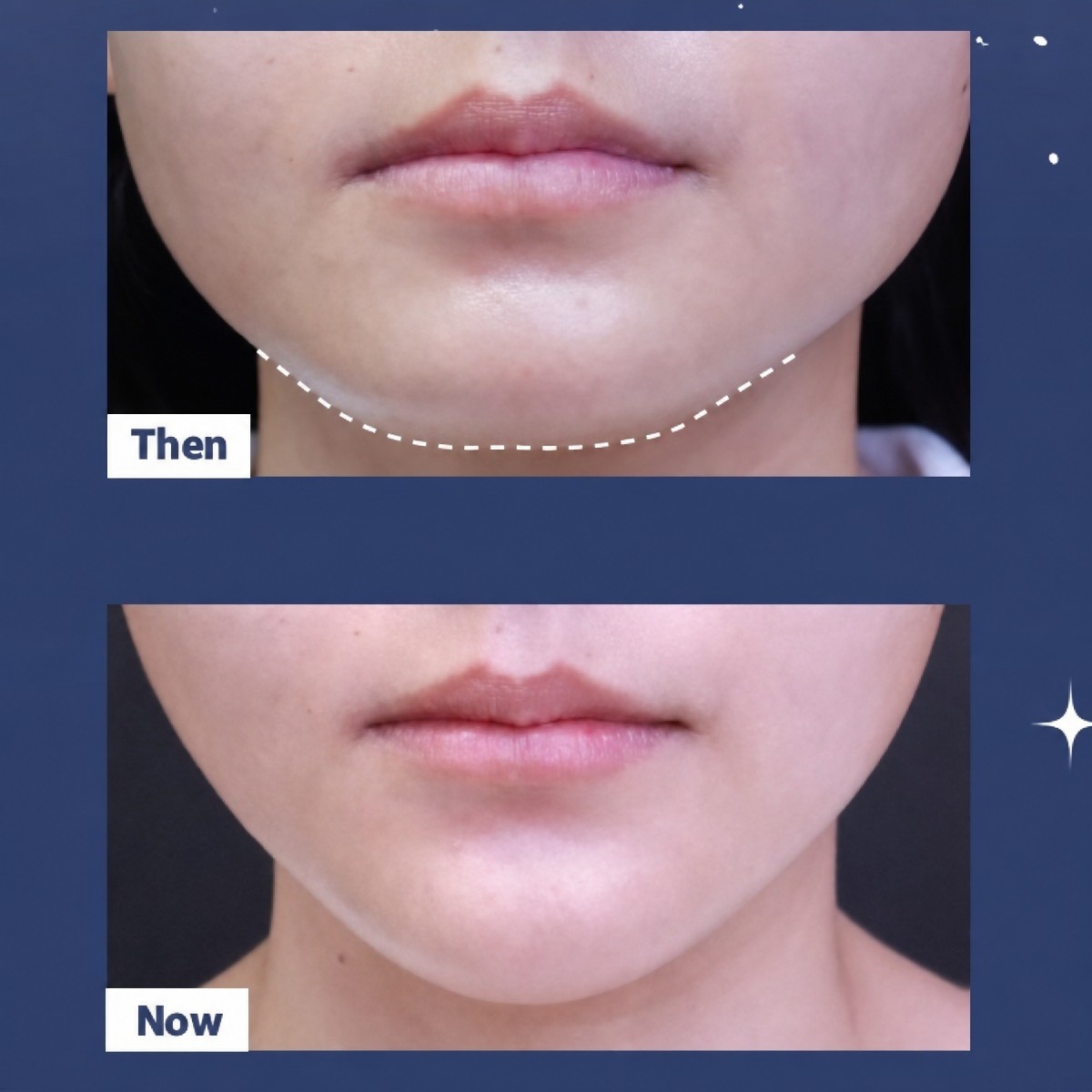
Chin implant: Before & after photos

View all

Share this content

Updated: 18/11/2026
Authored by
Anna LeonovaAnna Leonova
Anna Leonova
Head of Content Marketing Team
A certified medical writer with 10+ years of experience, developed Bookimed’s trusted content, backed by a Master’s in Philology and medical expert interviews worldwide.
Ergin Er
Ergin Er
Plastic surgeon
Dr. Ergin Er is a plastic, reconstructive and aesthetic surgeon who has performed more than 10,000 aesthetic procedures. He is a multiple award winner at Turkish National Congresses of Plastic Surgery and completed advanced training at Baylor College of Medicine in Houston, Texas.
This page may feature information relating to various medical conditions, treatments, and healthcare services available in different countries. Please be advised that the content is provided for informational purposes only and should not be construed as medical advice or guidance. Please consult with your doctor or a qualified medical professional before starting or changing medical treatment.

FAQ about Chin implant in Thailand

These FAQs come from real patients seeking medical assistance through Bookimed. Answers are given by experienced medical coordinators and trusted clinic representatives.

How can I verify the safety and qualifications of a surgeon or hospital for a chin implant in Thailand?

To verify a surgeon for a chin implant in Thailand, check their registration with the Medical Council of Thailand. You should also confirm their board certification in plastic surgery. Facilities like Yanhee International Hospital or Bumrungrad International Hospital maintain Joint Commission International (JCI) accreditation. This indicates high standards for sterile operating theatres and emergency response.

  • Medical registration: Confirm the surgeon’s full name and licence number via the Medical Council of Thailand Practitioner Register.
  • Board certification: Verify membership with the Society of Plastic and Reconstructive Surgeons of Thailand (ThPRS). This confirms they have specialty training.
  • Facility standards: Prioritise hospitals with JCI or ISO certifications for hospital-grade sterilisation and anaesthesia support.
  • International fellowships: Look for surgeons like Dr Tanongsak Panyawirunroj who have completed craniofacial training in Taiwan or Korea.
  • Case volume: Choose providers like Asia Cosmetic Hospital, which reports a 0% complication rate across 15,000+ procedures.

Bookimed Expert Insight: Thai surgeons often hold international fellowships that signal high safety standards for facial bone work. Dr Chokchai Amornsawadwattana at Yanhee International Hospital trained at the Royal Melbourne Hospital in Australia. This cross-border training is a major advantage for Australians. It means the surgeon understands Western aesthetic standards and clinical protocols.

Patient Consensus: Patients in Thailand recommend confirming the surgeon's medical number directly with the hospital. Avoiding relying solely on clinic websites. They suggest requesting a written plan that includes the implant brand and a schedule for follow-up care.

What happens if I experience medical complications regarding my chin implant after returning home to Australia?

Australian Medicare covers immediate emergency care for life-threatening complications at any public hospital. This includes severe infection or haematoma. For non-emergency issues like implant displacement or asymmetry, patients often face high out-of-pocket costs. Private clinics charge these fees because travel insurance usually excludes elective cosmetic surgery.

  • Emergency rooms: Public hospitals treat acute threats like high fever or breathing distress immediately.
  • Medicare limitations: Medicare does not cover elective corrective surgery or revision for aesthetic reasons.
  • Clinical documentation: Local surgeons require exact implant specifications and surgical reports for effective treatment.
  • Revision hurdles: Private specialists in Australia may be reluctant to perform revisions on overseas work.

Bookimed Expert Insight: Thai hospitals like Asia Cosmetic Hospital or Yanhee International Hospital hold JCI accreditation. This means they follow international sterilisation and reporting standards recognised in Australia. Many Thai surgeons, such as Dr Chokchai Amornsawadwattana, even have specific clinical training from Australian hospitals like Royal Melbourne.

How long is the recovery period for a chin implant and when is it safe to fly home from Thailand?

Most patients recover from a chin implant within 1 to 2 weeks. Internal settling takes 3 to 6 months. It is safe to fly home from Thailand 7 to 14 days after surgery. This allows surgeons at JCI-accredited clinics like Asia Cosmetic Hospital to confirm healing.

  • Initial downtime: Expect swelling, bruising, and a soft-food diet for the first 3 days.
  • Clinical clearance: Most surgeons require a final follow-up 7 to 10 days post-surgery.
  • Long-haul safety: A 7 to 14-day stay reduces risks of DVT and pressure-induced swelling.
  • Activity limits: Resume desk work after 10 days but avoid heavy lifting for 6 weeks.
  • Final results: Minor residual swelling typically disappears entirely after 3 to 6 months.

Bookimed Expert Insight: Australian patients often choose surgeons with specific international backgrounds for facial work. Dr Chokchai Amornsawadwattana at Yanhee International Hospital trained at Royal Melbourne Hospital. Dr Tanongsak Panyawirunroj has performed over 15,000+ procedures. Choosing surgeons with high volumes at hospitals serving 400,000+ annual patients reduces technical risks.

Patient Consensus: Expect significant swelling and difficulty chewing during the first few days in Thailand. Patients recommend sleeping upright to help fluid drain and staying near the clinic for 1 week.

Will I require local or general anaesthesia for a chin implant in Thailand?

Chin implant surgery in Thailand typically requires local anaesthesia with sedation for silicone implants. Surgeons prefer general anaesthesia for intensive cases, such as genioplasty involving bone reshaping. They also use it when combining the implant with procedures like rhinoplasty or facelifts.

  • Procedure duration: Simple silicone implant placement usually takes 1 to 2 hours.
  • Anaesthesia types: Local anaesthesia with sedation allows for faster recovery and less grogginess.
  • Clinical protocols: Accredited centres like Yanhee International Hospital use board-certified anaesthetists for general anaesthesia.
  • Surgical approach: Modern clinics use incisions inside the mouth to avoid visible facial scarring.

Bookimed Expert Insight: Australian patients often assume general anaesthesia is mandatory. However, Thai clinics frequently perform this as an outpatient procedure under sedation. Dr Chokchai Amornsawadwattana at Yanhee International Hospital trained at the Royal Melbourne Hospital. He follows protocols that align with Australian safety standards for both sedation and general anaesthesia.

Patient Consensus: Local anaesthesia with sedation in Thailand allows for a quicker return to the hotel. Patients report feeling more relaxed when an anaesthetist is present to monitor their comfort. Confirming the anaesthesia type during the initial quote helps avoid surprises on the day. Many find recovery from twilight sedation easier than full general anaesthesia.

Where will the surgical scar be located for a chin implant in Thailand?

Surgeons in Thailand typically place chin implant scars in one of two locations. The intraoral approach uses an incision inside the mouth for zero external scarring. Alternatively, the submental approach places a small scar within the natural crease under the chin.

  • Intraoral incision: Surgeons cut inside the lower lip. This leaves no visible marks on the face.
  • Submental incision: A 2–3 cm mark sits hidden in the natural skin fold under the chin.
  • Scar concealment: External scars are generally imperceptible once healed. They remain hidden in the chin shadow.
  • Technique selection: Specialists at clinics like Yanhee Hospital choose based on anatomy and infection risk.
  • Infection prevention: External incisions are easier to keep sterile than those located inside the mouth.

Bookimed Expert Insight: Thai clinics like Asia Cosmetic Hospital and Yanhee International Hospital often favour the submental approach. This method allows for more precision. Dr Tanongsak Panyawirunroj has performed over 15,000 procedures. He uses this technique for more accurate implant placement compared to working through the mouth.

Patient Consensus: Under-chin scars are easy to hide in the natural crease shadow. Patients suggest getting your planned technique in writing before travelling to Thailand. Intraoral options require strict oral hygiene but offer the benefit of no external marks.

What are the primary lifestyle restrictions following a chin implant procedure in Thailand?

Chin implant patients in Thailand must manage travel logistics alongside surgical recovery. One restriction is a mandatory 7-day stay in-country to monitor for complications. Patients must avoid contact and facial pressure for 6 weeks. They should also sleep with their head elevated for 2 weeks.

  • Dietary switch: Consume soft foods for 7–14 days. Avoid hard foods that require vigorous chewing.
  • Physical activity: Abstain from heavy lifting and high-impact workouts for 14–30 days.
  • Oral care: For intraoral incisions, rinse with antiseptic mouthwash after every meal for 1 week.
  • Facial rest: Limit excessive talking, yawning, or wide smiling for the initial 7 days.

Bookimed Expert Insight: Thai hospitals like Yanhee and Wansiri serve thousands of international patients annually. Dr Chokchai Amornsawadwattana at Yanhee brings expertise from his training at Royal Melbourne Hospital. Many patients overlook that heavy luggage is a clinical risk. Arrange airport assistance to avoid lifting bags for 3 weeks.

Patient Consensus: Patients in Thailand recommend sleeping upright to manage swelling and taking small bites. Most found the 7-day local stay essential for comfort before the long flight home.

What types of implant materials are available for chin implant surgery in Thailand?

Thai clinics primarily use medical-grade solid silicone, porous polyethylene (Medpor), and custom PEEK polymers for chin augmentation. These materials are available at JCI-accredited facilities in Bangkok and Pattaya. Specialist surgeons tailor material choice to patient anatomy and desired stability.

  • Solid silicone: Soft synthetic rubber used for its predictability and ease of removal.
  • Medpor: Hard porous polyethylene that allows tissue ingrowth for permanent bone-like stability.
  • PEEK polymer: High-strength material used for custom 3D-printed jaw and chin contours.
  • Genioplasty options: Procedure costs from $1,000 to $1,500 depending on material.

Bookimed Expert Insight: While silicone is popular, surgeons like Dr Chokchai Amornsawadwattana at Yanhee International Hospital often suggest specific materials. Australian patients should note that silicone is cost-effective. However, Medpor offers tissue integration that reduces shifting risks over time.

Patient Consensus: Patients in Thailand find silicone implants familiar and easy to manage. They suggest checking the surgeon's sizing method and placement technique to ensure symmetry.

Get a free consultation

Select the best way to contact you