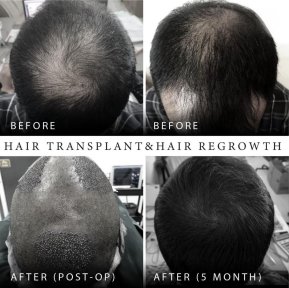
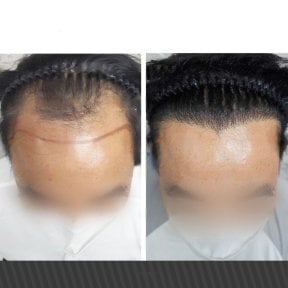
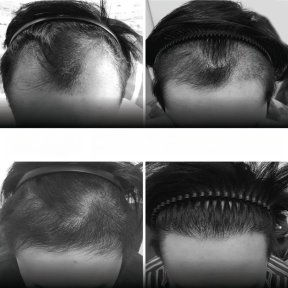
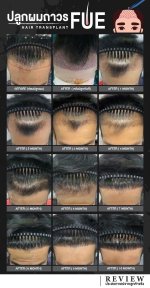
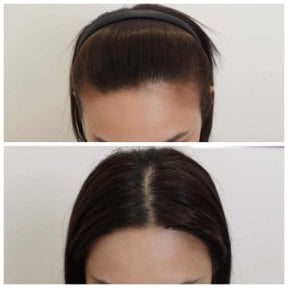
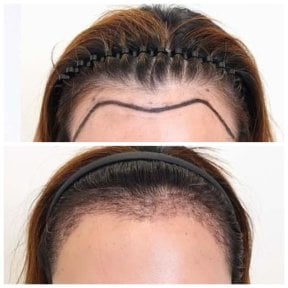
How Much Does FUE hair transplant Cost in Thailand in AUD?
FUE hair transplant in Thailand typically costs from AUD $7,978 to AUD $9,428. Final prices depend on the total graft count and the chosen technique, such as DHI or Sapphire FUE. In Australia, the average cost is around AUD $16,680. Australians can save approximately 48% by travelling to medical hubs like Bangkok, Phuket, or Pattaya. Packages often include transfers, medications, and post-operative care.
Graft volume: Total cost scales with the number of follicles required for the treated area.
Technique premium: DHI or Sapphire FUE often adds 20–30% to the standard FUE price.
Clinic location: Packages in Bangkok are highly competitive compared to resort areas like Phuket.
Advanced technology: Using ARTAS robotic assistance typically increases the base procedure cost.
Bookimed Expert Insight: Australian patients find high value in Bangkok clinics like Vital Glow Skin & Aesthetic. They use advanced systems like ARTAS robotic training for precise results. Specialists such as Dr. Ariyapon Lortaraprasert have performed over 10,000 hair transplants. Some packages even include one PRP session to boost healing. This ensures a higher quality of care than mid-tier clinics while maintaining significant savings.
Data verified by Bookimed as of June 2026, based on patient requests and official quotes from 183 clinics worldwide. Median costs are based on real invoices (2025–2026) and updated monthly. Actual prices may vary.
Best FUE hair transplant Clinics in Thailand for Australians: 19 Verified Options and AUD Prices
A procedure involves surgically implanting hair follicles to restore a natural-looking hairline, enhancing appearance and boosting confidence with minimal downtime for recovery.
This surgery involves extracting hair follicles from areas like the chest or back and implanting them onto the scalp, offering a natural-looking solution for hair loss.
This minimally invasive procedure uses advanced technology to harvest and implant hair follicles, providing natural-looking results with minimal downtime and a swift recovery.
How to find best offer with Bookimed?
Discover options on the website: deals, clinics, and doctors.
Select your favourites.
Share photos or describe your issue.
Send a request.
Receive free offers for your needs with prices and details.
Compare and finalise your choice.
Book your clinic visit.
Pay at the clinic. Bookimed fees are $0 for you.
From start to finish, the Bookimed coordinator keeps you safe and comfortable during your medical journey.
100% free, non-binding assessment of your case after photos download.
Instant FREE personalised offers to make the right choice.
Expert guidance in choosing the perfect Plastic Surgery doctor and clinic.
Special packages and exclusive prices for our patients.
24/7 Bookimed guidance at no cost, guaranteed.
Hassle-free translation of your medical documents for clinics.
Multilingual staff — no language barrier with Bookimed coordinator.
Bookimed ensures transparent and secure payments. Patients pay at the clinic with no additional fees.
34 years of experience • 20000+ treatments performed
Dr Phatcharasak Kraisornphongsakul Md is a board-certified plastic surgeon at ID Clinic Bangkok who is widely recognised for his work in FUE hair restoration.
Board certified in plastic surgery for over two decades
Specialises in using a minimally invasive approach to avoid scarring
Personally evaluates every patient to create a tailored treatment plan
Works with a full surgical and anaesthesia team to manage every procedure
Focuses on high follicle survival rates for long-lasting hair density
20 years of experience • 10000+ treatments performed
Dr Ariyapon Lortaraprasert is a formal member of the International Society of Hair Restoration Surgery and has completed over 900 successful treatments.
Holds official certification in the ARTAS Robotic System for high-precision graft harvesting
Active member of the World FUE Institute and FUE Europe
Certified by the Dermatological Society of Thailand with a focus on skin and scalp health
Trained in aesthetic medicine through the American Academy of Aesthetic Medicine
The most reassuring part of the whole process was sitting with the surgeon before we started
The most reassuring part of the whole process was sitting with the surgeon before we started. He took the time to draw the hairline with me and clearly explained the entire FUE extraction and implantation process, which helped manage my expectations for the 2,000-3,000 graft procedure. Now in the early stages of healing, I'm feeling about as expected. The clinic has stayed in touch, which is good. Overall, it was a solid experience with the surgeon and staff, and I appreciated that there were no additional expenses on top of what I was quoted.
A certified medical writer with 10+ years of experience, developed Bookimed’s trusted content, backed by a Master’s in Philology and medical expert interviews worldwide.
General practitioner. Winner of 4 scientific awards. Served in Western Asia. Former Team Leader of a medical team supporting Arabic-speaking patients. Now responsible for data processing and medical content accuracy.
This page may feature information relating to various medical conditions, treatments, and healthcare services available in different countries. Please be advised that the content is provided for informational purposes only and should not be construed as medical advice or guidance. Please consult with your doctor or a qualified medical professional before starting or changing medical treatment.
FAQ about FUE hair transplant in Thailand
These FAQs come from real patients seeking medical assistance through Bookimed. Answers are given by experienced medical coordinators and trusted clinic representatives.
Is it safe to get an FUE hair transplant in Thailand?
Getting an FUE hair transplant in Thailand is safe when choosing clinics accredited by Joint Commission International or ISO. Specialist doctors in Bangkok often hold certifications from the International Society of Hair Restoration Surgery and use advanced technologies like the ARTAS robotic system to ensure high graft survival rates.
Accredited facilities: Premier hospitals like Asia Cosmetic Hospital hold Joint Commission International and ISO certifications.
Qualified specialists: Dr Ariyapon Lortaraprasert at Navamin 9 Hospital has performed over 10,000 restoration procedures.
Advanced technology: Clinics use ARTAS robotic systems and HEPA-filtered theatres to maintain sterile surgical environments.
Surgeon experience: Dr Phatcharasak Kraisornphongsakul at ID Clinic Bangkok has completed over 20,000 plastic surgeries.
Bookimed Expert Insight: Thai clinics often offer more than just standard hair restoration. Data shows a growing pattern of combining FUE with regenerative medicine. For example, Vega Clinic bundles non-shaven FUE with stem cell sessions. This intensive approach specifically targets long-term hair health and is highly popular with Australian patients.
Patient Consensus: Patients highlight that the first 10 days in Thailand are critical for graft safety. They recommend verifying who performs the extractions and choosing conservative hairline designs for natural results.
How can I verify if a Thai hair transplant surgeon is qualified?
Verify a Thai hair transplant surgeon by checking their registration with the Medical Council of Thailand and confirming specialised board certification in Plastic Surgery or Dermatology. High-quality practitioners often hold global credentials from the American Board of Hair Restoration Surgery (ABHRS) and maintain active membership in the International Society of Hair Restoration Surgery (ISHRS).
Medical registration: Confirm the surgeon is a licensed medical practitioner on the Medical Council of Thailand register.
Specialist training: Ensure foundational training in Plastic Surgery or Dermatology rather than just general medicine.
Global credentials: Top doctors often hold ABHRS certification, the global benchmark for technical excellence in hair restoration.
Hands-on role: Confirm if the doctor personally performs graft extraction and channel creation instead of technicians.
Bookimed Expert Insight: Thai clinics often blend traditional surgery with regenerative medicine. Dr Ariyapon Lortaraprasert at Navamin 9 Hospital, for example, is certified in the ARTAS robotic system and has performed 10,000+ procedures. Patients should seek surgeons with similar volume who actively participate in multiple ISHRS meetings to ensure they use the latest graft-preservation techniques.
Patient Consensus: Patients in Thailand recommend demanding written confirmation of the surgeon's specific FUE experience and their exact role during the procedure. They suggest prioritising clinics that provide long-term follow-up protocols and clear donor-area photos over polished marketing testimonials.
Are the results of an FUE transplant permanent?
FUE hair transplant results in Thailand are permanent because follicles are harvested from the safe donor zone. These hairs are genetically resistant to thinning and retain this trait after transplantation. While the new hair is lifelong, native hair nearby may continue to thin naturally over time.
Donor dominance: Relocated follicles maintain genetic resistance to hormones causing pattern baldness for decades.
Native thinning: Original hair surrounding the transplant may still recede without ongoing medical maintenance.
Surgeon expertise: Dr Phatcharasak at ID Clinic has performed 20,000+ procedures to ensure graft survival.
Advanced technology: Clinics use the ARTAS Robotic System for precise, scar-free harvesting of permanent grafts.
Long-term planning: Specialists often combine transplants with stem cell therapy to protect existing hair density.
Bookimed Expert Insight: Thai clinics frequently bundle FUE with stem cell therapy or unlimited graft sessions. At Vega Clinic, packages often include two stem cell sessions alongside 1,500+ grafts. This combination doesn't just move hair; it strengthens the scalp environment to help native hair last longer.
Patient Consensus: Transplants in Thailand provide a lasting fix for receding hairlines. Grafts stay put for years, though keeping original hair density requires consistent follow-up care and realistic expectations.
What is the recovery timeline after an FUE procedure?
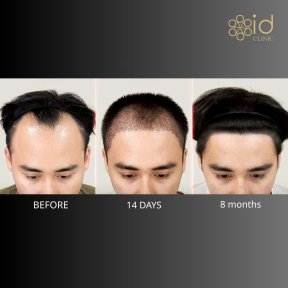
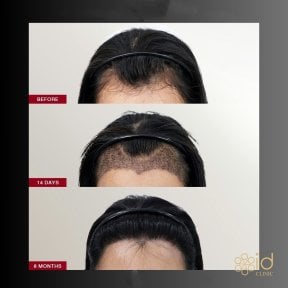
Structural healing after an FUE hair transplant usually takes 10 to 14 days, while full cosmetic results mature over 12 to 18 months. Patients typically return to desk work within a week, but hair follicles transition through a dormancy phase before active regrowth begins around the fourth month.
Initial healing: Redness and scabbing generally clear within the first 14 days post-surgery.
Head elevation: Sleeping upright at 45 degrees for 3-5 days reduces forehead swelling.
Graft anchoring: Newly implanted follicles become securely fixed in the scalp by day 10.
Shock loss: Transplanted hair shafts shed between weeks 2 and 6 before regrowing.
Full density: Final thickness and styling maturity are typically achieved by the 12-month mark.
Bookimed Expert Insight: Thailand's high-volume centres often bundle regenerative therapies to accelerate these timelines. Clinics such as Vega Clinic integrate stem cell sessions with FUE, while others like Vital Glow include PRP. These additions aim to nourish dormant follicles, potentially shortening the "ugly duckling" phase where shedding occurs before new growth.
Patient Consensus: Recovery in Thailand involves stages where donor areas heal quickly, though scabbing persists for two weeks. Expect the first few days to be more about managing tightness and sleeping propped up than actual pain. Most suggest booking a buffer for travel to avoid rushing while grafts are still delicate.
How long does the FUE surgery take and how long must I stay in Thailand?
FUE hair transplant surgery in Thailand typically takes 4 to 8 hours to complete in a single visit. Patients should plan to stay in the country for 7 to 14 days to ensure proper recovery, professional wound care, and final clinical clearance before flying.
Surgery duration: Procedures involving 2,000–3,000 grafts often stretch into an all-day clinic visit.
Clinical stay: Some specialised packages at Vega Clinic recommend a 14-day stay for optimal healing.
Mandatory follow-up: Remaining for 3–5 days allows for professional hair washing and dressing removal.
Travel buffer: Surgeons advise against immediate long-haul flights due to post-operative scalp swelling.
Bookimed Expert Insight: While many clinics suggest a standard 7-day trip, data shows that high-volume centres like Asia Cosmetic Hospital often include 6 months of follow-up support. Opting for a 10-day stay allows clinics to manage the critical scab-removal phase, reducing the risk of graft displacement during the flight home to Australia.
Patient Consensus: FUE is a long procedure so patients recommend bringing entertainment for the day. Staying extra time in Thailand helps manage initial swelling and ensures the first wash is done correctly by experts.
Do I have to shave my head for an FUE hair transplant?
A full head shave is not mandatory for an FUE hair transplant in Thailand. While standard procedures typically trim the donor area to 1–2mm, specialists offer non-shaven and long-hair FUE techniques that preserve existing hair length for immediate social discretion.
Non-shaven techniques: Options like FUE Non-Shaven (Long Hair) allow surgery without any trimming.
DHI approach: Surgeons use Choi pens to implant follicles directly between existing hair strands.
Robotic assistance: The ARTAS robotic system at Navamin 9 Hospital provides precision without large shaven zones.
Partial shaving: Clinics may shave only small donor "windows" easily hidden by surrounding hair.
Bookimed Expert Insight: While non-shaven FUE is popular for privacy, it is often more labour-intensive and costly. In Bangkok, these premium packages can reach A$19,500, whereas standard shaven FUE starts from $5,500. Choosing a partial shave often offers the best balance of surgical precision and social discretion for Australian patients.
Patient Consensus: Shaving is often a clinic preference for precision rather than a medical requirement. Patients find confirming shaving details in writing before travelling to Thailand ensures no surprises on the surgery day.