Artificial pupil surgery Clinic in Thailand — AUD Prices


Medically reviewed by
Fahad Mawlood
How Much Does Artificial pupil surgery Cost in Thailand in AUD?
Artificial pupil surgery in Thailand typically costs from AUD $1,700 / ฿37,400 to AUD $3,600 / ฿81,600. The final price depends on whether the patient requires a custom iris prosthesis or a reconstructive procedure. These procedures usually include the surgical fee, local anaesthetic, and initial eye examinations.
- Clinic tier: Accredited hospitals in Bangkok often charge 15–20% more than boutique eye centres.
- Customisation: Hand-painted iris implants designed to match the other eye increase the total investment.
- Ancillary treatments: Combining the surgery with cataract removal or lens replacement adds to the cost.
- Destination: Most specialised procedures occur in Bangkok, though prices in Phuket are generally comparable.
Bookimed Expert Insight: Australian patients frequently choose Bangkok because of the specific sub-specialisation of local ophthalmologists. Doctors like Dr Theppachai Thammikasakul at Intrarat Hospital have advanced training in corneal and refractive surgery from top institutions. Laser Vision at Bangkok Eye Hospital has focussed exclusively on eye care since 1998. This long-standing focus attracts patients from Australia who seek experience with rare ocular reconstructions. Choosing a dedicated eye hospital often provides access to more specialised diagnostic tools than a general hospital.
| Thailand | Turkey | |
|---|---|---|
| Artificial pupil surgery | ≈ AUD $1,700 / ฿37,400 | from AUD $9,100 / ฿204,000 |
Your Benefits and Guarantees with Bookimed
Transparent Prices & Flexible Installments
No hidden fees – just official clinic prices. Pay at the clinic for Artificial pupil surgery upon arrival and use a flexible instalment plan if needed.
Verified Clinics & Doctors Only
Bookimed is committed to your safety. We only work with medical institutions that maintain high international standards in Artificial pupil surgery and have the necessary licenses to serve international patients worldwide.
Free 24/7 Assistance
Bookimed offers free expert assistance. A personal medical coordinator supports you before, during, and after your treatment, solving any issues. You're never alone on your Artificial pupil surgery journey.

Your personal Bookimed medical coordinator
- Supports you at every stage
- Helps choose the right clinic and doctor
- Ensures quick and convenient access to information
Best Artificial pupil surgery Clinics in Thailand for Australians: 1 Verified Option and AUD Prices
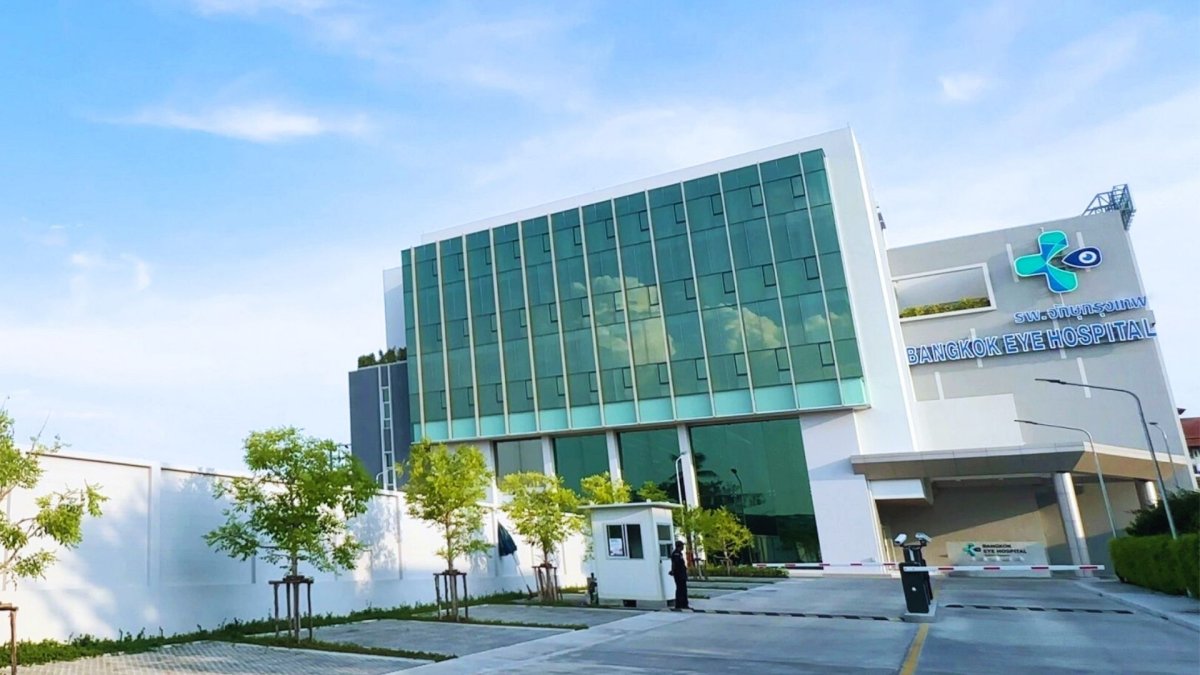


Artificial pupil surgery Overview in Thailand
- Bookimed deposit: $200 or €200.
- Clinic deposit: Pay a set percentage in advance.
Our Doctors
View all Doctors
Ponpawee Jindarak
Dr. Jindarak is an ophthalmologist with specialized training in glaucoma, including an international fellowship at the Illinois Eye and Ear Infirmary.
- Graduated from Chulalongkorn University's Faculty of Medicine
- Holds a Certificate of Ophthalmology from Chulalongkorn University
- Completed a clinical fellowship in glaucoma at University of Illinois, Chicago
- Currently practices at Intrarat Hospital

Theppachai Thammikasakul
Dr. Theppachai Thammikasakul specializes in corneal and refractive surgeries, bringing precise expertise to artificial pupil procedures at Intrarat Hospital.
- Certified ophthalmologist with sub-specialty in corneal and refractive surgery
- Trained at Khonkaen University – a respected center for eye care
- Member of Phramongkutklao Hospital's ophthalmology department
- Performs delicate eye surgeries with specialized techniques
Video Stories from Bookimed Patients
Reviews about Bookimed: Discover Patients' Insights
All reviews
Share this content
 Anna Leonova

FAQ about Artificial pupil surgery in Thailand
What are the health risks associated with artificial pupil surgery in Thailand?
Artificial pupil surgery in Thailand carries significant health risks, including permanent vision loss, glaucoma, and chronic inflammation. This procedure is often used to treat conditions like aniridia. However, it can cause secondary cataracts or corneal damage when performed for cosmetic reasons. Specialists at AACI-accredited facilities emphasise that long-term monitoring helps prevent sight-threatening infections.
- Vision loss: Damage to the optic nerve or retina can cause permanent blindness.
- Glaucoma risk: Elevated internal eye pressure requires lifelong management to prevent nerve damage.
- Corneal injury: Severe trauma to the eye surface may require a corneal transplant.
- Inflammatory conditions: Chronic uveitis or internal swelling often leads to subsequent surgeries.
Bookimed Expert Insight: While costs for artificial pupil surgery in Thailand range from $1,100 to $2,400, the choice of surgeon is critical for safety. Specialists like Dr Ponpawee Jindarak at Intrarat Hospital hold US fellowships in glaucoma, which is the most frequent complication of iris-related procedures. This high-level training in managing eye pressure is a vital safety net for international patients.
Patient Consensus: Patients find that dry eyes and light sensitivity are common after eye surgery in Thailand. Many suggest confirming a remote follow-up plan with the specialist to manage adaptation issues once back in Australia.
Are the surgeons performing artificial pupil surgery in Thailand properly qualified?
Surgeons in Thailand performing artificial pupil surgery are highly qualified specialists. They typically hold board certifications from the Royal College of Ophthalmologists of Thailand. Many have completed fellowships in corneal surgery, refractive surgery, or glaucoma in the United States and Europe.
- Specialist credentials: Surgeons like Dr Ponpawee Jindarak at Intrarat Hospital hold international clinical fellowships from US universities.
- Sub-specialties: Specialists often hold sub-board certifications in corneal and refractive surgery or complex glaucoma care.
- Surgical volume: Eye centres like Laser Vision at Bangkok Eye Hospital report over 100,000 successful surgeries.
- Institutional standards: Major Bangkok hospitals use robotic diagnostics and AI to help with precision diagnostic mapping.
- Australian focus: Leading clinics cater to Australians with international services and telehealth follow-up support.
Bookimed Expert Insight: Look for surgeons with a sub-board fellowship in corneal or refractive surgery. Bookimed data shows these specialists, such as Dr Theppachai Thammikasakul, focus on the eye's anterior segment. This training is vital for the complex intraocular work required during iris reconstruction.
Patient Consensus: Patients feel confident choosing doctors who share their case numbers and international training certificates. Successful experiences in Thailand often involve clinics that provide clear post-operative plans for return to Australia.
What information should I request from a surgeon in Thailand before booking artificial pupil surgery?
Request evidence of the surgeon's case volume for artificial pupil surgery and their success rates. Confirm the clinic holds international accreditation, such as AACI. Ask for a cost breakdown covering surgical fees, implants, and follow-up appointments in Thailand.
- Surgical experience: Request the number of iris surgeries performed, not just general eye procedures.
- Clinical accreditation: Verify certifications like AACI at centres such as Laser Vision at Bangkok hospital.
- Implant specifications: Clarify if the prosthetic iris is a custom-made or standard medical device.
- Long-term risks: Ask for a documented assessment of risks like dry eye or night-vision halos.
- Emergency protocols: Confirm the after-hours contact plan and local emergency care arrangements before travelling.
Bookimed Expert Insight: General eye surgery is common, but artificial pupil procedures require sub-specialist training. Clinics like Laser Vision have 27+ years of experience with complex conditions. Patients should choose surgeons with international fellowships. For example, Dr Ponpawee Jindarak at Intrarat Hospital trained at major US institutions.
Patient Consensus: Treat this as a high-stakes ophthalmic operation rather than a cosmetic package. Obtain a written rationale for the recommended technique. You should also request a full post-operative medication regimen in Thailand.
What is the typical recovery duration required in Thailand following artificial pupil surgery?
Typical recovery following artificial pupil surgery in Thailand requires 7 to 14 days for most patients. While vision begins clearing within the first week, full corneal healing and visual stability usually take 3 to 6 months.
- Immediate healing: Vision remains blurry for the first 3 to 7 days after surgery.
- Work resumption: Most patients return to desk-based work within 7 days.
- Physical activity: Avoid strenuous exercise or heavy lifting for at least 14 days.
- Travel readiness: Flying is generally safe 5 to 7 days after surgery with surgeon approval.
- Visual stability: It takes up to 6 weeks for vision to stabilise completely.
Bookimed Expert Insight: Laser Vision at Bangkok Eye Hospital has performed 100,000+ successful surgeries. Their specialists use digital diagnostics to predict healing. This screening helps identify patients who might need extended follow-up care before their flight home.
Patient Consensus: Many patients in Thailand find wearing sunglasses indoors helps manage light sensitivity. Sticking to the strict eye-drop schedule is essential for reducing soreness and helping vision clear quickly.
What is artificial pupil surgery and why is Thailand a common site for this procedure?
Artificial pupil surgery replaces a damaged iris with a custom-made silicone prosthetic to restore light filtration. Thailand is a popular destination for this procedure. Specialised clinics like Laser Vision at Bangkok Eye Hospital use digital diagnostics for these complex reconstructions. These facilities treat thousands of international patients annually, including many from Australia.
- Visual benefits: Reduces light sensitivity and glare. It also improves how the iris looks.
- Custom prosthesis: Surgeons insert flexible, medical-grade silicone implants tailored to each patient's eye size.
- Fast recovery: Most patients return to light activities within 7 to 14 days after surgery.
- Cost efficiency: Procedures cost from $1,100 to $2,400, saving patients up to 57% vs Australia.
Bookimed Expert Insight: Bangkok clinics offer lower prices, but the real value lies in surgical volume. Laser Vision has completed over 100,000 surgeries since 1998. This high volume means surgeons encounter rare complications more often than most Australian specialists. Patients should confirm if their quote covers the specific Iris-Print or 3D-moulded prosthetic required.
Patient Consensus: Patients in Thailand find it vital to clarify if the surgery is a synthetic iris implant or lens replacement. They suggest budgeting for long-term eye-drop regimens. Patients should also arrange aftercare before flying home.