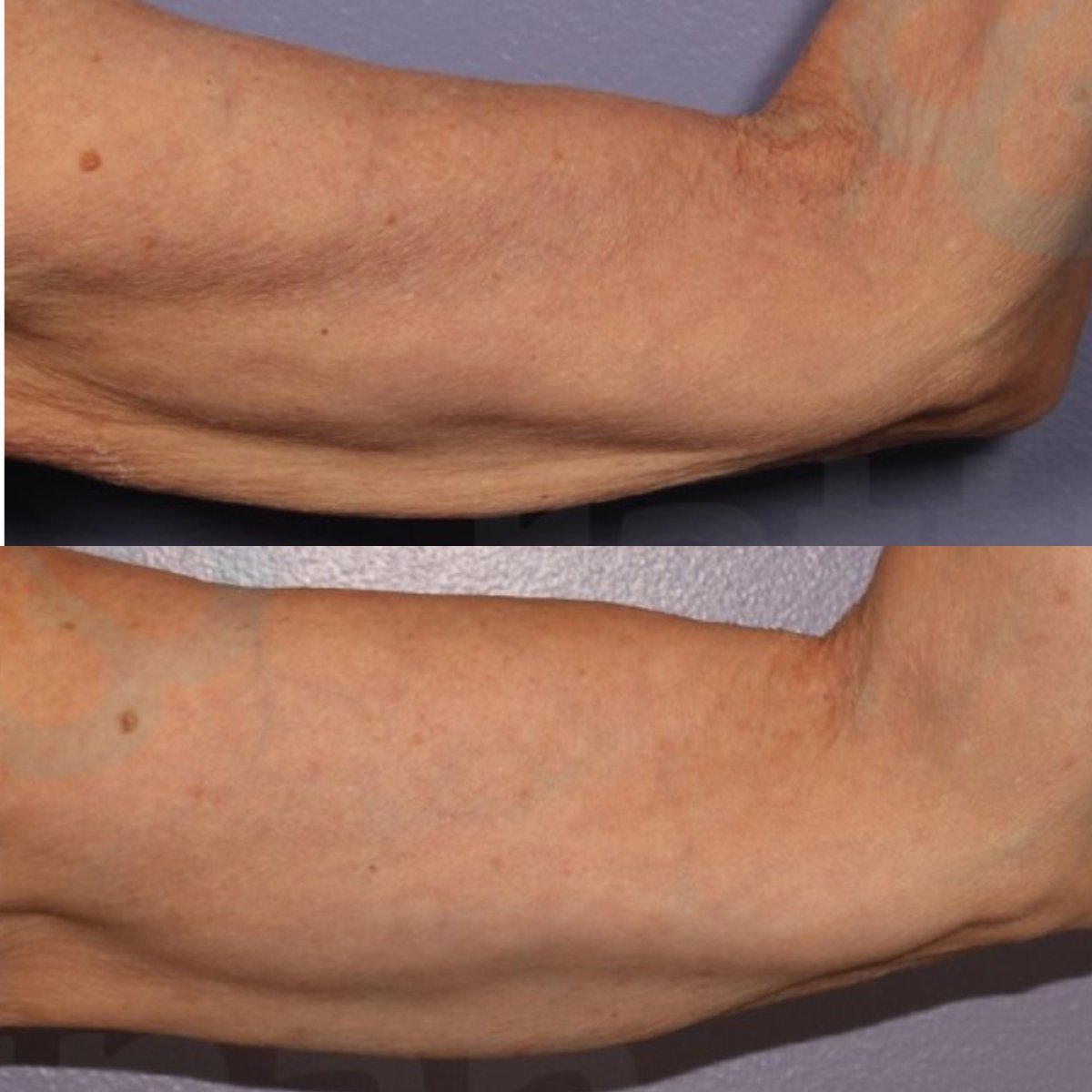
How Much Does Arm lift (brachioplasty) Cost in Thailand in AUD?
Arm lift (brachioplasty) in Thailand typically costs from AUD $3,900 / ฿88,400 to AUD $7,200 / ฿163,200. Final pricing depends on the surgical technique, the clinic’s accreditation, and choice of city, with Bangkok and Phuket being primary hubs. Packages often include surgeon fees, anaesthetic, compression garments, and local transfers from the airport or hotel.
Mini arm lift: typically costs 15–20% less than a standard brachioplasty procedure.
Standard arm lift: involves traditional incision techniques to remove significant excess skin.
Extended arm lift: often incurs higher costs for removing tissue from the underarm and chest.
Accredited facilities: clinics with JCI or ISO certifications may charge a premium for quality.
Bookimed Expert Insight: Thai hospitals offer exceptional value through high surgical volumes and international training. Specialists like Dr Phatcharasak Kraisornphongsakul have performed 20,000+ procedures, providing vast clinical experience. Packages at ID Clinic Bangkok start around A$3,800 and include garments and transfers. Patients can find JCI-accredited care at Yanhee International Hospital or Asia Cosmetic Hospital, ensuring rigorous safety standards.
Data verified by Bookimed as of November 2026, based on patient requests and official quotes from 435 clinics worldwide. Median costs are based on real invoices (2025–2026) and updated monthly. Actual prices may vary.
Best Arm lift (brachioplasty) Clinics in Thailand for Australians: 4 Verified Options and AUD Prices
Dr. Thanakom Laisakul is a plastic surgeon at Asia Cosmetic Hospital in Bangkok. He is a member of the International Society of Aesthetic Plastic Surgery (ISAPS). He specializes in breast aesthetics, body contouring, and facial rejuvenation. Dr. Laisakul trained at Mahidol University and held a leadership role at Trang Hospital.
Holds board certifications in both plastic and general surgery from the Thai Medical Council.
Completed surgical training and fellowships across the USA, South Korea, Australia, and Singapore.
Treats patients at JCI-accredited Asia Cosmetic Hospital, which has a 0% complication rate.
Performs Vaser liposuction, mommy makeovers, and complex breast implant revisions.
Video Stories from Bookimed Patients
Oksana
I have fulfilled my dream. Finally, I won't cry about my hair anymore.
Procedure: Hair transplant
Roman
Just 4 days in Turkey, and I'm already home with a new hair.
Procedure: Hair transplant
Jamie
Bookimed made this medical trip a breeze.
Procedure: Sex reassignment surgery
Dmitrii
Bookimed hooked me up with a really good clinic. I saved a ton of cash.
Procedure: Beard transplant
Skye
Premium clinic, top-notch transfer, a sweet hotel stay. And I saved 24 grand!
Procedure: Liposuction
Anne
I feel like the happiest person in the world, thanks to Bookimed.
Procedure: Facelift
Diana
Thanks to Bookimed, I found hope and a clinic willing to help.
Procedure: Hair transplant
Vika
In a few hours, I went from being self-conscious to loving my new look.
Procedure: Breast augmentation
Alona
A beautiful, natural shape and symmetry. Exactly what I wanted!
Procedure: Breast augmentation
Jelena
I'm doing double takes in the mirror. The results are mind-blowing.
Procedure: Facelift
Reviews about Bookimed: Discover Patients' Insights
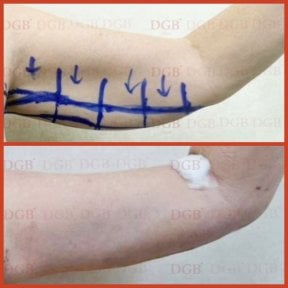
My coordinator was lovely, always friendly, helpful, and stayed in close contact. The clinic was very clean and the language barrier was never a problem; the doctor and staff were extremely supportive. During my consultation for the lift on both arms, the doctor personally did my markings and was honest about scar visibility. My only issue was with the medication. I wish it was explained better, as I was given two types I'm not allowed to take, which was mentioned beforehand. I’m feeling better than expected. There were no additional expenses, and the clinic has stayed in touch with a clear aftercare guide. My advice: bring cool clothes and be prepared not to shower.
Coordinator was lovely always friendly and very helpful . She stayed in close contact. Clinic was very clean and the language barrier was never a problem. Dr and staff were extremely supportive and knowledgeable.
Would have liked the medication to be explained better. I was given 2 lots of medication I’m not allowed to take and this was explained to dr and staff beforehand
Nicole Crottey • Arm lift (brachioplasty)
15 Jan 2026
Verified review.
Outstanding service, support, surgeon and medical staff
Outstanding service, support, surgeon and medical staff. I was nervous about my surgery but all of the staff were so professional, supportive and friendly. I highly recommend I’d clinic and will be going back for more surgery.
Anonymous • Arm lift (brachioplasty)
17 Oct 2026
Verified review.
My coordinator was very helpful and reassuring, and the nurses are all lovely and attentive
My coordinator was very helpful and reassuring, and the nurses are all lovely and attentive. The doctor does nice, neat work. However, I feel the doctor doesn't always listen to requests, which I think is due to a language barrier. While he did the consultation and markings for my type of arm lift personally, my specific input on how much to take wasn't fully followed. The biggest issue is that the recommended stay is not nearly enough time; this caused a lot of stress and extra expense. On a positive note, the clinic's support afterward was solid, with a clear aftercare guide and being easy to reach.
I feel the co ordinator was very helpful and reassuring
The doctor does nice neat work
The nurses are all very lovely and attentive
The doctor doesn't always listen to your requests
I think due to language barrier
The initial consultation/co ordinator needs to be saying at least 10 to 14 days as 8 is not enough and caused a lot of stress and extra expense
Anonymous • Arm lift (brachioplasty)
Singapore
23 Aug 2026
Verified review.
The clinic has stayed in touch since my discharge, which is reassuring
The treatment cost was so much cheaper than in Singapore, but the English support could have been stronger at all stages. Waking up after my full arm lift, which covered both arms from armpit to elbow, was a bit disorienting. The language barrier created some challenges throughout the process, even though the staff were generally helpful. It is still too early to tell what the final results will be. The clinic has stayed in touch since my discharge, which is reassuring. My one piece of advice for future patients would be to confirm the complete schedule of your treatment before you arrive, just to make sure everything is clear from the beginning.
Treament cost so much cheap then Singapore
English support could be stronger at all stage
Anonymous • Arm lift (brachioplasty)
United States of America
25 Nov 2024
Verified review.
I chose not to use the services at all. I was working with book med for months looked at the pictures of the hospital, but when I got there and actually saw the hospital, it was dirty. The room where you take. The pictures looks dirty unorganized so what would the operating room look like? I pay the consultant fee, but the doctor never touched me. Never put his hands on me. Just looked at my pictures and I'm in the room so you need to fix that.
About Bookimed service
Tiffany and Whitington, the coordinators were fine. Got all the information. It was the dirtiness of the hospital and the unprofessionalism of the doctor. He looks sloppy like he didn't have time like I said before he never even touched me so I paid a consultation fee for a conversation about nothing, not happy
A certified medical writer with 10+ years of experience, developed Bookimed’s trusted content, backed by a Master’s in Philology and medical expert interviews worldwide.
Dr. Ergin Er is a plastic, reconstructive and aesthetic surgeon who has performed more than 10,000 aesthetic procedures. He is a multiple award winner at Turkish National Congresses of Plastic Surgery and completed advanced training at Baylor College of Medicine in Houston, Texas.
This page may feature information relating to various medical conditions, treatments, and healthcare services available in different countries. Please be advised that the content is provided for informational purposes only and should not be construed as medical advice or guidance. Please consult with your doctor or a qualified medical professional before starting or changing medical treatment.
FAQ about Arm lift (brachioplasty) in Thailand
These FAQs come from real patients seeking medical assistance through Bookimed. Answers are given by experienced medical coordinators and trusted clinic representatives.
How do I ensure I choose a safe clinic for an arm lift (brachioplasty) in Thailand?
Patients choose a safe arm lift in Thailand by selecting JCI-accredited hospitals. They should use surgeons certified by the Medical Council of Thailand. Verifying ISAPS membership and choosing facilities with on-site intensive care units helps reduce surgical risks.
Facility accreditation: Prioritise Joint Commission International (JCI) or Thai Hospital Accreditation (HA) standards.
Specialist credentials: Confirm surgeons hold specific diplomas in plastic surgery, not just general medicine.
Hospital infrastructure: Choose full hospitals like Yanhee International Hospital with 400 beds and emergency teams.
Surgeon experience: Select doctors like Dr Tanongsak Panyawirunroj who has performed 15,000+ procedures.
Bookimed Expert Insight: Thai medical hubs show a clear safety split between day clinics and full hospitals. Packages at centres like ID Clinic Bangkok offer A$3,700 all-inclusive deals. However, high-volume hospitals like B.Care Medical Center serve 22,000+ patients annually. Australian patients should choose hospital-based settings for 24/7 specialist anaesthesia support and emergency response.
Patient Consensus: Patients in Thailand appreciate professional medical staff who manage surgical nerves with supportive care. Many suggest checking clinic cleanliness and ensuring the surgeon performs a physical evaluation.
Is flying back to Australia right after a brachioplasty in Thailand considered dangerous?
Flying to Australia immediately after brachioplasty in Thailand is dangerous. The 9-hour flight carries a high risk of deep vein thrombosis and pulmonary embolism. Pressure changes can also cause wounds to open or cause severe swelling around incisions. Specialists recommend waiting 10–14 days before boarding long-haul flights.
Blood clot risk: Long flights after major surgery significantly increase the potential for life-threatening clots.
Wound dehiscence: Cabin pressure changes may cause fresh arm incisions to tear or bleed.
Recovery period: Surgeons generally advise a local stay of 10 to 14 days before travel.
Professional clearance: Airlines often require a fit-to-fly certificate. This confirms incisions are closed and stable.
Bookimed Expert Insight: Some clinics like ID Clinic Bangkok offer outpatient brachioplasty. However, this does not mean travel is safe. Data shows major centres like Yanhee International Hospital serve 450,000+ patients annually with strict safety protocols. Patients should choose clinics with JCI accreditation, such as Asia Cosmetic Hospital, for international safety standards before flying.
Patient Consensus: Many travellers suggest staying in Thailand for two weeks to manage swelling or stiffness. They highlight that telehealth options are helpful for follow-up care once back in Australia.
What should I expect regarding permanent scarring after an arm lift in Thailand?
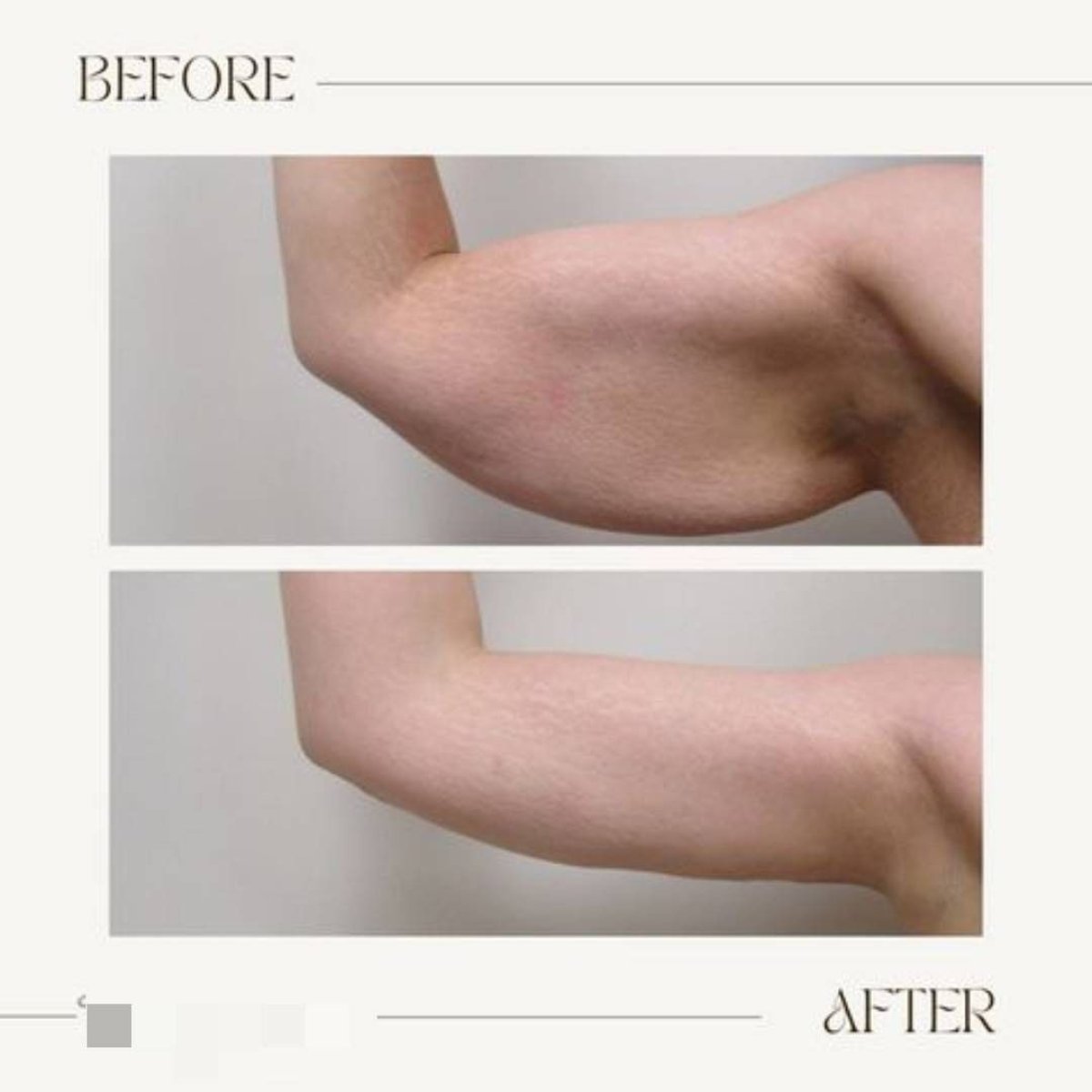
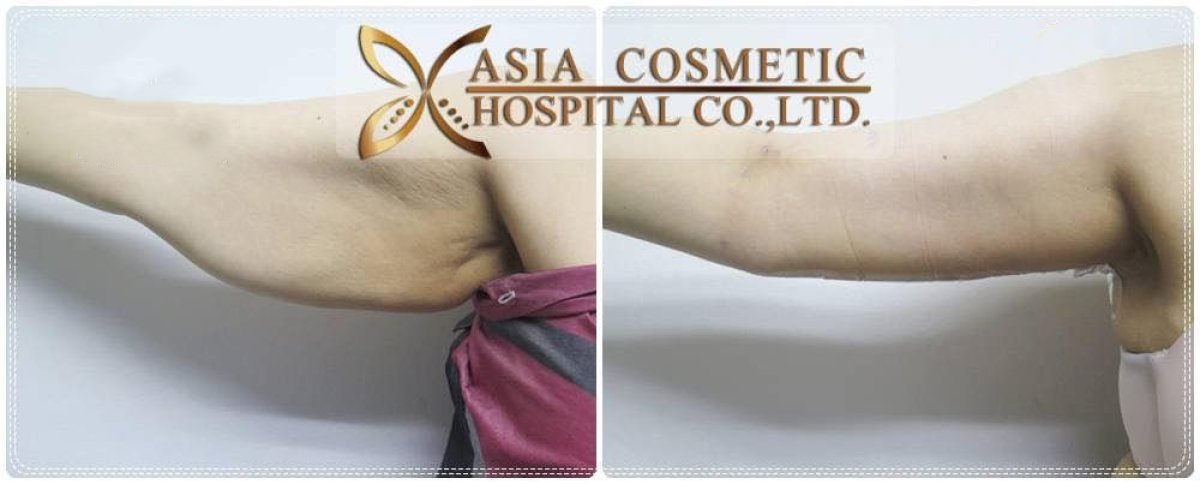
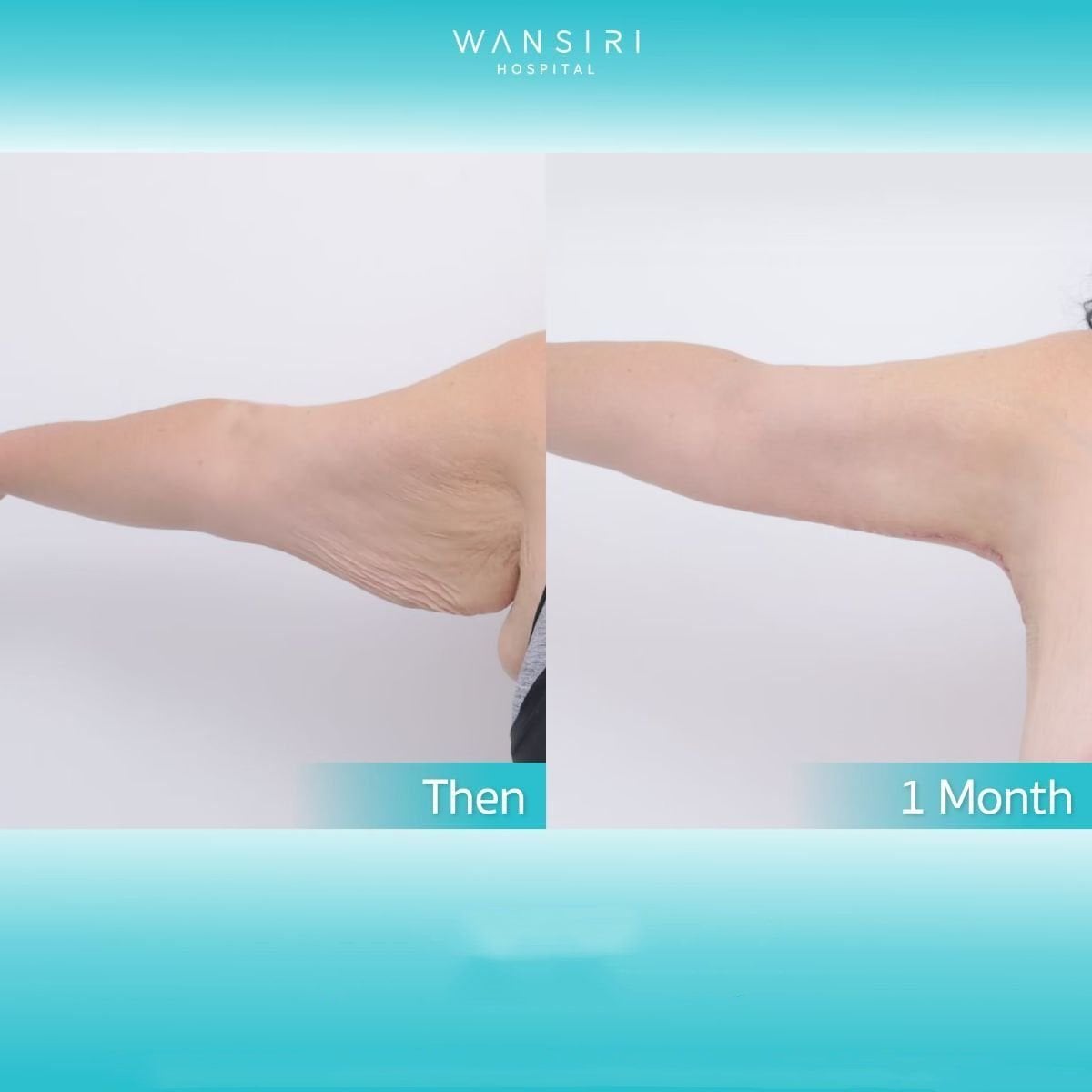
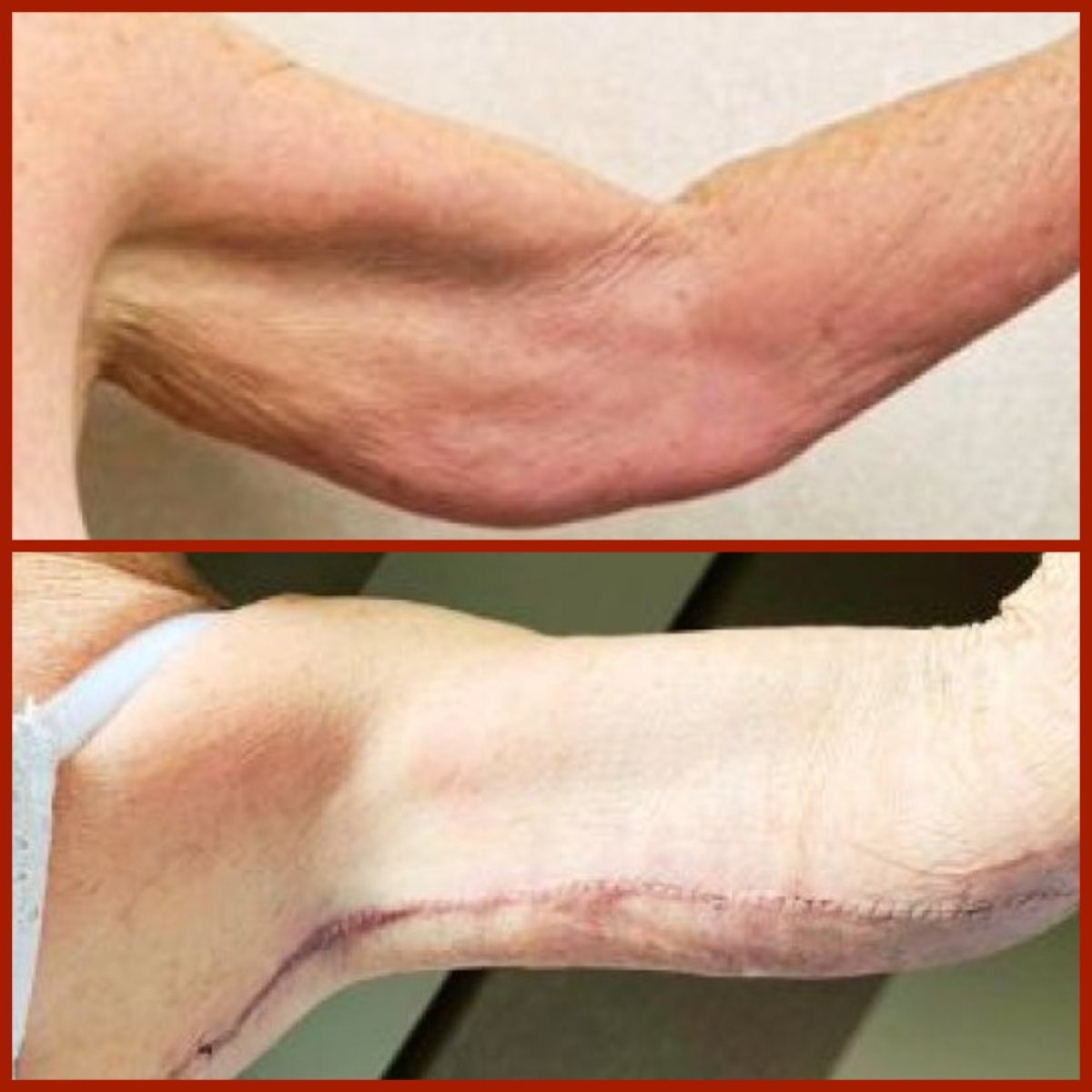
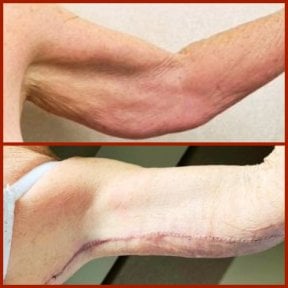
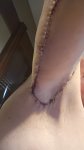
Permanent scarring is a surgical reality following an arm lift in Thailand. A linear scar remains along the inner arm from the armpit to the elbow. While long-term fading occurs, these scars are permanent. Surgeons typically place incisions discreetly to minimise visibility when the arms are at rest.
Maturation timeline: Scars appear red and raised initially. They usually flatten and fade over 12–24 months.
High-tension risks: Constant arm movement can cause scars to stretch or widen during early healing.
Genetic factors: Patients with darker skin tones have an increased risk of hypertrophic or keloid scarring.
Climate management: Thailand's humidity requires staying in air-conditioned environments to prevent incision infections.
Bookimed Expert Insight: Bookimed data shows that leading surgeons have direct training experience from Australian hospitals. For example, Dr Chokchai Amornsawadwattana at Yanhee International Hospital trained at Royal Melbourne. This means surgeons understand the sun-protection needs and scar-management protocols familiar to Australian patients.
Patient Consensus: Patients in Thailand found surgical teams professional and highly supportive during recovery. They suggest requesting long-term scar photos and a written post-op plan before returning home.
Who is an ideal candidate for an arm lift (brachioplasty) in Thailand?
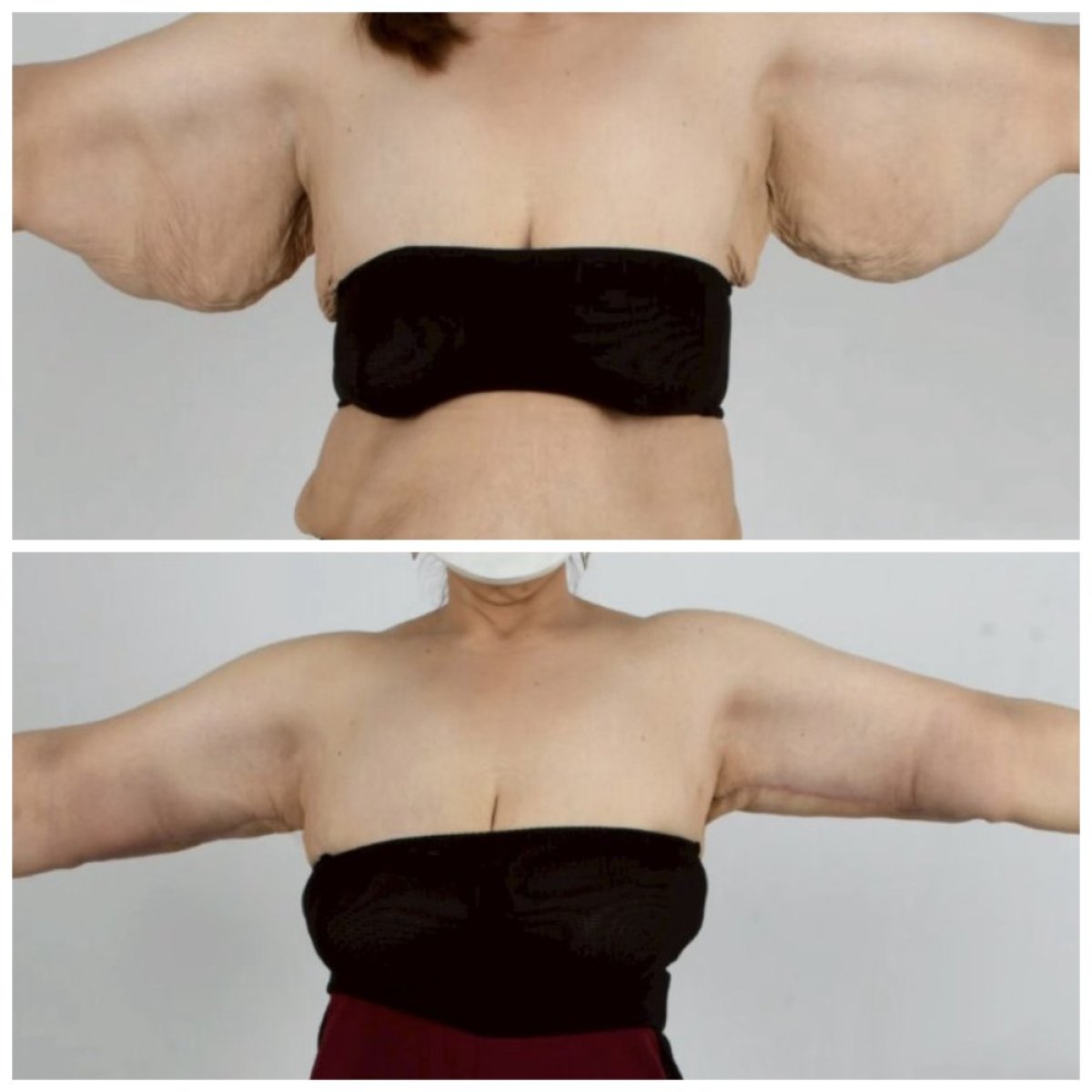
Ideal candidates for an arm lift in Thailand are adults with significant loose skin after major weight loss. Candidates should have a stable weight for 6 to 12 months. They should also maintain a BMI close to their target. Success requires being a non-smoker with no history of lymph drainage issues.
Skin laxity: Best for heavy folds of hanging skin rather than fat reduction alone.
Health status: No chronic cardiovascular issues or uncontrolled diabetes for safe general anaesthesia.
Weight stability: Candidates must finish major weight loss before surgery for lasting results.
Recovery window: Patients must stay in Thailand for 7–10 days for suture removal.
Bookimed Expert Insight: Thai clinics like ID Clinic Bangkok and Yanhee International Hospital handle very high patient volumes. Some clinics serve over 400,000 patients annually. Because of this scale, surgeons like Dr Phatcharasak Kraisornphongsakul have performed 20,000+ procedures. This experience means they can accurately predict how different skin types will scar and heal.
Patient Consensus: Patients find the experience in Thailand professional and supportive. This is especially true when clinics include transfers and compression garments. Most acknowledge that an inner-arm scar is the necessary trade-off for improved contour.
What is the typical recovery timeline after an arm lift in Thailand?
Most patients spend 10 to 14 days in Thailand before receiving medical clearance to fly home. Initial healing includes restricted arm movement for two weeks. Final skin contouring and scar maturation settle over 6 to 12 months in JCI-accredited Bangkok facilities.
Hospital stay: Accredited centres usually include 1–2 nights for monitoring.
Initial recovery: Keep hands elevated above heart level for three days.
Suture removal: Thai surgeons typically remove non-dissolvable stitches by day 10.
Flight clearance: Mandatory fit-to-fly certificates are issued after final wound checks.
Daily routine: Most patients return to desk work after two weeks.
Bookimed Expert Insight: Many clinics offer A$3,700 packages. However, the differentiator is often the surgeon's experience. Dr Phatcharasak Kraisornphongsakul at ID Clinic has performed 20,000+ procedures. This highlights the high experience level available in Thailand compared to smaller Western practices.
Patient Consensus: Recovery feels hardest during the first two weeks due to tightness and restricted movement. Expect to need help dressing or washing hair. Keep your room air-conditioned to avoid sweat-related irritation.
What types of brachioplasty surgical techniques are offered in Thailand?
Clinics in Thailand offer four primary brachioplasty techniques. These include traditional, mini, and extended arm lifts, plus liposuction-assisted contouring. These methods address skin laxity and fat deposits. They are typically performed by specialists in Bangkok and Phuket centres.
Traditional arm lift: Reshapes the upper arm for moderate to severe sagging using inner-arm incisions.
Mini arm lift: Targets mild laxity with a crescent-shaped incision hidden within the armpit.
Extended brachioplasty: Addresses extreme skin excess extending to the chest, common after massive weight loss.
Liposuction-assisted approach: Combines skin excision with VASER or radiofrequency to remove dense fat deposits.
Bookimed Expert Insight: Thai clinics like Yanhee International Hospital and Asia Cosmetic Hospital serve huge patient volumes. Some individual surgeons perform 15,000+ procedures. This high volume allows surgeons to master specialised suturing patterns. These include zigzag incisions, which reduce skin tension and minimise long-term scarring.
Patient Consensus: Patients value how surgeons tailor techniques to personal anatomy. They often combine procedures with liposuction for better contouring in Thailand. They highlight the professional support from medical staff and thorough pre-surgery consultations.
How long do I need to stay in Thailand for an arm lift procedure?
Patients should plan to stay in Thailand for 10 to 14 days following an arm lift. This timeframe allows for post-operative monitoring, wound care, and an in-person follow-up review. Surgeons must check that healing is stable before providing a fit-to-fly certificate for long-haul travel.
Surgical duration: The procedure typically takes 2 to 4 hours under general anaesthesia.
Hospital stay: Facilities like Yanhee International Hospital often require 1 to 2 inpatient nights.
Initial recovery: Patients spend 7 to 10 days at a hotel for rest.
Surgical follow-up: Stitches are usually removed 10 to 12 days after the procedure.
Bookimed Expert Insight: While some centres like ID Clinic Bangkok offer outpatient packages from $2,600, we suggest considering the experience of surgeons like Dr Chokchai Amornsawadwattana. He trained at Royal Melbourne Hospital. His post-op protocols align with Australian medical expectations and flight safety standards.
Patient Consensus: Visitors to Thailand recommend allowing extra time for drain management and initial swelling. Most found that a 14-day trip makes them feel strong enough for the long flight home.












 Anna Leonova