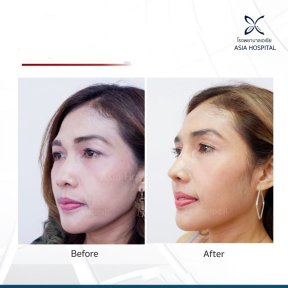
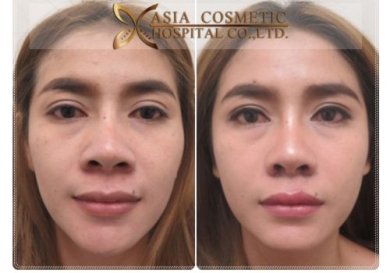
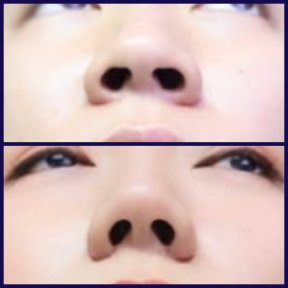
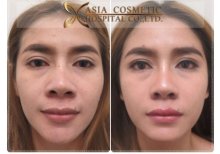
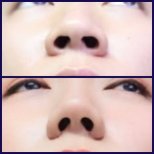
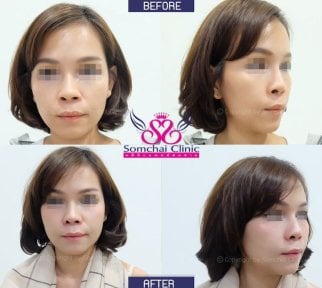
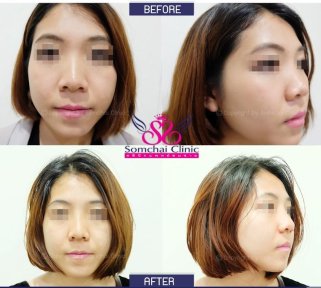
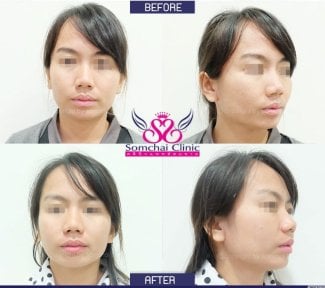
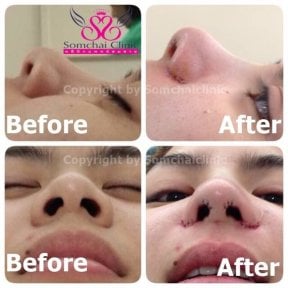
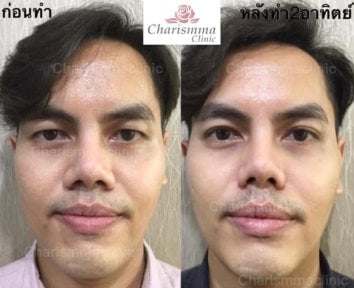
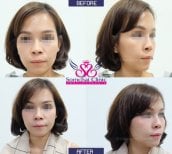
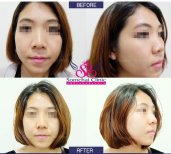
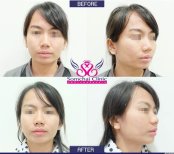
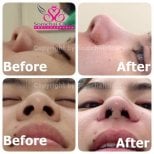
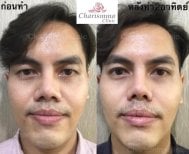
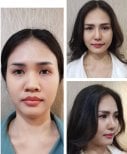
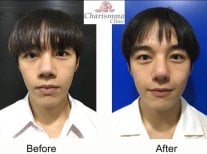
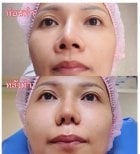
Alarplasty in Thailand typically ranges from AUD $1,600 to AUD $1,700. Costs depend on the clinic reputation, surgical complexity, and technique premiums, such as internal incision methods. Australians save approximately 75% compared to local private prices, which average AUD $6,900. Standard packages usually include surgical fees, local anaesthetic, medication, and follow-up consultations. Main surgical hubs include Bangkok and Phuket.
"Scar-free" technique: adds a 15–20% premium for specialised internal incision methods.
Accredited facilities: usually charge higher rates for safety systems at JCI-accredited hospitals.
Surgical complexity: costs increase if combined with tip refinement or full rhinoplasty.
Regional variations: packages in Bangkok generally run higher than those in regional Phuket.
Bookimed Expert Insight: Thai clinics offer exceptional value by pairing high surgery volumes with international training. For example, Dr. Phatcharasak Kraisornphongsakul has performed 20,000 operations, while others like Dr. Chokchai Amornsawadwattana have trained at the Royal Melbourne Hospital. Dedicated clinics often include 3-star hotel stays in their A$2,000 premium packages, making recovery simpler for Australians traveling solo.
Data verified by Bookimed as of October 2026, based on patient requests and official quotes from 53 clinics worldwide. Median costs are based on real invoices (2025–2026) and updated monthly. Actual prices may vary.
Best Alarplasty Clinics in Thailand for Australians: 3 Verified Options and AUD Prices
34 years of experience • 20000+ treatments performed
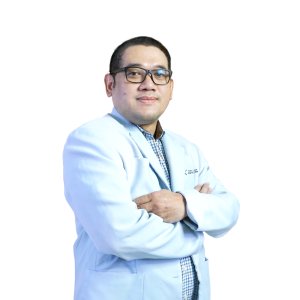
Dr Phatcharasak Kraisornphongsakul Md has performed 20,000+ treatments and is a leading specialist at ID Clinic Bangkok. He is particularly renowned for nose surgery and facial refinements.
Focuses on plastic and cosmetic surgery with a high volume of cases
Personally evaluates patient materials to prepare individual treatment plans
Maintains a 4.3-star profile rating from international patients
Specialises in aesthetic nose procedures including alar base reduction
Dr Saran Wannachamras is a highly credentialed plastic surgeon at Wansiri Hospital who trained at the Eastern Virginia Medical School in the United States.
Holds specialist certification from the Medical Council of Thailand in reconstructive surgery
Member of the Society of Plastic and Aesthetic Surgeons of Thailand
Awarded a clinical surgery diploma from the prestigious Chulalongkorn University
Completed humanitarian surgical training with Operation Smile in Norfolk, Virginia
Member of the International College of Surgeons specialising in plastic surgery
Dr Pimchya Panichkul has completed 900+ successful cosmetic procedures and holds specialist certifications in facial plastic surgery from prestigious institutions in Germany and Korea.
Fellowship trained at Mt Sinai Hospital in Miami, USA
Holds an MSc in Cosmetic Science from Mae Fah Luang University
Certified in Pan-Asia Facial Rejuvenation and minimally invasive techniques
Expert in reconstructive facial surgery with international training in Germany
Leads the surgical team at Charismma Clinic in Bangkok
Video Stories from Bookimed Patients
Oksana
I have fulfilled my dream. Finally, I won't cry about my hair anymore.
Procedure: Hair transplant
Roman
Just 4 days in Turkey, and I'm already home with a new hair.
Procedure: Hair transplant
Jamie
Bookimed made this medical trip a breeze.
Procedure: Sex reassignment surgery
Dmitrii
Bookimed hooked me up with a really good clinic. I saved a ton of cash.
Procedure: Beard transplant
Skye
Premium clinic, top-notch transfer, a sweet hotel stay. And I saved 24 grand!
Procedure: Liposuction
Anne
I feel like the happiest person in the world, thanks to Bookimed.
Procedure: Facelift
Diana
Thanks to Bookimed, I found hope and a clinic willing to help.
Procedure: Hair transplant
Vika
In a few hours, I went from being self-conscious to loving my new look.
Procedure: Breast augmentation
Alona
A beautiful, natural shape and symmetry. Exactly what I wanted!
Procedure: Breast augmentation
Jelena
I'm doing double takes in the mirror. The results are mind-blowing.
Procedure: Facelift
Reviews about Bookimed: Discover Patients' Insights
The professionally when it came to the medical procedure needs work
With medical staff
Anonymous • Neck lift
United States of America
23 June 2026
Verified review.
I’m feeling better than expected this early on
My main worries before the procedure were the recovery process and the final look of the scars. My surgeon was very direct about both, clearly explaining the realistic results, the swelling timeline, and exactly where the incisions for my full neck lift would be placed behind the ears. This honesty was appreciated. The procedure was done under general anesthesia, and I’m feeling better than expected this early on. The clinic’s support has been solid; they gave me a clear aftercare guide and have been easy to reach with questions. It was also a relief that there were no additional expenses on top of the quoted price.
Jade Gregson • Monsplasty
18 May 2026
Verified review.
Despite the discomfort, the clinic, the staff, and my surgeon were all fantastic and provided great care
Monsplaty, Tummy Tuck and 360 Liposuction.
My biggest concern going into this was what the recovery would actually feel like. It's not easy. The most challenging part has definitely been the constant tight feeling, which is something to be prepared for. My surgeon used a combination of liposuction and excision. Right now there is still some swelling, so it’s too early to know how my clothes will fit differently in the end. Despite the discomfort, the clinic, the staff, and my surgeon were all fantastic and provided great care. It was a professional and supportive environment, and I'm glad I made the choice to go there.
Very clean, very inviting. After care was good too. Everything was quick and easy. Communication via whatsapp made things easier as well. I travelled solo and the staff helped that little extra.
After surgery garments are not forgiving for us longer torso people. They were a bit short which added a lil discomfort when it rolled at the back. Other than that everything was really good.
Anonymous • Facial Fat Transfer
United States of America
21 Sept 2026
Verified review.
The support has been great since the procedure; they provided a clear aftercare guide, are easy to reach, and have stayed in touch through my early recovery
Honestly, the doctor understood specifically what I wanted after the consultation, and I loved how quickly they replied back. The whole experience was good. I do wish they had a package that offered a hotel stay as well, but other than that, everything was solid. For my facial fat transfer, they used fat from my thighs to treat multiple areas, including my temples and jawline. There were no additional expenses on top of what I paid the clinic. The support has been great since the procedure; they provided a clear aftercare guide, are easy to reach, and have stayed in touch through my early recovery.
Honestly the doctor understood specifically what I wanted after the consultation. I loved how quickly they reply back to you in terms of communication. The whole experience was good.
I wish they had a package that offered a hotel stay as well but other than that everything was good.
Anonymous • Breast Implant Revision
Thailand
5 Sept 2026
Verified review.
All the wonderful gals took amazing care of me and made my husband comfortable also
My biggest concern was the complexity of replacing my old implants. My surgeon was very honest about the revision's complexity, which was reassuring, and he used Mentor implants for the procedure. I'm still recovering. My coordinator was really helpful and available; she made sure my drains got pulled and got us to our flight home with no stress. All the wonderful gals took amazing care of me and made my husband comfortable also. The shared bathroom outside the rooms made it more difficult, but it is an older building. There were no additional expenses, and the clinic provided a clear aftercare guide.
Coordinator was really helpful and available, she made sure my drains got pulled and got us to our flight home with no stress. All the wonderful gals took amazing care of me and made my husband comfortable also
The shared bathroom outside of the rooms made it more diffucult, but it is an older building
Shamy • Sex reassignment surgery
Spain
6 Apr 2026
Verified review.
Even at just 15 days post-op, the initial aspect is already better than expected
Seeing the surgical site for the first time was the moment everything finally felt real. Even at just 15 days post-op, the initial aspect is already better than expected. We used the penile inversion technique, and while the results look promising, the recovery requires a lot of patience and steady commitment to the healing process. My biggest challenge at this stage is definitely the physical discomfort of being seated for a long time. It is a process. The clinic staff has been very attentive during my stay, and I am expecting to have the catheter removed very soon. To anyone else preparing for this surgery, it’s not easy but it is a good experience overall.
Sophia • Breast Augmentation with Fat Transfer
Canada
30 Aug 2026
Verified review.
My Bookimed coordinator, Maurice, was so kind and helpful, from finding the clinic to the follow-up after my surgery
My Bookimed coordinator, Maurice, was so kind and helpful, from finding the clinic to the follow-up after my surgery. Having real human support made me feel much safer in an unfamiliar country. The clinic staff on WhatsApp felt a bit robotic in their texts, but they were friendly in person, so I think it was just a language barrier. The clinic itself was clean and the staff were caring. My surgeon was very clear; he explained which areas of my thighs would be used for liposuction and what to expect for the fat survival rate, with up to 200 cc transferred per breast. Knowing I had to travel, he also checked on my recovery timeline. The clinic provided a clear aftercare guide and has been easy to reach. The final price was exactly as quoted, with no additional expenses.
The agency, Maurice, was so kind and helpful from finding the right clinic to booking and follow-up after my surgery. Having real human support (not just AI) made me feel so much safer in an unfamiliar country. I arranged my own accommodation, but the clinic was clean and lovely, and the doctors and nurses were caring throughout my surgery and recovery. Highly recommend booking through bookimed
The staff at the clinic who texted me on WhatsApp for my consultation felt a bit off. I feel like talking to robot. Just yes and no. but she was friendly in person, so I think it was just a language barrier. Other than that, nothing negative — overall it was a great experience
YAROSLAV SHCHERBATIUK • Gynaecomastia
7 Feb 2023
Verified review.
Everything went very easily, the case when you are dealing with highly qualified specialists
Hello everyone, There was a problem with gynecomastia in the left breast. I saw an advertisement from the “bookimed” campaign on the Internet, after which I read the reviews (which aroused confidence) and contacted “Bookimed”, the company's managers were sympathetic to my situation and coordinated with Elena who works at B.care medical clinic (in Bangkok) . Elena clearly and clearly explained how we can eliminate this problem, after which I came for a consultation, having done an ultrasound scan, sent blood tests and after consulting with Elena and a Thai surgeon, gynecomastia in the left breast was confirmed, it was decided to operate. I arrived at the clinic on the morning of the operation, Elena and a team of Thai nurses prepared everything clearly and after 2-3 hours the doctor began the operation under local anesthesia, the operation lasted 1 hour + -, everything was professional, Elena's support was present even during the operation (tk I didn’t sleep), after the operation, I spent one more day at the hospital in the clinic (the room is very comfortable, the conditions and communication from the staff are at a high level - shower, food, cleaning, Elena and nurses visit to control my condition). Everything went very easily, the case when you are dealing with highly qualified specialists. Elena, thank you for organizing and coordinating the preparatory, operational and postoperative working moments and for maintaining morale during the operation!
About Bookimed service
I thank the Bookimed campaign for clear and timely coordination!
Anonymous • Bottom surgery
Germany
20 June 2026
Verified review.
the care provided by the surgeon and the staff was impeccable
My one-off operation went very well and the care provided by the surgeon and the staff was impeccable, apart from a few minor language issues. However, you should be prepared for a few additional costs that were not included in the original price: we had to pay for the transfers between the hotel and the clinic ourselves, and the wound care supplies were insufficient, which amounted to a mid-double-digit sum in total. My most important tip for future patients would be to make absolutely sure you clarify any dietary requirements (vegetarian/halal/...) with the clinic before you arrive.
The coordination team is very dedicated and always available. The staff are consistently very friendly and go out of their way to help. A very comprehensive package with extensive, thorough preliminary examinations and no hidden costs. A superbly equipped single room, including a sofa bed for an accompanying person.
Contrary to what was advertised, there was no interpreter. The nursing staff, in particular, did not always have a good enough command of English to explain everything clearly and in detail. The consultation with the surgeon was less detailed than expected. It wasn’t always entirely clear which services were included in the package and which weren’t (particularly transfers) – but there were no major hidden costs. Hospital food/light meals after operations are always a challenge, and perhaps even more so in a different cultural context – I wasn’t asked about any specific dietary preferences, so anyone who absolutely needs vegetarian, vegan, kosher or halal food should definitely clarify this in advance; in my opinion, the hospital bed was very hard, which is significantly more uncomfortable when you can’t move around much
Anonymous • Penis enlargement
Switzerland
23 May 2026
Verified review.
I'm confident in my choice and would recommend this clinic
My biggest worry was how the results would actually look and feel afterward. Now that I'm in the early stages of recovery from the fat transfer graft, I can say the outcome is positive. The girth is already noticeably thicker. Everything is still slightly numb, as expected, but the visual change is definitely there. The surgeon and the entire staff were professional and clear with all information, which helped manage my concerns from the beginning. It's a relief. Based on the care I received and the initial results, I'm confident in my choice and would recommend this clinic.
Good surgery technique. Is a really good clinic
Anonymous • Beard transplant
United States of America
27 June 2026
Verified review.
Just trust them
What really stood out was sitting with my doctor before the procedure to draw the beard shape together. That personal approach made a huge difference. Honestly, so far I'm feeling better than expected. The procedure was done using the FUE technique. The clinic’s support afterward has been great; they provided a clear aftercare guide and have stayed in touch with me. It was also a relief that there were no additional expenses on top of what I had paid. My advice for a future patient? Just trust them. They know what they are doing!
Excellent staff. Really took care of me. Wjile the full effects of my procedure will take several months to show. I'm very pleased so far of the outcome. They are very accommodating and generous with their time
Some language issues but some of the staff speak English well enough that it really isn't a problem
Anonymous • Liposuction
8 Aug 2026
Verified review.
From start to finish, I was managed brilliantly
From start to finish, I was managed brilliantly. Liliia took care of all the logistics, and Dr. Phatcharasak Kraisornphongsakul was extremely attentive, doing a fantastic job with my Vaser liposuction on four or more areas. The one-on-one nursing was private, and the aftercare has been great — the team is easy to reach with any concerns, which the doctor addresses with no extra costs. My recovery is going about as expected. A tip: bring an extra compression garment for flying and drink coconut juice to help reduce swelling.
A truely excellent experience. From start to finish I was managed brilliantly. Liliia took care of all the administrative and logistics from choosing the Doctor, airport pickup and accommodation. Very effective administration.
Dr. Phatcharasak Kraisornphongsakul was extremely attentive. He did a fantastic job. I had my reservations about a Clinic but I was very wrong. Instead it’s the opposite to a hospital. It’s one on one nurse attention for all your needs. And completely private.
After care has been great. You need to be upfront with any concerns and the Doctor will address the on the spot and provide additional care with no extra costs.
The Drs work was extremely professional, stitch’s minimal and The results are great. Thankyou to Dr Phatcharasak Kraisornphongsakul, my wonderful nurses and administrative staff.
Stephanie Elliott • Mommy makeover
United States of America
23 Sept 2026
Verified review.
I feel like they did an incredible job with my procedure
For anyone considering a mommy makeover, here is my direct feedback. I had a tummy tuck, breast work, and liposuction, and I'm feeling about as expected. My surgeon was honest about realistic results for my body, explained which procedures I truly needed, and personally checked on me after surgery. The doctor and clinic are kind, and I feel like they did an incredible job with my procedure.
The clinic staff were easy to reach and stayed in touch, and there were no additional expenses.
The doctor and clinic exceeded my expectations with the procedure and aftercare. They are kind and I feel like they did an incredible job with my procedure.
I could use stronger support with each stage. I had to ask questions about instructions that should have been provided. I felt like I didn’t know how the process was going to go. That could be my own anxiety but more clarity would have helped.
Paul • Facelift
United Arab Emirates
14 May 2026
Verified review.
This Hospital deserves a ten star review
This Hospital was amazing (Asia Cosmetic) . The staff were just so professional from the front door receptionist all the way through , the Doctors , nurses and Surgical staff , I can’t thank you enough . A very special mention to Samer and Kaimook , you were both so kind and always there to help . Everyone of you from Asia Cosmetic to Bookimed deserves praise and thanks . This Hospital deserves a ten star review .
Anonymous • Arm lift (brachioplasty)
Singapore
23 Aug 2026
Verified review.
The clinic has stayed in touch since my discharge, which is reassuring
The treatment cost was so much cheaper than in Singapore, but the English support could have been stronger at all stages. Waking up after my full arm lift, which covered both arms from armpit to elbow, was a bit disorienting. The language barrier created some challenges throughout the process, even though the staff were generally helpful. It is still too early to tell what the final results will be. The clinic has stayed in touch since my discharge, which is reassuring. My one piece of advice for future patients would be to confirm the complete schedule of your treatment before you arrive, just to make sure everything is clear from the beginning.
A certified medical writer with 10+ years of experience, developed Bookimed’s trusted content, backed by a Master’s in Philology and medical expert interviews worldwide.
General practitioner. Winner of 4 scientific awards. Served in Western Asia. Former Team Leader of a medical team supporting Arabic-speaking patients. Now responsible for data processing and medical content accuracy.
This page may feature information relating to various medical conditions, treatments, and healthcare services available in different countries. Please be advised that the content is provided for informational purposes only and should not be construed as medical advice or guidance. Please consult with your doctor or a qualified medical professional before starting or changing medical treatment.
FAQ about Alarplasty in Thailand
These FAQs come from real patients seeking medical assistance through Bookimed. Answers are given by experienced medical coordinators and trusted clinic representatives.
What are the potential health risks and complications associated with alarplasty in Thailand?
Alarplasty in Thailand is generally safe when performed by experienced specialists. Potential complications include nostril asymmetry, visible hypertrophic scarring, and infection. Rare risks involve over-resection, where too much tissue is removed. This can narrow the airway or require complex revision surgery to restore natural proportions.
Asymmetry risk: Nostrils may heal unevenly in size or shape after surgery.
Scarring concerns: Thick or raised scars can form along the natural nasal creases.
Clinical supervision: Asia Cosmetic Hospital uses anaesthetists and cardiologists to monitor every operation.
Bookimed Expert Insight: The most reliable outcomes come from surgeons with specific alarplasty research. Dr Kittichai Sipiyarak at Yanhee International Hospital has published specialised work on nostril reduction. Over 450,000 annual patients visit this JCI-accredited facility, which prioritises surgical precision over speed.
Patient Consensus: Patients in Thailand often discuss scar placement and the natural look of the nostril base. They suggest staying in-country for an extra post-operative review before flying back to Australia.
What preoperative health screening and preparations are required for alarplasty in Thailand?
Alarplasty in Thailand requires blood tests, chest X-rays, and ECGs to confirm surgical safety. Patients often start with video consultations at JCI-accredited Bangkok clinics to review medical history. Key preparations include strict skincare to manage sebum and stopping specific supplements before arrival.
Medical screenings: Blood work, ECG, and chest X-rays confirm fitness for surgery.
Telehealth consultations: Clinics like Asia Cosmetic Hospital offer video calls for early screening.
Skincare routine: Daily nose exfoliation reduces infection risk by managing bacterial-prone sebum.
Medication management: Specialists advise on adjustments to current prescriptions and blood thinners.
Bookimed Expert Insight: Thai clinics frequently use automated touchless technology and HEPA filtration in theatres. This helps keep complication rates near 0%. Some surgeons, like Dr Kittichai Sipiyarak at Yanhee Hospital, specialise deeply in alar reduction. They have even published academic research on nostril reduction techniques.
Patient Consensus: Patients in Thailand appreciate the smooth transition from video consultations to in-person screenings. Many find that having all tests performed on-site at major Bangkok hospitals simplifies the preoperative process.
What is the expected recovery timeline for alarplasty?
Initial healing for alarplasty takes about 7 to 14 days. Most patients return to desk work within 1 week. Swelling and bruising typically subside during the first fortnight. Full refinement of the nasal shape and scar maturation can take 1 to 3 months.
Immediate healing: Swelling peaks within 72 hours and requires cold compresses to manage.
Stitch removal: Surgeons typically remove non-dissolvable sutures between day 4 and day 7.
Activity limits: Gentle walking is encouraged after 48 hours. Avoid heavy lifting for 14 days.
Social recovery: Incisions usually become barely noticeable and easy to conceal after approximately 3 weeks.
Final refinement: Subtle internal swelling resolves over 12 weeks to reveal the final nostril shape.
Bookimed Expert Insight: Initial recovery is fast. Still, Thailand-based clinics like Asia Cosmetic Hospital often provide 6 months of telehealth follow-up. This is vital for international patients. Scar maturation and final settling in tropical climates can vary. Surgeons like Dr Chatchawarn Chinpaisarn use techniques that require 0 days of hospital stay. This makes alarplasty a true outpatient procedure.
Patient Consensus: Patients in Thailand report feeling socially ready within 2 weeks once obvious bruising fades. Budgeting extra time before flying home helps manage swelling. It also ensures patients can attend all early follow-up checks.
Will alarplasty result in visible scars?
Alarplasty in Thailand rarely results in noticeable scarring. Specialists place incisions within the natural alar crease where the nostril meets the cheek. Surgeons use meticulous closure techniques so marks fade into faint lines. These typically become difficult to spot after 3 to 6 months.
Incision placement: Specialists hide incisions in the natural nasal groove or just inside the nostrils.
Specialist expertise: Surgeons like Dr Kittichai Sipiyarak at Yanhee International Hospital publish specifically on alar reduction techniques.
Scar-minimising methods: Clinics such as Charismma Clinic use techniques designed to reduce visible post-operative marks.
Safety standards: Operating theatres at Wansiri Hospital meet Clean Room standards to prevent infections that cause scarring.
Bookimed Expert Insight: Thai clinics frequently combine alarplasty with other procedures as day surgery with 0 days of hospital stay. To achieve the best scar outcome, look for surgeons like Dr Chokchai Amornsawadwattana. He brings an international perspective from training at the Royal Melbourne Hospital.
Patient Consensus: While small marks exist initially, they usually hide well within natural facial creases. Patients find that redness improves significantly after a few months. They recommend viewing healed photos to set realistic expectations.
Can I travel home to Australia immediately after having alarplasty in Thailand?
Patients should not fly home to Australia immediately after alarplasty in Thailand. While the surgery often uses local anaesthesia, most surgeons require a 7 to 10-day stay. This allows for wound monitoring and suture removal around day 7.
Safety timeline: Surgeons recommend waiting at least 7 days before boarding long-haul flights.
Risk reduction: Staying in Thailand prevents cabin pressure from worsening swelling or bleeding.
Suture removal: Doctors typically remove stitches after 1 week to check nasal proportions.
Follow-up care: Many Bangkok clinics offer extended follow-up care for up to 6 months.
Bookimed Expert Insight: Thai clinics like Yanhee International Hospital or Asia Cosmetic Hospital handle 2,500+ patients annually. Their surgeons regularly perform alarplasty as a standalone 1-hour procedure. However, they strictly enforce the 7-day wait to prevent DVT on flights.
Patient Consensus: Travellers to Thailand find that booking a 10-day stay provides a comfortable recovery buffer. Most patients appreciate having the final check-up before heading back to Australia.
Is alarplasty commonly performed with other procedures in Thailand?
Alarplasty is frequently performed alongside other procedures in Thailand. It is most often a key component of Asian rhinoplasty. Surgeons regularly combine alar base reduction with bridge augmentation or tip refinement. This helps achieve balanced proportions. Bangkok clinics offer specialised techniques, including scar-free and other alarplasty variations.
Procedure combinations: Often bundled with septorhinoplasty, tip plasty, or silicone bridge augmentation.
Clinical expertise: Specialists like Dr Chatchawarn Chinpaisarn at Asia Cosmetic Hospital perform thousands of cases.
Technique options: Available as scar-free reduction or alarplasty without requiring nasal implants.
Package inclusions: Many clinics bundle local anaesthesia, initial screenings, and 6 months follow-up care.
Bookimed Expert Insight: Data shows that while alarplasty costs between $1,100 and $1,200, most patients choose comprehensive nose restructuring. Large hospitals like Yanhee International serve over 400,000 patients annually. They offer expertise in combining nasal base narrowing with complex septal work.
Patient Consensus: Australians often find alarplasty is suggested as a final refinement during broader nose surgery. Patients recommend asking for a detailed surgical plan to confirm which adjustments are inclusive.
What does an alarplasty procedure involve?
Alarplasty is a surgical procedure focusing on the alar base. It reduces nostril width and flare. Thai specialists typically remove a precise wedge of tissue from the nostril base. This improves facial balance. The surgery usually takes under 60 minutes using local anaesthesia.
Surgical techniques: Surgeons use wedge or sill excisions to narrow nostrils or reduce flaring.
Outpatient recovery: Most patients undergo this as an outpatient procedure with no hospital stay.
Scar management: Incisions are placed in the natural nasal creases for minimal visible scarring.
Combined procedures: Specialists often perform alarplasty alongside rhinoplasty to refine the nasal tip.
Bookimed Expert Insight: Thai clinics frequently offer scar-free alarplasty techniques that are popular with international patients. Data shows leading Bangkok surgeons, such as Dr Chatchawarn Chinpaisarn, provide extended 6-month follow-up care. This long-term support is vital for monitoring the healing of delicate nasal tissue.
Patient Consensus: Patients in Thailand note that alarplasty is a focused surgery that effectively reduces nostril flare. They often suggest checking before-and-after photos to see that results maintain natural proportions.