3 Best Kidney cyst Treatment Clinics in Thailand — AUD Prices


Medically reviewed by
Fahad Mawlood
What's the Cost of Kidney cyst Diagnosis and Treatment in Thailand?
Your Benefits and Guarantees with Bookimed
Transparent Prices & Flexible Installments
No hidden fees – just official clinic prices. Pay at the clinic for Kidney cyst treatment and use a flexible instalment plan if needed.
Verified Clinics & Doctors Only
Bookimed is committed to your safety. We only work with medical institutions that maintain high international standards in Kidney cyst treatment and have the necessary licenses to serve international patients worldwide.
Free 24/7 Assistance
Bookimed offers free expert assistance. A personal medical coordinator supports you before, during, and after your treatment, solving any issues. You're never alone on your Kidney cyst treatment journey.

Your personal Bookimed medical coordinator
- Supports you at every stage
- Helps choose the right clinic and doctor
- Ensures quick and convenient access to information
Best Kidney cyst Treatment Centres in Thailand for Australians: 3 Verified Options and AUD Prices











Get a Medical Assessment for Kidney cyst in Thailand: Consult with Experienced Doctors Now
View all Doctors
Teanchai Siricharoensang
Dr. Teanchai Siricharoensang is an advanced laparoscopic surgeon with 38 years as a senior urologist at Samitivej Hospital Bangkok.
- Trained at Siriraj medical school and Mahidol University
- Specializes in endoscopic and urologist surgery
- Certified ultrasonic lipolysis and anti-aging specialist
- Member of the American Urological Association

Kittinut Kijvikai
Dr. Kittinut Kijvikai is a specialized urologist at Bumrungrad International Hospital in Bangkok. He focuses on robotic-assisted surgery for prostate and bladder cancer. Dr. Kijvikai performs robotic da Vinci prostatectomy, nephrectomy, and cystectomy. He works at a TOP-10 global hospital recognized for robotic surgery technology.
- Specializes in neoadjuvant androgen deprivation therapy to improve prostate cancer outcomes.
- Authored multiple research studies on robotic-assisted surgical techniques for bladder cancer.
- Performs robotic-assisted cystectomy with intra-corporeal urinary diversion.
- Treats complex urological conditions including urolithiasis and kidney cancer.
Share this content
Video Stories from Bookimed Patients
 Anna Leonova

Expert Overview about Kidney cyst Treatment in Thailand
What treatment options are available in Thailand for kidney cysts?
Thailand treats kidney cysts mostly with regular ultrasound monitoring and minimally invasive procedures. Symptomatic or large cysts may need aspiration, sclerotherapy, or laparoscopic surgery. Leading hospitals like Bumrungrad International hold Joint Commission International (JCI) and Global Healthcare Accreditation (GHA) certifications, ensuring high safety and care standards.
- Active monitoring: Small cysts often need ultrasound check-ups every 6–12 months.
- Aspiration and sclerotherapy: Draining cyst fluid then injecting a solution to prevent recurrence.
- Laparoscopic surgery: Removes large cysts through small incisions for faster recovery.
- Specialist care: Thai urologists with memberships in the American Urological Association perform advanced laparoscopic procedures.
- Hospital standards: Bumrungrad International is JCI and GHA accredited, serving over 1 million patients annually.
Bookimed Expert Insight: Thai treatment for kidney cysts focuses on minimally invasive methods unless the cyst is large or painful. Dr Teanchai Siricharoensang at He Clinic Bangkok offers advanced laparoscopic surgery, complementing care at larger centres like Bumrungrad. Clinics balance quick access with high safety standards, important for international patients.
Patient Consensus: Patients in Thailand stress that most simple cysts need only yearly ultrasound checks. Those who had surgery appreciated the faster recovery and well-organised follow-up care. Many noted doctors recommended avoiding major surgery unless truly necessary, reducing stress for Aussies travelling for treatment.
Is laparoscopic treatment for kidney cysts in Thailand advanced?
Laparoscopic treatment for kidney cysts in Thailand is highly developed, with leading hospitals in Bangkok performing minimally invasive surgery. Hospitals such as Bumrungrad International offer robotic surgery and digital imaging for precise cyst removal. This approach means less pain and faster recovery.
- Hospital quality: Bumrungrad International is JCI- and GHA-accredited for safe care.
- Technology: Robotic surgery and AI assist in precise laparoscopic procedures.
- Experienced surgeons: Experts like Dr Teanchai Siricharoensang perform advanced laparoscopic urology.
- Patient volume: Thailand serves international patients needing kidney cyst treatment.
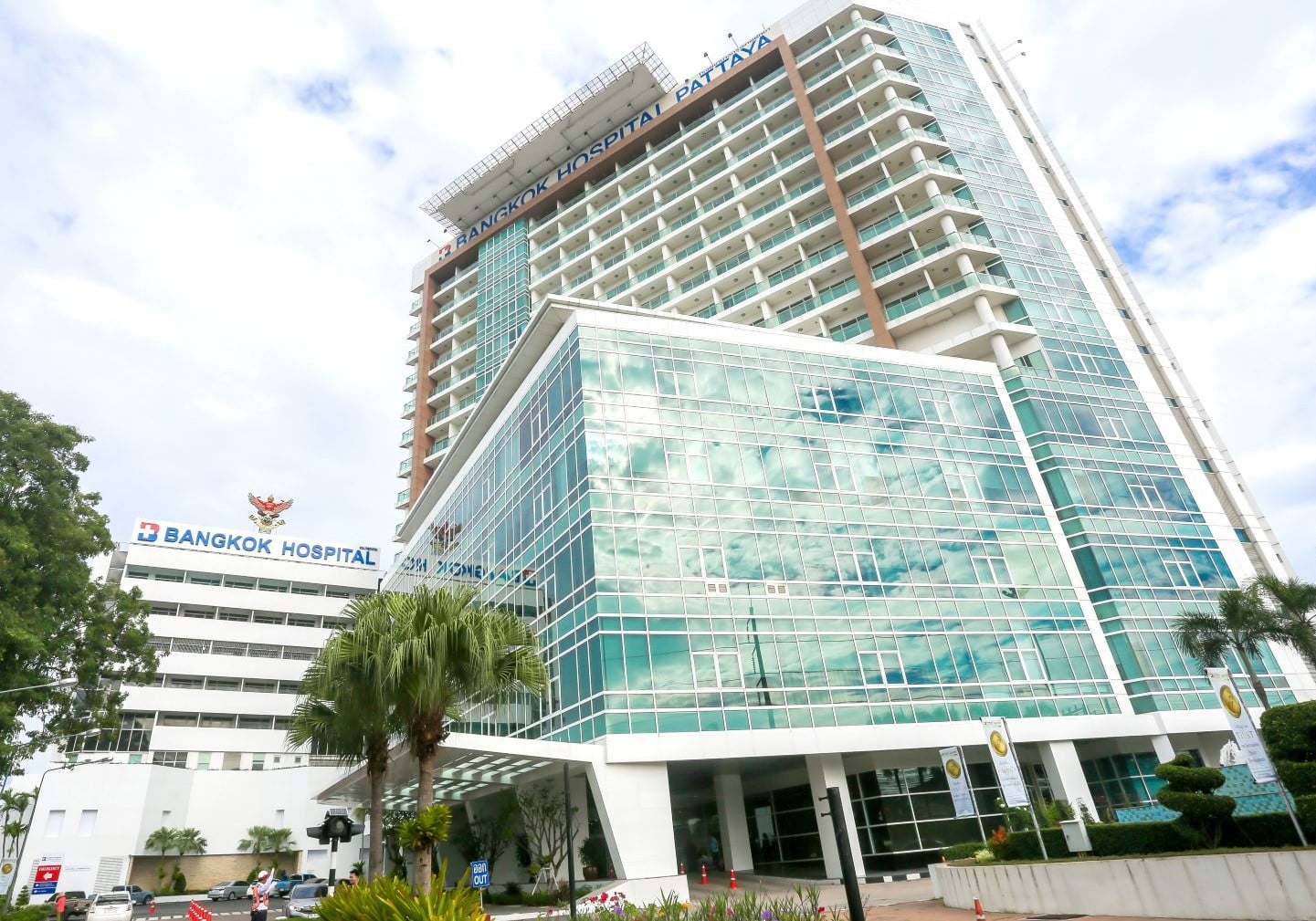
Bookimed Expert Insight: Bangkok’s Bumrungrad leads with 1 million patients yearly and robotic tech. Surgeons such as Dr Teanchai, experienced in laparoscopic surgery, add confidence. Pattaya’s Bangkok Hospital also holds JCI accreditation but fewer international patient reviews highlight it. This shows Bangkok remains the hub for top laparoscopic kidney cyst care.
Patient Consensus: Patients note Thailand clinics have clear communication and smooth scheduling. Many mention quick recovery and low pain after laparoscopic cyst removal. Several highlight the professionalism at Bangkok hospitals and the availability of specialists familiar with kidney cyst care.
How do I know if my kidney cyst is complex or cancerous when seeking treatment in Thailand?
Kidney cysts in Thailand are assessed using CT or MRI scans with the Bosniak Classification System. Simple cysts are benign, while complex cysts (Bosniak III or IV) have a higher cancer risk and usually need surgery.
- Imaging methods: CT scan with contrast or MRI provide detailed cyst structure.
- Bosniak classification: Categorises cysts from benign (I, II) to high cancer risk (III, IV).
- Complex cyst signs: Solid areas, thick walls, calcification, or contrast enhancement.
- Thai hospitals: Bumrungrad and Bangkok Hospital Pattaya hold JCI accreditation for quality.
- Treatment approach: Complex cysts often need partial nephrectomy, robotic or open surgery.
Bookimed Expert Insight: Bumrungrad International Hospital treats over 1 million patients yearly and has AI and digital imaging tech. This aids precise Bosniak classification and clear cyst differentiation. Smaller but JCI-accredited Bangkok Hospital Pattaya offers strong quality standards, letting patients choose between Bangkok and nearby Pattaya facilities based on convenience and hospital size.
Patient Consensus: Patients in Thailand highlight the importance of clear imaging reports with Bosniak categories. They note surgery options vary and hospital stays typically last 3–5 days. Many appreciate getting second opinions to confirm if cysts are complex or benign before deciding on surgery.
Why choose Thailand for kidney cyst treatment?
Thailand offers expert kidney cyst treatment with minimally invasive surgery and fast recovery. Top hospitals like Bumrungrad International are JCI-accredited, ensuring high-quality care and safety. Patients benefit from advanced diagnostics, no long waiting times, and smooth support for international visitors.
- Minimally invasive surgery: laparoscopic removal reduces pain and recovery time.
- Top hospitals: Bumrungrad International is renowned and JCI-certified for quality and safety.
- Fast access: consultations and treatments are usually scheduled within a week.
- International care: dedicated support for foreign patients smooths logistics and follow-up.
- Cost caution: patients are advised to avoid unnecessary tests and insist on itemised billing.
Bookimed Expert Insight: Thailand’s leading hospitals like Bumrungrad attract over 1 million patients yearly, half from overseas, reflecting strong global trust. Few kidney cyst packages appear, so patients often customise treatments. Knowing which hospital offers JCI accreditation helps pick safer, reliable care. Patients should watch for bundled packages; ordering separate tests can save money.
Patient Consensus: Patients say Thai doctors are skilled with kidney cysts but caution against extra unnecessary tests. They recommend buying medicines at hospitals for fair prices and bringing a Thai speaker for easier communication. Hospitals like Bumrungrad are well-known for excellent care but can be pricier.
Do I need to be a resident to receive kidney cyst treatment in Thailand?
No, residency is not required for kidney cyst treatment in Thailand. Thai private hospitals like Bumrungrad International welcome international patients and provide fast access to specialists and surgery.
- Residency requirement: Not needed for treatment in private hospitals
- Top hospitals: Bumrungrad International and Bangkok Hospital operate under Joint Commission International (JCI) standards
- Treatment options: Include monitoring, aspiration, sclerotherapy, and laparoscopic surgery
- International patient support: Visa medical letters and upfront cost estimates available
- Travel insurance: Australian insurance or proof of payment usually required upfront
Bookimed Expert Insight: Hospitals with JCI accreditation like Bumrungrad handle over 1 million patients yearly, half from abroad. Their full-service international patient departments help Australians with visa paperwork and upfront pricing, easing medical travel. This makes Thailand a smooth choice for quick kidney cyst care without residency.
Patient Consensus: Patients from Australia note they could see a urologist quickly without residency. They stress the importance of clear pricing and bringing someone who can translate or explain treatments. Thai hospitals offer help with visas and travel insurance, which calms nerves when organising treatment abroad.