Hydrocephalus Treatment Clinics in Thailand — AUD Prices


Medically reviewed by
Fahad Mawlood
What's the Cost of Hydrocephalus Diagnosis and Treatment in Thailand?
Hydrocephalus treatment cost in Thailand typically includes essential diagnostics like a neurosurgeon consultation, which runs from AUD $140 / ฿3,100 to AUD $210 / ฿4,800. Surgical options such as a craniotomy range from AUD $17,300 / ฿391,000 to AUD $24,800 / ฿561,000, while shunt surgeries cost between AUD $14,300 / ฿323,000 and AUD $24,100 / ฿544,000. Patients save approximately 40–60% compared to private healthcare in Australia. Prices depend on the shunt type and hospital choice in major hubs like Bangkok and Pattaya.
Typical Hydrocephalus Treatment Costs in Thailand
- Consultation with a neurosurgeon: AUD $140 / ฿3,100 – AUD $210 / ฿4,800
- Consultation with a neurologist: AUD $90 / ฿2,000 – AUD $210 / ฿4,800
- Craniotomy: AUD $17,300 / ฿391,000 – AUD $24,800 / ฿561,000
- Hydrocephalus surgeries, shunt surgeries: AUD $14,300 / ฿323,000 – AUD $24,100 / ฿544,000
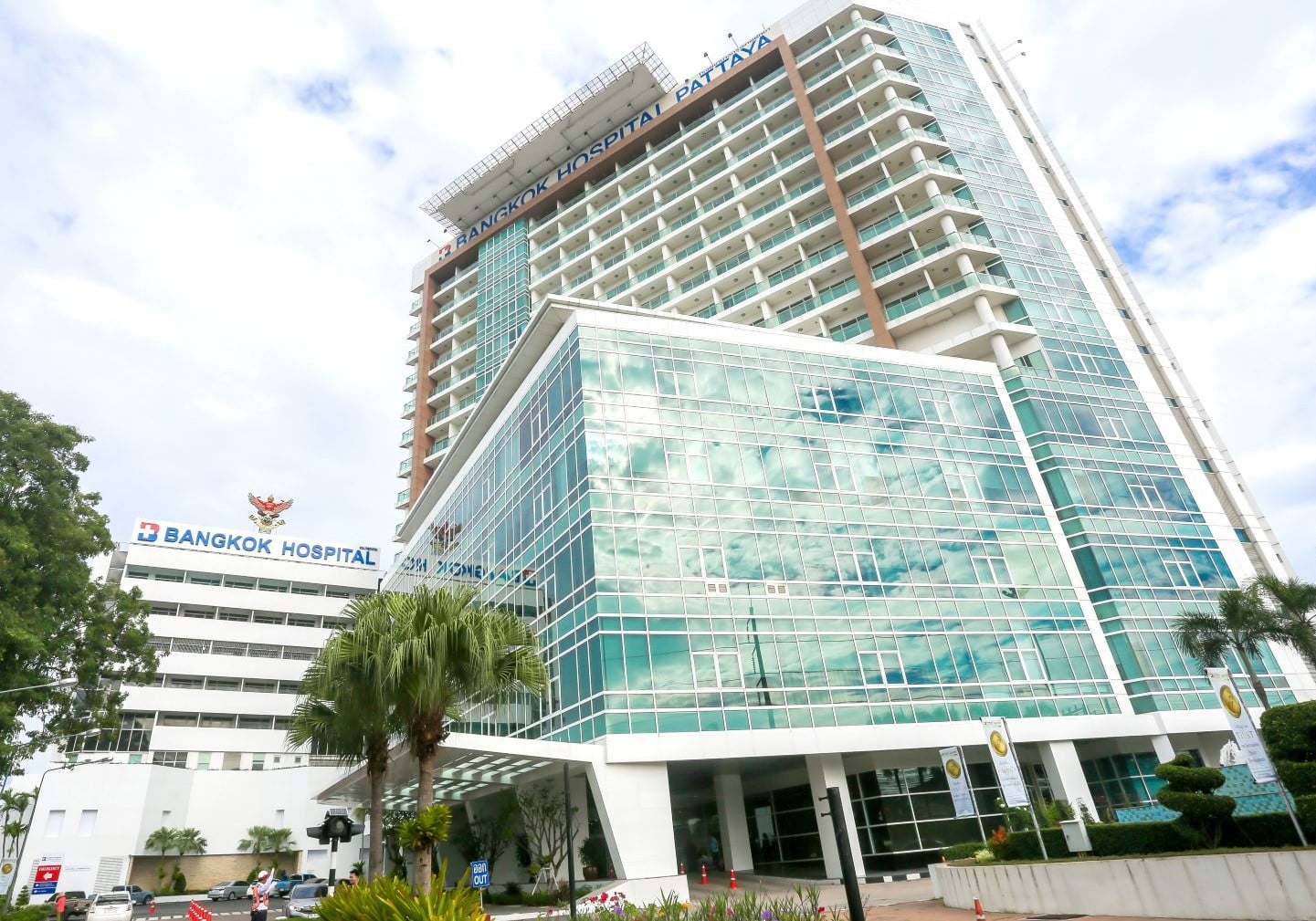
Bookimed Expert Insight: Patients requiring advanced neurosurgery should look at JCI-accredited facilities for the highest safety standards. Bumrungrad International Hospital treats over 1,000,000 patients annually and ranks among the world's most technologically advanced clinics. For those on the East coast, Bangkok Hospital Pattaya serves as a major neurosciences hub. These centres offer digital imaging and robotic surgery that provides a reliable alternative to long Australian waiting lists.
| Thailand | Turkey | |
|---|---|---|
| Hydrocephalus surgeries, shunt surgeries | ≈ AUD $14,300 / ฿323,000 | from AUD $6,800 / ฿153,000 |
| Craniotomy | ≈ AUD $17,300 / ฿391,000 | from AUD $9,800 / ฿221,000 |
Your Benefits and Guarantees with Bookimed
Transparent Prices & Flexible Installments
No hidden fees – just official clinic prices. Pay at the clinic for Hydrocephalus treatment and use a flexible instalment plan if needed.
Verified Clinics & Doctors Only
Bookimed is committed to your safety. We only work with medical institutions that maintain high international standards in Hydrocephalus treatment and have the necessary licenses to serve international patients worldwide.
Free 24/7 Assistance
Bookimed offers free expert assistance. A personal medical coordinator supports you before, during, and after your treatment, solving any issues. You're never alone on your Hydrocephalus treatment journey.

Your personal Bookimed medical coordinator
- Supports you at every stage
- Helps choose the right clinic and doctor
- Ensures quick and convenient access to information
Best Hydrocephalus Treatment Centres in Thailand for Australians: 2 Verified Options and AUD Prices











Get a Medical Assessment for Hydrocephalus in Thailand: Consult with Experienced Doctors Now
View all Doctors
Peerapong Montriwiwatchai
Dr. Peerapong Montriwiwatchai is an Assistant Professor of Neurosurgery at Bumrungrad International Hospital. He focuses on complex spine surgery and neurological interventions. Dr. Montriwiwatchai completed a fellowship in neurological surgery at Temple University Hospital in Philadelphia. He treats patients at a facility ranked among the top 10 best hospitals globally.
- Specializes in treating scoliosis, spondylolisthesis, and spinal cord abscesses.
- Performs surgical procedures including discectomy and vertebral plastic surgery.
- Holds a diploma from the Thai Board of Neurosurgery.
- Practices at a JCI-accredited center that serves over 1 million patients annually.
Share this content
Video Stories from Bookimed Patients
 Anna Leonova

Expert Overview about Hydrocephalus Treatment in Thailand
What are the success rates for hydrocephalus treatment in Thailand?
Thai neurosurgery centres report success rates between 60% and 90% for standard shunting procedures. For cases like aqueductal stenosis, endoscopic third ventriculostomy (ETV) succeeds in up to 100% of patients. Leading Bangkok hospitals use neurodynamic monitoring to improve reliability and patient outcomes.
- Procedure efficacy: Standard shunt surgeries usually maintain success rates from 60% to 90%.
- Symptom relief: Rapid initial improvement occurs in 80% to 91% of treated patients.
- ETV success: Endoscopic procedures for aqueductal stenosis can reach a 100% success rate.
- Accredited care: Facilities like Bumrungrad International Hospital hold JCI and GHA quality accreditations.
- Technology access: Major centres use digital imaging and robotic systems for precise surgical placement.
Bookimed Expert Insight: Thailand ranks fifth globally in our medical requests. This reflects deep experience in complex neurosciences. Bumrungrad International Hospital alone treats 1,000,000 patients annually with 1,300 specialists available. For Australians, this volume means surgeons often manage more hydrocephalus cases monthly than domestic specialists.
Patient Consensus: Patients emphasise that success depends on choosing established centres with intensive care units. Many recommend confirming a post-operative plan to manage potential shunt revisions before returning to Australia.
What types of surgical treatment for hydrocephalus are available in Thailand?
Thai hospitals provide surgical treatments for hydrocephalus through ventriculoperitoneal shunting and endoscopic third ventriculostomy. JCI-accredited facilities in Bangkok and Pattaya use neurodynamic monitoring to manage cerebrospinal fluid flow. Surgeons use digital imaging to provide precise placement and long-term shunt stability.
- Shunt procedures: Bypass excess fluid from the brain to the abdomen using internal valves.
- Endoscopic third ventriculostomy: Creates a small hole to allow fluid bypass without permanent implants.
- Specialised monitoring: Uses neurodynamic tracking to check shunt function during the recovery phase.
- Digital imaging: Employs digital systems to guide surgeons during complex craniotomy and shunt placements.
Bookimed Expert Insight: Thailand holds a significant global rank with 154 clinics specialising in complex neurological care. Major centres like Bumrungrad International Hospital manage over 1,000,000 patients annually. They also maintain 70 specialised departments. This high volume across diverse specialties supports better outcomes for patients requiring multidisciplinary neurological management.
Patient Consensus: Patients in Thailand often discuss whether a shunt or endoscopic third ventriculostomy suits their anatomy. They recommend confirming how long-term follow-up integrates with their return to Australia.
Which hospitals in Thailand are recommended for hydrocephalus treatment?
Leading JCI-accredited hospitals in Thailand, such as Bumrungrad International and Bangkok Hospital Pattaya, are highly recommended. These centres specialise in complex neurosurgery. They offer shunt placements and endoscopic third ventriculostomy (ETV). Most facilities provide 24/7 imaging and specialised intensive care units.
- Bumrungrad International: Serves 1,000,000+ patients annually with specialised neuroscience and robotic surgery units.
- Accreditation standards: Major centres hold JCI and GHA certifications for international patient safety.
- Specialised neurosurgery: Facilities perform craniotomies and shunt surgeries for adult and paediatric cases.
- Diagnostic imaging: Hospitals provide on-site MRI and CT scans for rapid intervention planning.
Bookimed Expert Insight: Bangkok's tertiary centres handle an immense volume of international cases. Bumrungrad reports that 50% of its one million annual patients come from overseas. This high volume means neurosurgical teams have seen diverse, complex hydrocephalus cases. This experience often leads to refined surgical outcomes and better postoperative management.
Patient Consensus: Patients in Thailand recommend choosing Bangkok-based tertiary hospitals for their English-speaking staff and emergency readiness. They note that having on-site neurosurgery departments and intensive care units is vital for rapid intervention.
How long is the required stay in Thailand for hydrocephalus treatment?
Patients typically require a 10 to 14-day stay in Thailand for hydrocephalus treatment. Hospitalisation usually lasts 3–4 days for monitoring after shunt surgery or endoscopic procedures. Surgeons recommend waiting at least 14 days before flying. This helps wounds heal and keeps intracranial pressure stable.
- Hospital stay: Most patients spend 3–4 days inpatient for monitoring and wound observation.
- ETV recovery: Endoscopic Third Ventriculostomy often requires a shorter 2–3 day hospital stay.
- Wound care: Incisions must stay dry for 10–14 days until stitches are removed.
- Flying safety: Specialists suggest waiting 14 days post-surgery before boarding long-haul flights to Australia.
Bookimed Expert Insight: Major centres like Bumrungrad International Hospital serve over 1,000,000 patients annually. However, neurosurgery stays remain highly individualised. Data shows that 50% of patients here are international. Due to this high volume, clinics often have teams to coordinate the 14-day recovery window.
Patient Consensus: Patients note the stay duration depends on monitoring and safe flight clearance. The surgery itself is usually shorter. In Thailand, doctors focus on making sure you are safe for travel after neurosurgical observation.
Do doctors in Thailand speak English during hydrocephalus consultations?
Thai neurosurgeons in major private hospitals are fluent in English. They regularly treat international patients for hydrocephalus. Facilities like Bumrungrad International Hospital serve over 500,000 overseas patients annually. Specialist neurosurgeons often hold US or UK training. This helps clear communication during shunt or craniotomy consultations.
- Expertise: Bumrungrad International Hospital employs 1,300 doctors, many with international training.
- Accreditation: JCI and Global Healthcare Accreditation help staff meet international communication standards.
- Support: Major centres provide international departments with dedicated interpreters for medical clarity.
- Volume: These hospitals manage over 1,000,000 patients yearly, maintaining high English proficiency.
Bookimed Expert Insight: Doctors at centres like Bangkok Hospital Pattaya speak fluent English. However, nursing and administrative staff have varying levels. Data shows that hospitals with Global Healthcare Accreditation (GHA) prioritise international patient pathways. Choosing a GHA-accredited facility helps the whole care team support English-speaking patients. This includes everyone from the anaesthetist to the ward nurse.
Patient Consensus: Patients find that preparation is key in Thailand. They suggest sending scans before arrival. It also helps to bring written questions about shunt options. Surgeons are highly articulate. Still, patients note that an international patient liaison makes hospital logistics smoother.