3 Best Carpal tunnel syndrome Treatment Clinics in Thailand — AUD Prices

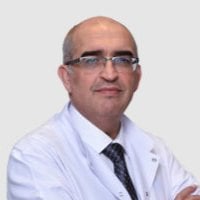
Medically reviewed by
Kayhan Turan
What's the Cost of Carpal tunnel syndrome Diagnosis and Treatment in Thailand?
| Thailand | Turkey | |
|---|---|---|
| Hand Reconstruction Surgery | ≈ AUD $5,300 / ฿119,000 | from AUD $22,300 / ฿503,200 |
Your Benefits and Guarantees with Bookimed
Transparent Prices & Flexible Installments
No hidden fees – just official clinic prices. Pay at the clinic for Carpal tunnel syndrome treatment and use a flexible instalment plan if needed.
Verified Clinics & Doctors Only
Bookimed is committed to your safety. We only work with medical institutions that maintain high international standards in Carpal tunnel syndrome treatment and have the necessary licenses to serve international patients worldwide.
Free 24/7 Assistance
Bookimed offers free expert assistance. A personal medical coordinator supports you before, during, and after your treatment, solving any issues. You're never alone on your Carpal tunnel syndrome treatment journey.

Your personal Bookimed medical coordinator
- Supports you at every stage
- Helps choose the right clinic and doctor
- Ensures quick and convenient access to information
Best Carpal tunnel syndrome Treatment Centres in Thailand for Australians: 3 Verified Options and AUD Prices



Get a Medical Assessment for Carpal tunnel syndrome in Thailand: Consult with Experienced Doctors Now
View all Doctors
Pongsathorn Sitthisen
Board-certified Orthopedic Surgeon specializing in Hand and Upper Extremity Surgery – Dr. Pongsathorn excels in treating nerve compression conditions like carpal tunnel syndrome.
- Sub-specialty training in Hand and Microsurgery at Chulalongkorn University
- Expert in surgical precision and functional outcomes for hand and wrist conditions
- Focuses on patient-centered care and personalized treatment plans
- Works at Menness Wellness Clinic with a dedicated orthopedics team
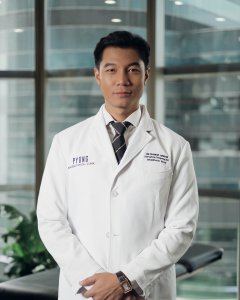
Kantaphong Thongrong
Dr. Kantaphong Thongrong combines advanced robotics and non-invasive techniques to enhance recovery for carpal tunnel syndrome at PYONG Rehabilitation Group.
- Board-certified physiatrist with expertise in ultrasound-guided interventions
- Specializes in chronic pain management and neurorehabilitation
- Founder of a premium rehabilitation center in Bangkok
- Integrates cutting-edge technologies like laser therapy and radio-frequency techniques
Pradab Pradasuk
Dr. Pradab Pradasuk is an orthopedic surgeon at Navamin 9 Hospital in Bangkok. He specializes in arthroscopy, knee reconstruction, and complex spine surgery. Dr. Pradasuk performs endoscopic discectomy and spinal fusion with instrumentation. He works at a JCI-accredited facility that treats 30,000 patients annually.
- Performs ACL surgery, meniscectomy, and total knee arthroplastic.
- Treats shoulder rotator cuff tears and performs ankle joint replacements.
- Manages fractures of the pelvis, spine, and forearm.
- Provides specialized rehabilitation using the Re-Step system.

Benjaporn Ngamratchada
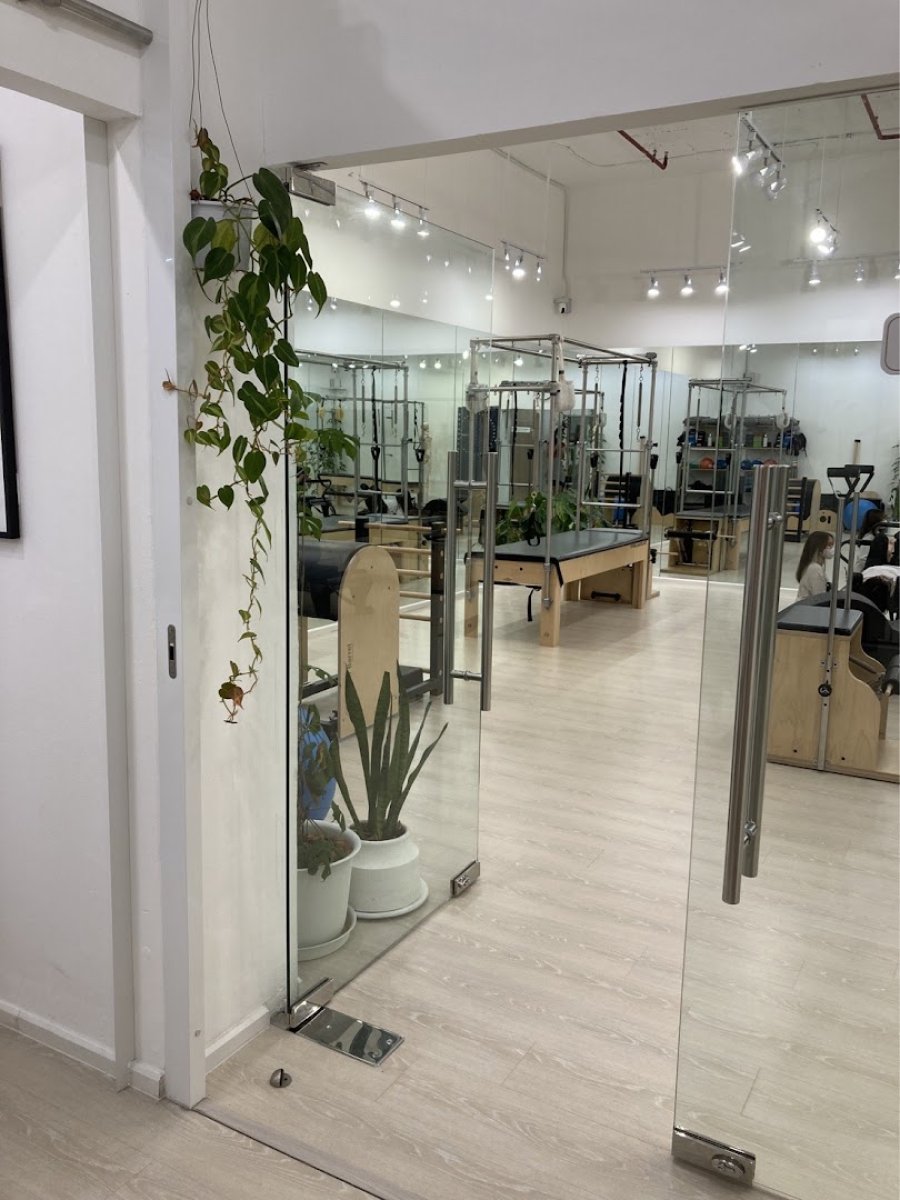
Benjaporn Ngamratchada is an experienced physiotherapist and Pilates specialist. She is the Clinic Manager at Le Physio Clinic and a Senior Physio Pilates Instructor at The Balance Pilates. She graduated with first-class honors in Physical Therapy from Mae Fah Luang University. She holds professional license no. 12676.
Her expertise includes musculoskeletal injuries, post-operative rehabilitation, and sports recovery. She combines Manual Therapy and Myofascial Release with Clinical Pilates. She treats complex cases such as scoliosis and herniated nucleus pulposus. She also provides prenatal, postnatal, and elderly care with a focus on long-term results.
Share this content
Video Stories from Bookimed Patients
 Anna Leonova
Expert Overview about Carpal tunnel syndrome Treatment in Thailand
Which hospitals and clinics in Thailand are recommended for carpal tunnel syndrome treatment?
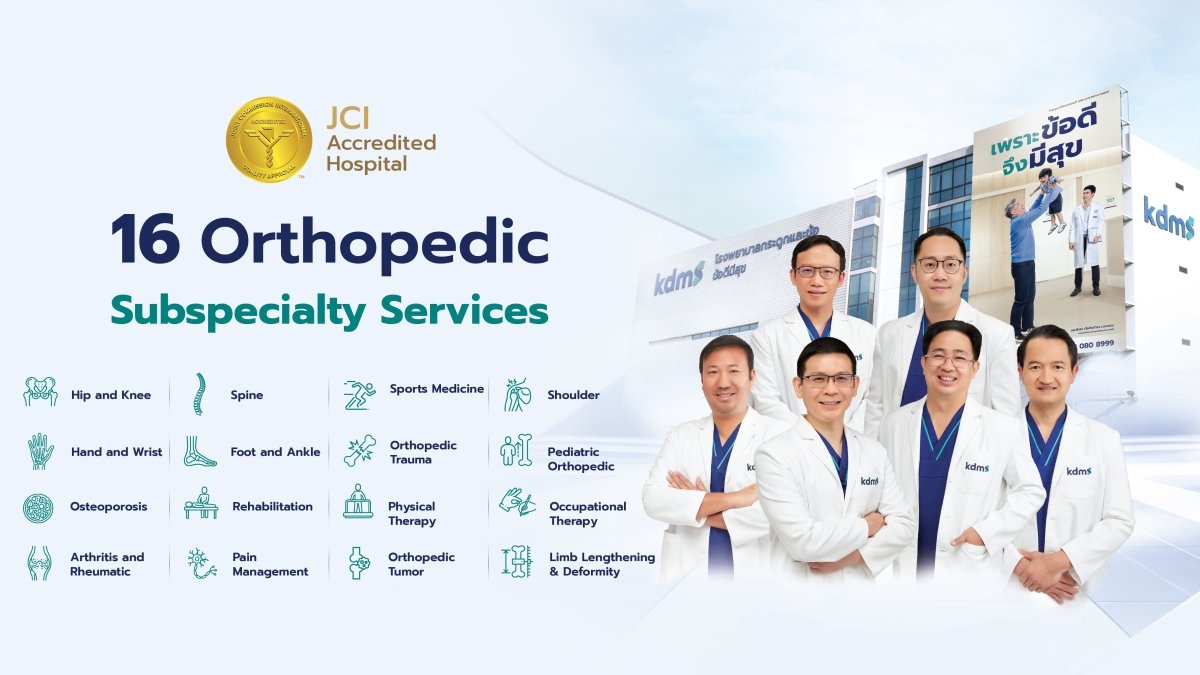
Recommended Thai clinics for carpal tunnel syndrome include KDMS Specialized Orthopedic Hospital and Sikarin Hospital. These Bangkok facilities offer JCI or AACI accreditation. They provide carpal tunnel release surgery and ultrasound-guided hydrodissection. Treatment is led by specialists trained in hand microsurgery and neurorehabilitation.
- KDMS Hospital: This dedicated orthopaedic facility uses robotic surgery assistants and minimally invasive techniques.
- Sikarin Hospital: A JCI-accredited centre serving 255,500 patients annually with free airport transfers.
- Dr Pongsathorn Sitthisen: A board-certified surgeon at Menness Wellness Clinic specialising in nerve compression.
- Dr Kantaphong Thongrong: A physiatrist at PYONG Rehabilitation Group trained in ultrasound-guided nerve hydrodissection.
Bookimed Expert Insight: Australian patients should note that KDMS is Thailand's first hospital focused solely on orthopaedics. This specialisation allows for a one-stop service where 50 doctors coordinate care in dedicated spaces. This structure often leads to faster recovery compared to general hospitals. Choosing a niche facility like this means the entire staff is expert in musculoskeletal recovery.
Patient Consensus: Patients suggest starting at major Bangkok hospitals like Bumrungrad for nerve tests and imaging. They recommend comparing specialist experience and total surgery package costs. Compare these between leading private groups and teaching-hospital wings like Siriraj Piyamaharajkarun. Bringing prior scans helps speed up the consultation process in Thailand.
What are the common non-surgical treatment options for carpal tunnel syndrome in Thailand?
Thailand offers non-surgical carpal tunnel treatments including ultrasound-guided hydrodissection and platelet-rich plasma (PRP) injections. These specialist clinics in Bangkok focus on relieving median nerve pressure without surgery. Core treatments like custom splinting and hand therapy are also widely available at JCI-accredited facilities.
- Nerve hydrodissection: Dr Kantaphong Thongrong uses ultrasound to release nerves from scar tissue with fluid.
- Specialist hand therapy: Physiatrists at PYONG Rehabilitation Group provide targeted exercises to improve joint mobility.
- Regenerative injections: PRP therapy uses the patient's own blood to reduce inflammation and heal tissue.
- Rigid wrist splinting: Specialists prescribe custom braces to prevent nerve compression while the patient sleeps.
- Ergonomic modification: Doctors at KDMS Specialized Orthopedic Hospital guide patients on workplace adjustments. These adjustments help reduce strain.
Bookimed Expert Insight: Thai rehabilitation specialists often hold dual qualifications in ultrasound-guided techniques and robotic neurorehabilitation. Dr Kantaphong Thongrong, for instance, combines Italian robotic training with local expertise in hydrodissection. This allows patients to access precise, image-guided injections. Many general practices elsewhere cannot offer these.
Patient Consensus: Patients in Thailand combine night splints with consistent nerve-gliding exercises and ergonomic desk changes. They find this provides the best long-term relief. Many note that steroid injections offer a helpful temporary window. During this time, patients can start intensive physiotherapy without pain.
What surgical techniques are used for carpal tunnel release in Thailand?
Thai orthopaedic surgeons use several techniques to treat carpal tunnel syndrome. These include traditional open release, endoscopic surgery, and locally developed minimally invasive methods like the Wongsiri technique. These procedures divide the transverse carpal ligament to relieve median nerve pressure. Specialists often perform these surgeries under local anaesthesia as outpatient procedures.
- Endoscopic release: Surgeons use tiny cameras and small incisions to speed up patient recovery times.
- Open release: This conventional method involves a 5 cm incision for direct ligament visibility.
- Wongsiri technique: Thai specialists use custom tools for a precise 1.5 cm keyhole incision.
- Hydrodissection: Dr Kantaphong Thongrong performs ultrasound-guided nerve release using fluid to free compressed nerves.
- Specialised centres: KDMS Specialized Orthopedic Hospital operates as Thailand's first dedicated facility for orthopaedics.
Bookimed Expert Insight: Thailand leads in niche hand surgery innovations like the ProMIS and MiniSURE kits. These locally invented tools allow surgeons to achieve endoscopic-level results through tiny incisions. They avoid the high cost of camera equipment. Patients should look for specialists like Dr Pongsathorn Sitthisen. He holds advanced microsurgery credentials from Chulalongkorn University. This helps ensure precise nerve decompression.
Patient Consensus: Patients in Thailand often undergo bilateral open release while awake under local anaesthesia. Many suggest confirming scar size preferences. They also recommend checking if follow-up care is bundled for those travelling from Australia.
How long do I need to stay in Thailand for carpal tunnel syndrome treatment and recovery?
Patients should plan to stay in Thailand for 10 to 14 days for carpal tunnel treatment. This timeframe covers the initial consultation, the surgical procedure, and critical wound monitoring. Staying for 2 weeks means surgeons can remove sutures before the long-haul flight back to Australia.
- Surgical timeline: Surgeons typically perform the release on day 2 after initial diagnostic nerve studies.
- Wound care: Specialists monitor the incision for 7 to 10 days to prevent post-operative infections.
- Suture removal: Non-dissolvable stitches are usually removed between day 10 and day 14 in Bangkok.
- Recovery variation: Endoscopic release allows for light tasks within days, while open surgery takes longer.
Bookimed Expert Insight: While most general hospitals offer carpal tunnel release, KDMS Specialized Orthopedic Hospital provides a dedicated orthopedic-only environment. This focus is beneficial because the hospital is designed as a one-stop service centre. For complex nerve compression, surgeons like Dr Pongsathorn Sitthisen bring specific microsurgery training from Chulalongkorn University. This is vital for protecting the median nerve during release.
Patient Consensus: Patients find that staying 1 to 2 weeks in Thailand provides a safety net for early wound healing. They note that symptom relief is often immediate. However, grip strength takes 4 to 8 weeks to return after flying home.