Calcific Tendinitis Treatment Clinics in Thailand — AUD Prices

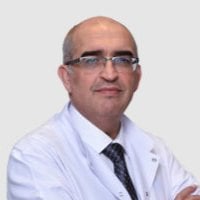
Medically reviewed by
Kayhan Turan
What's the Cost of Calcific Tendinitis Diagnosis and Treatment in Thailand?
| Thailand | Turkey | |
|---|---|---|
| Joint Injection | ≈ AUD $270 / ฿6,100 | from AUD $1,300 / ฿28,900 |
Your Benefits and Guarantees with Bookimed
Transparent Prices & Flexible Installments
No hidden fees – just official clinic prices. Pay at the clinic for Calcific Tendinitis treatment and use a flexible instalment plan if needed.
Verified Clinics & Doctors Only
Bookimed is committed to your safety. We only work with medical institutions that maintain high international standards in Calcific Tendinitis treatment and have the necessary licenses to serve international patients worldwide.
Free 24/7 Assistance
Bookimed offers free expert assistance. A personal medical coordinator supports you before, during, and after your treatment, solving any issues. You're never alone on your Calcific Tendinitis treatment journey.

Your personal Bookimed medical coordinator
- Supports you at every stage
- Helps choose the right clinic and doctor
- Ensures quick and convenient access to information
Best Calcific Tendinitis Treatment Centres in Thailand for Australians: 2 Verified Options and AUD Prices

Get a Medical Assessment for Calcific Tendinitis in Thailand: Consult with Experienced Doctors Now
View all Doctors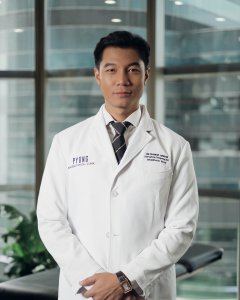
Kantaphong Thongrong
Dr. Kantaphong Thongrong combines rehabilitation medicine with advanced technology, specializing in non-invasive treatments like ultrasound-guided interventions for calcific tendinitis.
- Board-certified physiatrist with expertise in chronic pain management
- Pioneers the use of robotics and wearable exoskeletons in rehabilitation
- Founder and CEO of PYONG Rehabilitation Group
- Completed specialized workshops in MSK ultrasound and hydrodissection
- Instructor at King Mongkut’s Institute of Technology Ladkrabang
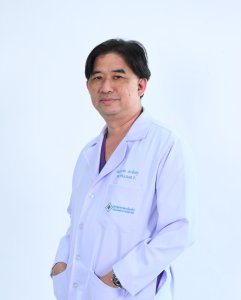
Pradab Pradasuk
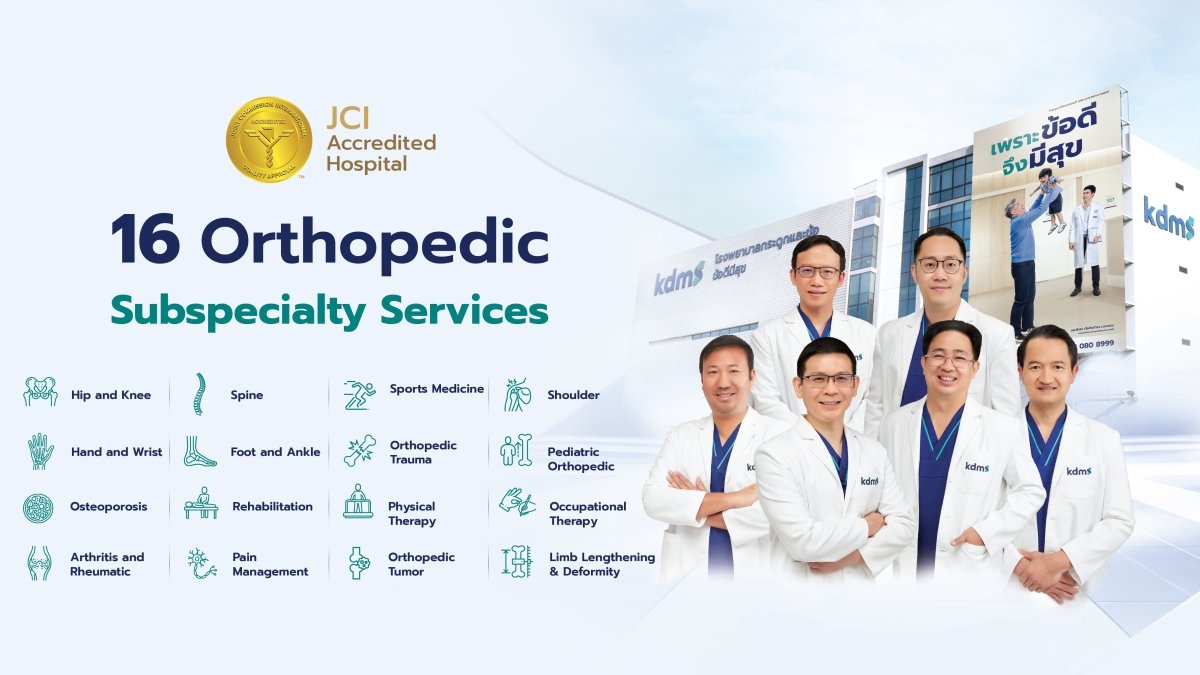
Dr. Pradab Pradasuk is an orthopedic surgeon at Navamin 9 Hospital in Bangkok. He specializes in arthroscopy, knee reconstruction, and complex spine surgery. Dr. Pradasuk performs endoscopic discectomy and spinal fusion with instrumentation. He works at a JCI-accredited facility that treats 30,000 patients annually.
- Performs ACL surgery, meniscectomy, and total knee arthroplastic.
- Treats shoulder rotator cuff tears and performs ankle joint replacements.
- Manages fractures of the pelvis, spine, and forearm.
- Provides specialized rehabilitation using the Re-Step system.
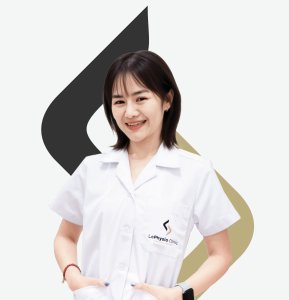
Benjaporn Ngamratchada
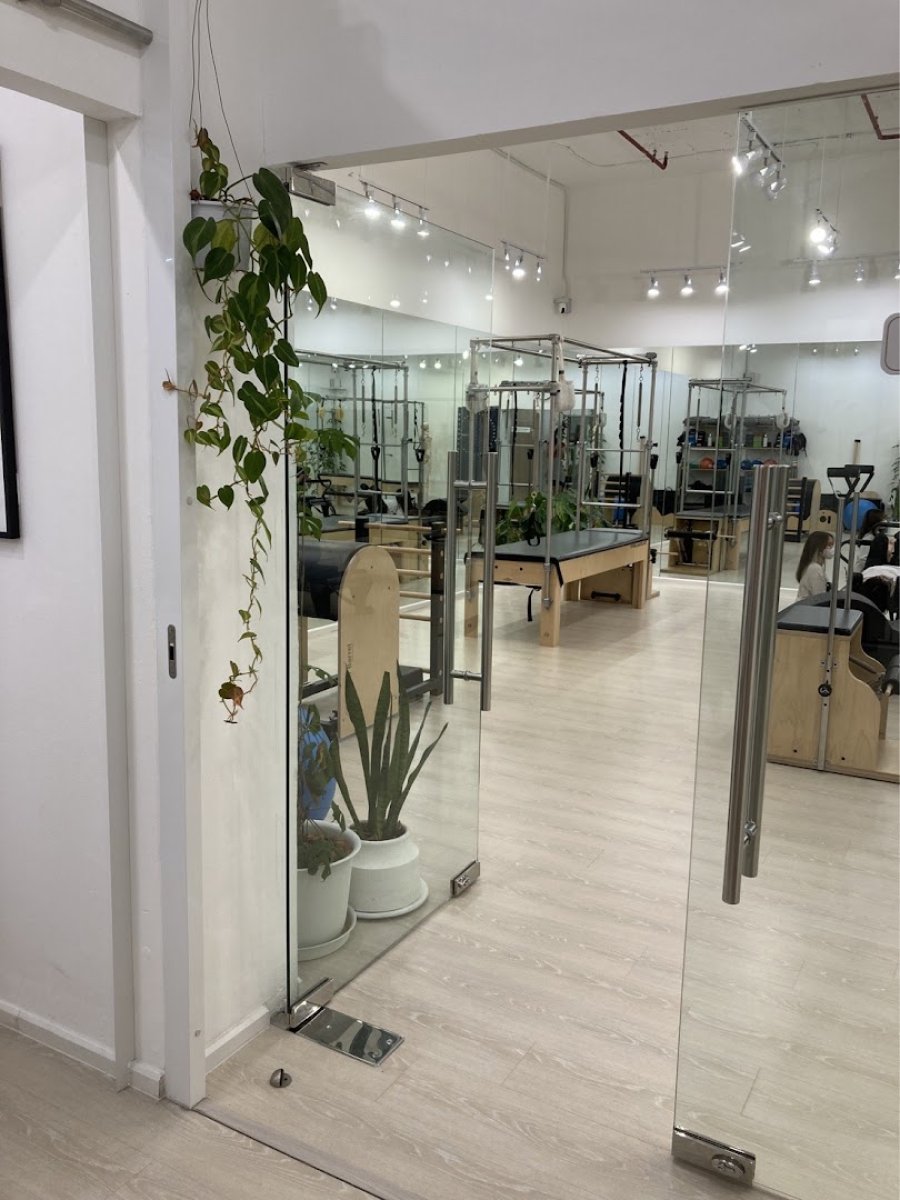
Benjaporn Ngamratchada is an experienced physiotherapist and Pilates specialist. She is the Clinic Manager at Le Physio Clinic and a Senior Physio Pilates Instructor at The Balance Pilates. She graduated with first-class honors in Physical Therapy from Mae Fah Luang University. She holds professional license no. 12676.
Her expertise includes musculoskeletal injuries, post-operative rehabilitation, and sports recovery. She combines Manual Therapy and Myofascial Release with Clinical Pilates. She treats complex cases such as scoliosis and herniated nucleus pulposus. She also provides prenatal, postnatal, and elderly care with a focus on long-term results.
Share this content
Video Stories from Bookimed Patients
 Anna Leonova
Expert Overview about Calcific Tendinitis Treatment in Thailand
What are the primary treatment options for calcific tendinitis in Thailand?
Thai medical centres treat calcific tendinitis using staged protocols, starting with shockwave therapy (ESWT) and ultrasound-guided barbotage. Advanced cases receive arthroscopic surgery at accredited hospitals in Bangkok and Phuket. Specialists use high-resolution imaging to precisely locate and remove calcium deposits from shoulder tendons.
- Non-invasive management: Physiotherapy centres use therapeutic ultrasound and targeted exercises to restore movement.
- Shockwave therapy: Clinicians apply high-energy acoustic waves to break down calcium deposits mechanically.
- Guided barbotage: Doctors use ultrasound to guide needles for flushing out chalky calcium buildup.
- Arthroscopic surgery: Surgeons perform keyhole procedures to excise deep deposits and decompress shoulder space.
Bookimed Expert Insight: Thai orthopaedic care stands out because major hubs like KDMS Specialized Orthopedic Hospital focus exclusively on musculoskeletal health. This concentration of expertise means patients access surgeons who treat over 1,000 cases annually. Specialists like Dr Kantaphong Thongrong further enhance recovery by integrating robotic neurorehabilitation and wearable exoskeletons into post-treatment therapy.
Patient Consensus: Patients note that ultrasound-guided lavage provides rapid relief, though consistent physiotherapy is essential to prevent stiffness. Many highlight that steroid injections offer a miracle for acute pain, helping them bridge the gap until permanent removal.
Is Extracorporeal Shock Wave Therapy (ESWT) widely accessible in Thailand for calcium deposits?
Extracorporeal Shock Wave Therapy (ESWT) is widely accessible in Thailand, particularly within major private hospitals and specialised orthopaedic clinics in Bangkok. Leading facilities use focused shockwaves to target deep calcium deposits in the shoulder or heel. Expert physiotherapists often combine ESWT with ultrasound-guided diagnostics for precise treatment.
- Clinic availability: Dedicated facilities like KDMS Specialized Orthopedic Hospital provide focused orthopaedic care.
- Expert supervision: Specialists like Dr Kantaphong Thongrong provide rehabilitation using international techniques.
- Diagnostic precision: Clinicians use X-rays or MRI to confirm the deposit size before therapy.
- Diverse providers: Services are available at JCI-accredited hospitals and standalone physiotherapy clinics.
Bookimed Expert Insight: Thai orthopaedic care is highly specialised. KDMS Hospital, for instance, operates as the country's first dedicated orthopaedic-only facility. Our data shows leading rehabilitation experts often have international training. For example, Dr Kantaphong Thongrong presented research in Perth, Australia. This global perspective helps Australian patients. They find familiar clinical standards and English-speaking staff in Bangkok's top-tier rehabilitation centres.
Patient Consensus: Patients note that while treatment sessions may feel uncomfortable, the therapy effectively improves range of motion over multiple visits. Most advise confirming that the facility offers focused shockwaves rather than standard radial therapy for deeper calcium deposits.
Which specialised hospitals or centres in Thailand are best for treating shoulder conditions like calcific tendinitis?
Leading Thai centres for calcific tendinitis include KDMS Specialized Orthopedic Hospital and Navamin 9 Hospital. These Bangkok facilities provide ultrasound-guided injections and arthroscopic surgery. Specialists focus on minimally invasive techniques. This leads to faster recovery for international patients seeking high-quality orthopaedic care.
- Specialised care: KDMS is Thailand's first dedicated bone and joint hospital with 50 doctors.
- Surgical expertise: Dr Pradab Pradasuk at Navamin 9 Hospital performs precise arthroscopic rotator cuff repairs.
- Non-surgical options: Dr Kantaphong Thongrong specialises in ultrasound-guided hydrodissection to treat chronic shoulder pain.
- Post-op recovery: Le Physio Clinic provides clinical Pilates and manual therapy for long-term shoulder mobility.
Bookimed Expert Insight: While major hospitals handle surgery, specialist rehabilitation clinics in Bangkok offer unique therapies. Dr Kantaphong Thongrong integrates robotics and hydrodissection, techniques often missing in standard surgical packages. Australian patients benefit from these targeted non-surgical methods which can sometimes avoid theatre entirely.
Patient Consensus: Patients recommend requesting a specific shoulder specialist rather than a general orthopaedic surgeon. Those visiting Bangkok value the speed of private hospital access for sports-related shoulder injuries.
When is arthroscopic surgery recommended over non-surgical treatments for calcific tendinitis in Thailand?
Arthroscopic surgery is recommended in Thailand when non-surgical treatments fail to resolve pain after 6 months. Specialists at centres like KDMS Specialized Orthopedic Hospital suggest surgery for chronic, disabling pain that disrupts sleep or movement. It is the preferred choice for hardened calcium deposits or concurrent rotator cuff tears.
- Treatment failure: Recommended if physiotherapy or injections provide no relief after 6 months.
- Chronic pain: Necessary when intense pain consistently disrupts daily activities and sleep patterns.
- Structural damage: Preferred when patients have associated issues like significant rotator cuff tears.
- Hard deposits: Surgeons like Dr Pradab Pradasuk use arthroscopy to cleanly remove hardened calcium.
Bookimed Expert Insight: Thai orthopaedic care uses highly specialised environments to speed up recovery. KDMS Specialized Orthopedic Hospital serves 1,000 patients annually as Thailand's first dedicated orthopaedic-only hospital. This narrow focus lets surgeons use minimally invasive techniques. They aim for faster rehabilitation than general hospitals. Patients should note that doctors like Dr Kantaphong Thongrong often integrate robotics into post-surgical recovery plans.
Patient Consensus: Patients in Thailand note that specialists usually exhaust options like shockwave therapy and barbotage before suggesting theatre. Most people emphasise that post-surgical rehabilitation is a long-term commitment. It often lasts 6 to 12 months.