Bladder cancer Treatment Clinics in Thailand — AUD Prices

Medically reviewed by
Yesim Yildirim
What's the Cost of Bladder cancer Diagnosis and Treatment in Thailand?
Bladder cancer treatment cost in Thailand generally includes a complex diagnosis running from AUD $1,400 / ฿30,600 to AUD $2,900 / ฿64,600 and primary surgical options. Bladder removal with reconstruction costs between AUD $22,700 / ฿510,000 and AUD $39,300 / ฿884,000, while standard bladder removal ranges from AUD $9,100 / ฿204,000 to AUD $36,200 / ฿816,000. Total expenses depend on the cancer stage and technology used. Patients typically save 60–80% compared to Australia and the United States in medical hubs like Bangkok and Pattaya.
Typical Bladder Cancer Treatment Costs in Thailand
- Bladder cancer complex diagnosis: AUD $1,400 / ฿30,600 – AUD $2,900 / ฿64,600
- PET/CT: AUD $2,000 / ฿44,200 – AUD $2,300 / ฿51,000
- Histopathology revision: AUD $380 / ฿8,500 – AUD $600 / ฿13,600
- Bladder removal with reconstruction: AUD $22,700 / ฿510,000 – AUD $39,300 / ฿884,000
- Bladder removal: AUD $9,100 / ฿204,000 – AUD $36,200 / ฿816,000
- Immunotherapy with Keytruda (Pembolizumab): AUD $5,400 / ฿122,400 – AUD $6,900 / ฿156,400
- Bacillus Calmette-Guérin (BCG) therapy: AUD $2,300 / ฿51,000 – AUD $3,900 / ฿88,400
- Hyperthermic intraperitoneal chemotherapy (HIPEC): AUD $20,400 / ฿459,000 – AUD $33,200 / ฿748,000
- Oncothermia: Price on request
- Actinium-225 therapy: AUD $36,200 / ฿816,000 – AUD $57,400 / ฿1,292,000
Bookimed Expert Insight: Advanced surgical needs are best met at JCI-accredited hubs like Bumrungrad International Hospital. Specialists there, such as Dr. Kittinut Kijvikai, use robotic-assisted techniques for complex bladder reconstruction. For patients seeking integrative care, Dr. Asawadech Sanbua offers 14+ years of expertise in radiotherapy and oncothermia. Larger centres provide integrated pathology labs, which verify diagnoses quickly for international patients.
| Thailand | Turkey | |
|---|---|---|
| Radiation therapy for colorectal cancer | ≈ AUD $11,300 / ฿255,000 | from AUD $9,100 / ฿204,000 |
| Immunotherapy with Keytruda (Pembolizumab) | ≈ AUD $5,400 / ฿122,400 | from AUD $4,200 / ฿95,200 |
| Hyperthermic Intraperitoneal Chemotherapy (HIPEC) | ≈ AUD $20,400 / ฿459,000 | from AUD $27,200 / ฿612,000 |
| Halcyon | ≈ AUD $13,600 / ฿306,000 | ≈ AUD $14,300 / ฿323,000 |
| Chemotherapy for gallbladder cancer | ≈ AUD $5,100 / ฿115,600 | ≈ AUD $3,300 / ฿74,800 |
Your Benefits and Guarantees with Bookimed
Transparent Prices & Flexible Installments
No hidden fees – just official clinic prices. Pay at the clinic for Bladder cancer treatment and use a flexible instalment plan if needed.
Verified Clinics & Doctors Only
Bookimed is committed to your safety. We only work with medical institutions that maintain high international standards in Bladder cancer treatment and have the necessary licenses to serve international patients worldwide.
Free 24/7 Assistance
Bookimed offers free expert assistance. A personal medical coordinator supports you before, during, and after your treatment, solving any issues. You're never alone on your Bladder cancer treatment journey.

Your personal Bookimed medical coordinator
- Supports you at every stage
- Helps choose the right clinic and doctor
- Ensures quick and convenient access to information
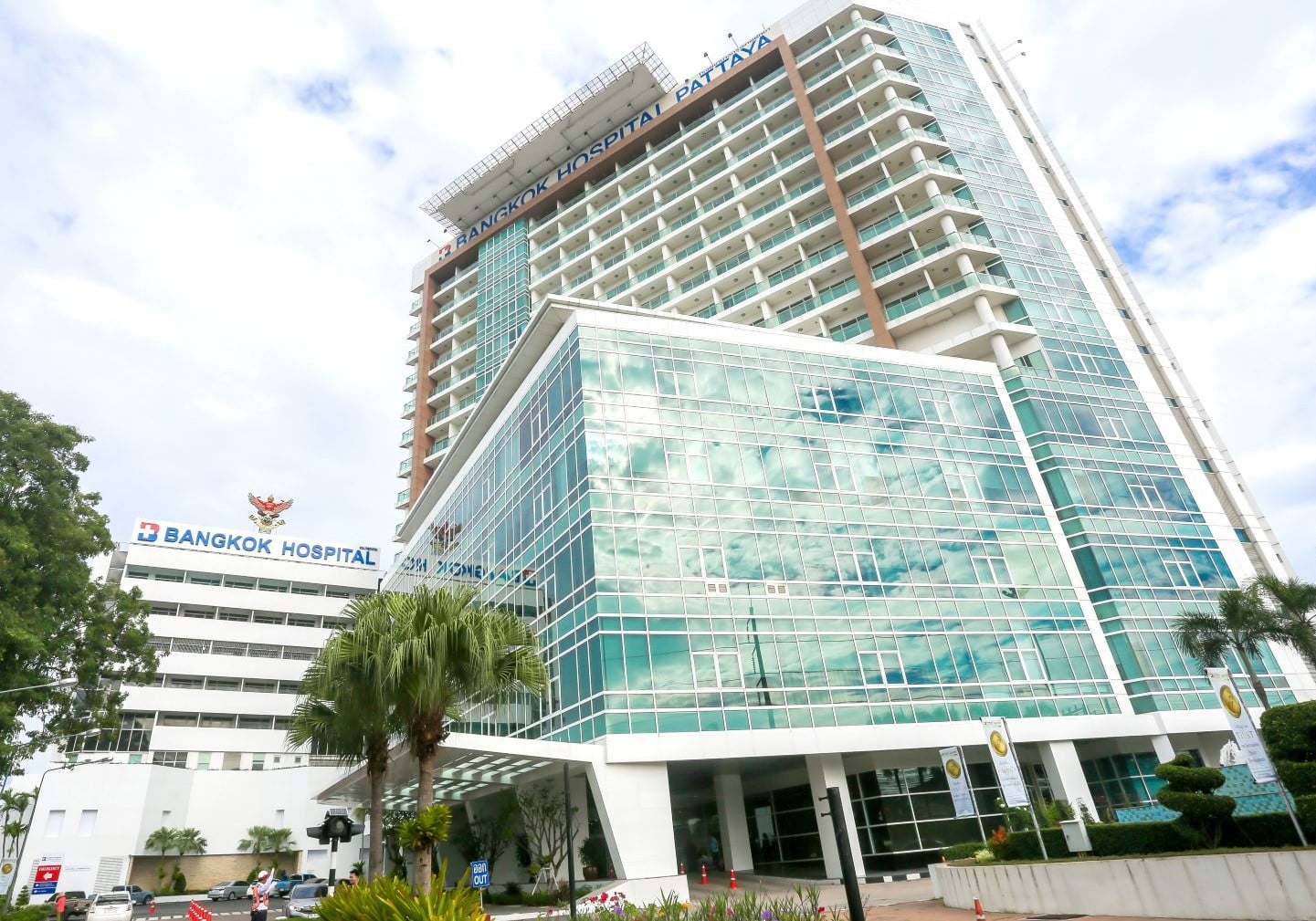
Best Bladder cancer Treatment Centres in Thailand for Australians: 2 Verified Options and AUD Prices











Get a Medical Assessment for Bladder cancer in Thailand: Consult with Experienced Doctors Now
View all Doctors
Ohm Sudchumphae
Dr. Sudchumphae combines integrative oncology with conventional treatments, offering a holistic approach to bladder cancer care at Panacee Hospital Rama2.
- Certified in integrative oncology by the American Institute of Integrative Oncology
- Trained in clinical nutrition and functional medicine
- Holds multiple advanced degrees in medical and health sciences

asawadech Sanbua
19 years of radiotherapy expertise – Dr. Sanbua specializes in bladder cancer treatment at Panacee Hospital Rama2.
- Expert in oncothermia therapy for cancer treatment
- Trained in palliative care at Khon Kaen University
- Certified in advanced treatment planning (2D, 3D, IMRT, VMAT)
- Provides comprehensive cancer therapies including immunotherapy

Kittinut Kijvikai
Dr. Kittinut Kijvikai specializes in robotic-assisted surgery for bladder cancer at Bumrungrad International Hospital, with research-backed expertise.
- Expert in robotic da Vinci prostatectomy and bladder cancer procedures
- Published research on neoadjuvant therapy's impact on prostate cancer outcomes
- Contributed to studies on robotic cystectomy benefits for bladder cancer
- Focuses on improving surgical outcomes through advanced techniques
Share this content
Video Stories from Bookimed Patients
 Anna Leonova
Expert Overview about Bladder cancer Treatment in Thailand
Is bladder cancer treatment provided in Thailand safe and reputable?
Bladder cancer treatment in Thailand is safe and reputable. Leading facilities like Bumrungrad International Hospital and Bangkok Hospital Pattaya hold JCI accreditation. Specialist surgeons use the da Vinci robotic system for precise bladder removal. These centres follow international NCCN protocols for oncology care.
- Accredited facilities: Bumrungrad International Hospital holds JCI, GHA, and ISO certifications for safety.
- Expert specialists: Dr Kittinut Kijvikai specialises in robotic-assisted cystectomy and intra-corporeal urinary diversion.
- Modern technology: Specialists like Dr Asawadech Sanbua use VMAT and IMRT radiation planning.
- Specific therapies: Centres provide hyperthermic intraperitoneal chemotherapy (HIPEC) and Bacillus Calmette-Guérin (BCG) therapy.
Bookimed Expert Insight: Thailand serves over 1,000,000 patients annually. Roughly 50% of these patients arrive from overseas. This volume has created efficient pathways for international patients. Doctors like Dr Asawadech Sanbua have 10+ years of radiotherapy experience. They combine this with integrative methods like oncothermia. This dual approach offers patients more options than standard oncology centres alone.
What is the expected success rate for bladder cancer treatment in Thailand?
Thai medical centres report 5-year survival rates exceeding 90% for early-stage bladder cancer. Treatment at JCI-accredited facilities in Bangkok matches international standards. Specialists employ robotic-assisted surgery and immunotherapies to achieve these outcomes. Success relies on early diagnosis and precise follow-up care.
- Early-stage survival: Non-muscle invasive cases show survival rates between 90% and 96%.
- Advanced stage outcomes: Localised bladder cancer typically maintains a 70% 5-year survival rate.
- Robotic surgery: Dr Kittinut Kijvikai at Bumrungrad International Hospital specialises in robotic-assisted cystectomy.
- Specialised technology: Centres like Panacee Hospital Rama 2 offer oncothermia and targeted radiation therapies.
Bookimed Expert Insight: Thailand's high success rates for urology stem from high patient volumes. Bumrungrad International Hospital treats over 1,000,000 patients annually. This vast experience means specialists handle rare complications more effectively than lower-volume centres. Australian patients benefit from doctors like Dr Asawadech Sanbua, who has over 10 years of experience in radiotherapy planning.
What are the common bladder cancer treatment options available in Bangkok?
Bladder cancer treatment in Bangkok includes robotic-assisted surgery, immunotherapy with Keytruda, and intravesical BCG therapy. Specialists at JCI-accredited facilities like Bumrungrad International Hospital perform bladder removals and reconstructions. Specialised options such as Actinium-225 therapy and oncothermia are also available for complex cases.
- Robotic cystectomy: Dr Kittinut Kijvikai performs robotic-assisted bladder removal to improve precision.
- Intravesical therapy: Surgeons use BCG or chemotherapy directly in the bladder after tumour removal.
- Radiotherapy: Centres provide VMAT and IMRT techniques for precise bladder-preserving radiation.
- Integrative oncology: Dr Asawadech Sanbua uses oncothermia and immunotherapy to support standard treatments.
Bookimed Expert Insight: Bangkok's oncology infrastructure supports high-volume multidisciplinary care. Bumrungrad International Hospital alone serves 1,000,000 patients annually. Our data shows that top Thai centres integrate robotic systems like da Vinci with hyperthermia machines. This allows specialists to manage surgical resection and adjuvant therapy within one coordinated programme.
Patient Consensus: Patients in Thailand note that transurethral resection is usually the first diagnostic step. They recommend confirming that staging scans and pathology reviews are finished before travel. Most value the shorter waiting times and clear follow-up plans provided for their return to Australia.
How long is the typical recovery stay for bladder cancer treatment in Thailand?
Patients should plan for 7 to 21 days in Thailand for bladder cancer treatment. Minor tumour removals require 7 to 10 days locally. Major bladder reconstructions need a 14 to 21 day stay. Surgeons advise 10 days of recovery after discharge before long-haul flights.
- Minor procedures: TURBT patients typically spend 1 to 4 days in a hospital ward.
- Major surgeries: Radical cystectomy involves approximately 14 to 21 days for healing and reconstruction.
- Robotic assistance: Using da Vinci systems often reduces hospital stays to roughly 5 days.
- Travel safety: A 10-day post-hospital stay helps prevent clots during flights back to Australia.
Bookimed Expert Insight: Thai oncology centres like Bumrungrad International Hospital use robotic-assisted surgery. This can significantly reduce inpatient time. While standard major surgery requires 2 weeks, robotic techniques often allow discharge within 5 days. Australian patients should choose JCI-accredited facilities in Bangkok for international safety standards during this recovery window.
Are surgeons and medical staff in Thailand fluent in English?
Surgeons and medical staff at private Thai hospitals are typically fluent in English. Many specialists hold certifications from Australia or the United States. Lead oncologists at major centres in Bangkok and Pattaya communicate complex treatment plans directly in English.
- Expertise level: Leading urologists like Dr Kittinut Kijvikai publish international research in English.
- Clinical volume: Bumrungrad International Hospital serves over 1,000,000 patients annually including many English speakers.
- Accreditation standards: Facilities hold Joint Commission International (JCI) accreditation. This requires clear patient communication.
- Team support: Most hospitals maintain dedicated international departments to help with complex medical translations.
Bookimed Expert Insight: While doctors are highly fluent, English levels amongst ward staff can vary. Patients should look for hospitals like Bumrungrad where half of the patients are international. This high volume means the entire care team follows English-speaking protocols daily.
Patient Consensus: Patients note that specialists in Bangkok explain procedures clearly in English. They recommend having a support person to double-check written discharge instructions and everyday bedside requests.
Do I require a specific visa for medical treatment in Thailand?
Australian citizens typically enter Thailand on a 60-day visa exemption for medical treatment. Stays over 60 days or involving complex bladder cancer care require a Tourist Visa (MT). Another option is the new Destination Thailand Visa. Certified facilities like Bumrungrad International Hospital help with the necessary immigration paperwork.
- Tourist visa (MT): Valid for treatments under 60 days with a single entry option.
- Destination Thailand visa: Supports long-term medical care for stays up to 180 days.
- Hospital documentation: Requires a letter from a certified Thai facility confirming the schedule.
- Financial proof: Evidence of adequate funds and accommodation is required for longer stays.
Bookimed Expert Insight: Thailand is a major oncology hub. Bumrungrad International Hospital alone serves 1,000,000 patients annually. As half their patients are international, these large centres have departments to manage visa extensions. Patients should request an official appointment letter before flying to avoid issues at immigration.
Patient Consensus: Many patients enter Thailand on a standard tourist permit. They then arrange extensions once the treatment schedule is confirmed. It is essential to carry hospital correspondence and scans when travelling to show immigration officers if asked.