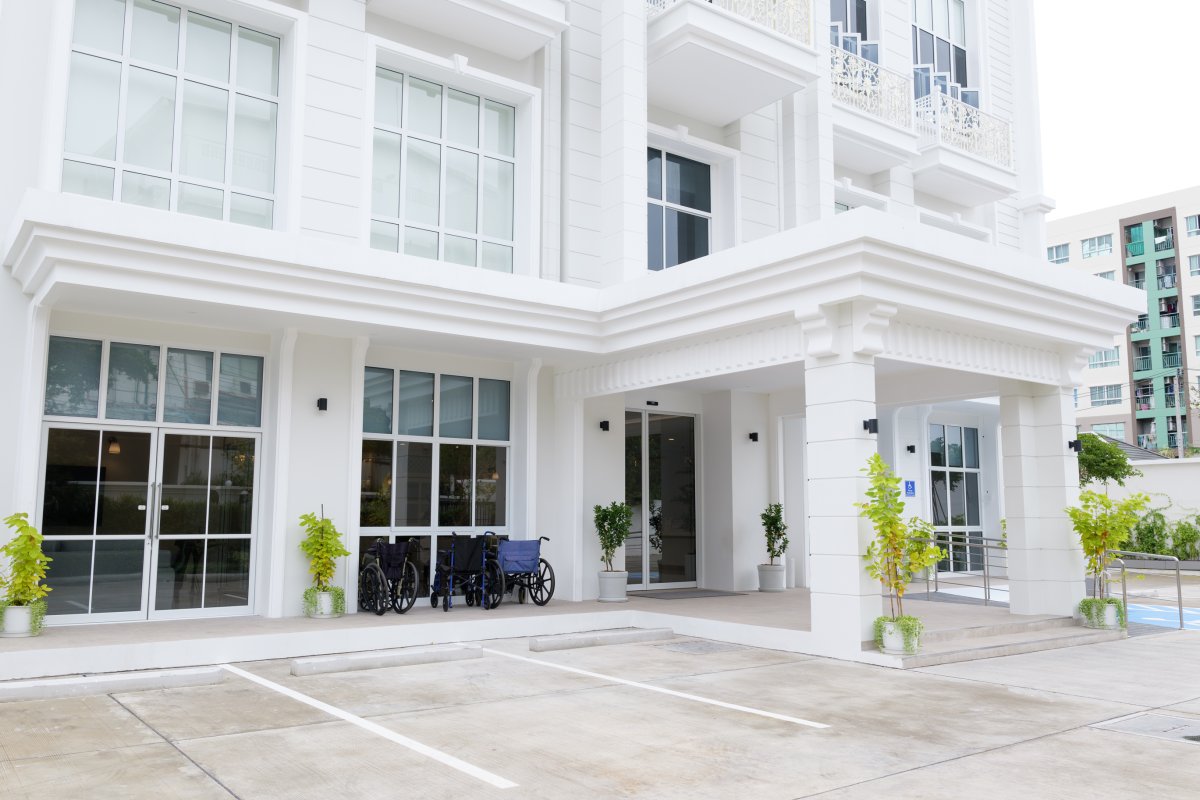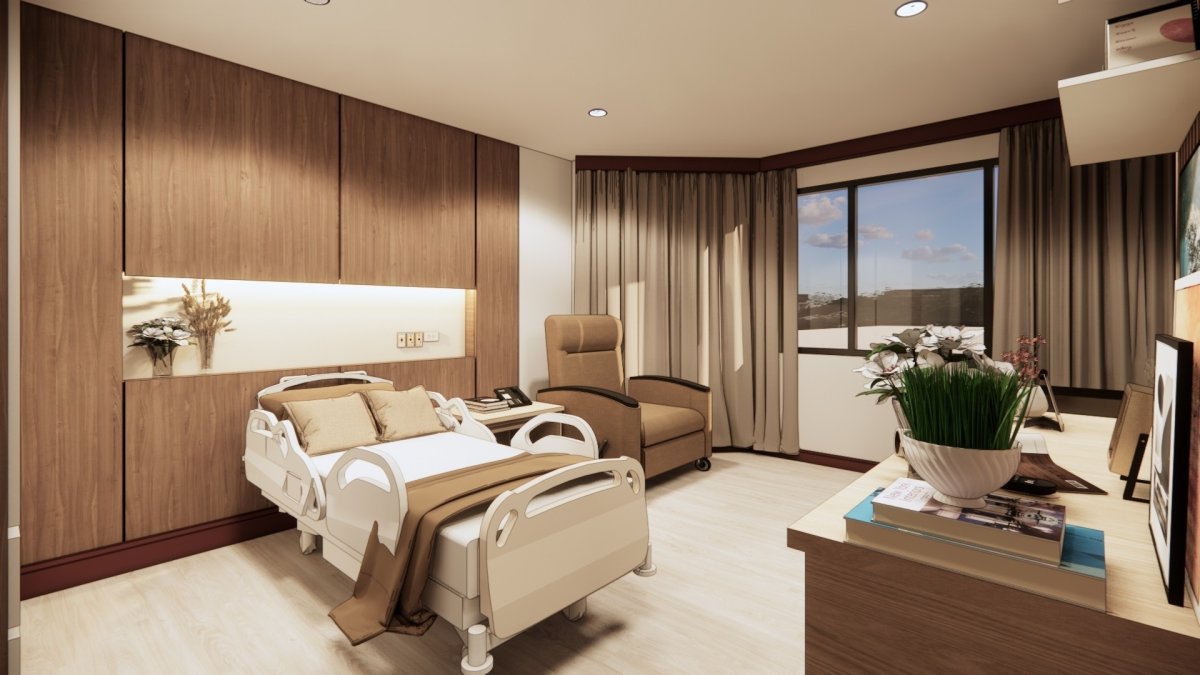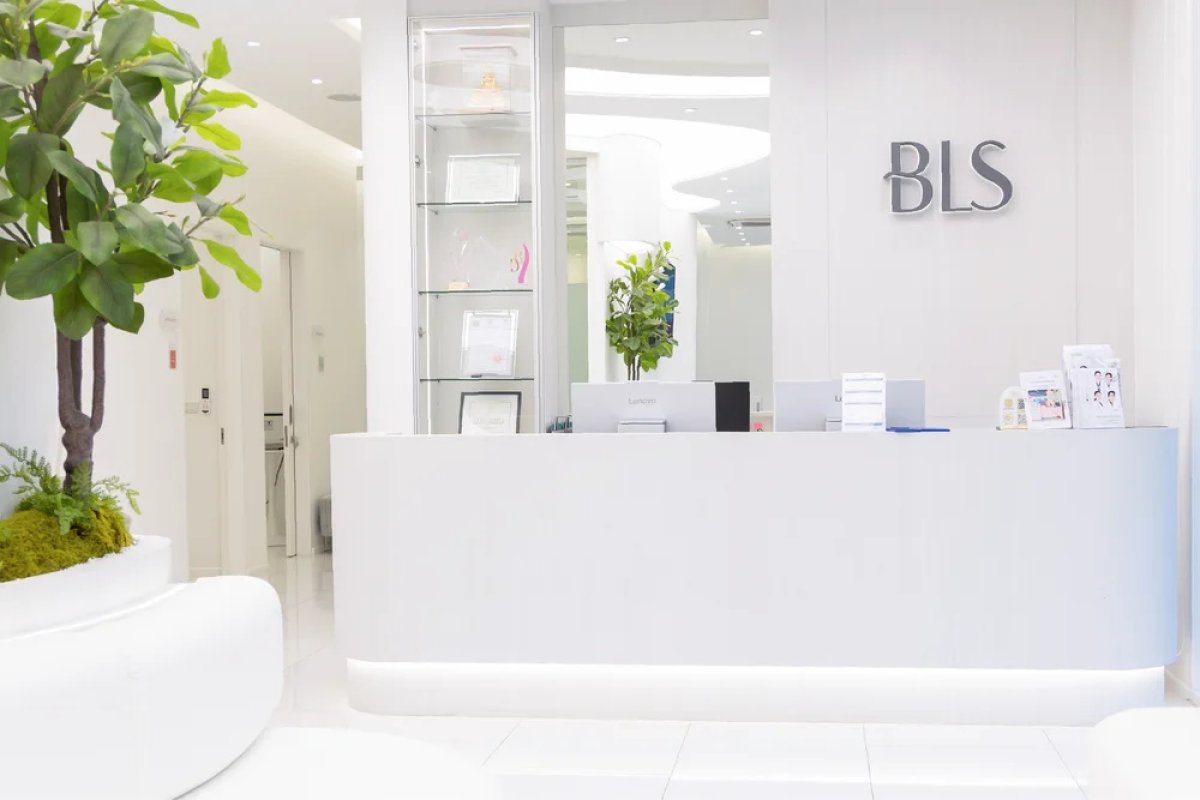
Panacee Hospital Rama 2 - Integrative Chronic Disease & Regenerative Center
Thailand, Bangkok
Clinic is certified : 

Medically reviewed by
Antonio Russi
Alzheimer's disease treatment cost in Thailand typically includes diagnostic essentials like an ECG, which costs AUD $23 / ฿510 – AUD $75 / ฿1,700. Primary interventions such as stem cell therapy for Alzheimer's disease range from AUD $10,800 / ฿244,800 to AUD $28,600 / ฿646,000. Expenses depend on the disease stage and specific therapy protocols. Patients generally save 50–70% compared to costs in Australia and the United States. Bangkok is the primary hub for these neurological treatments.
Typical Alzheimer's Disease Treatment Costs in Thailand
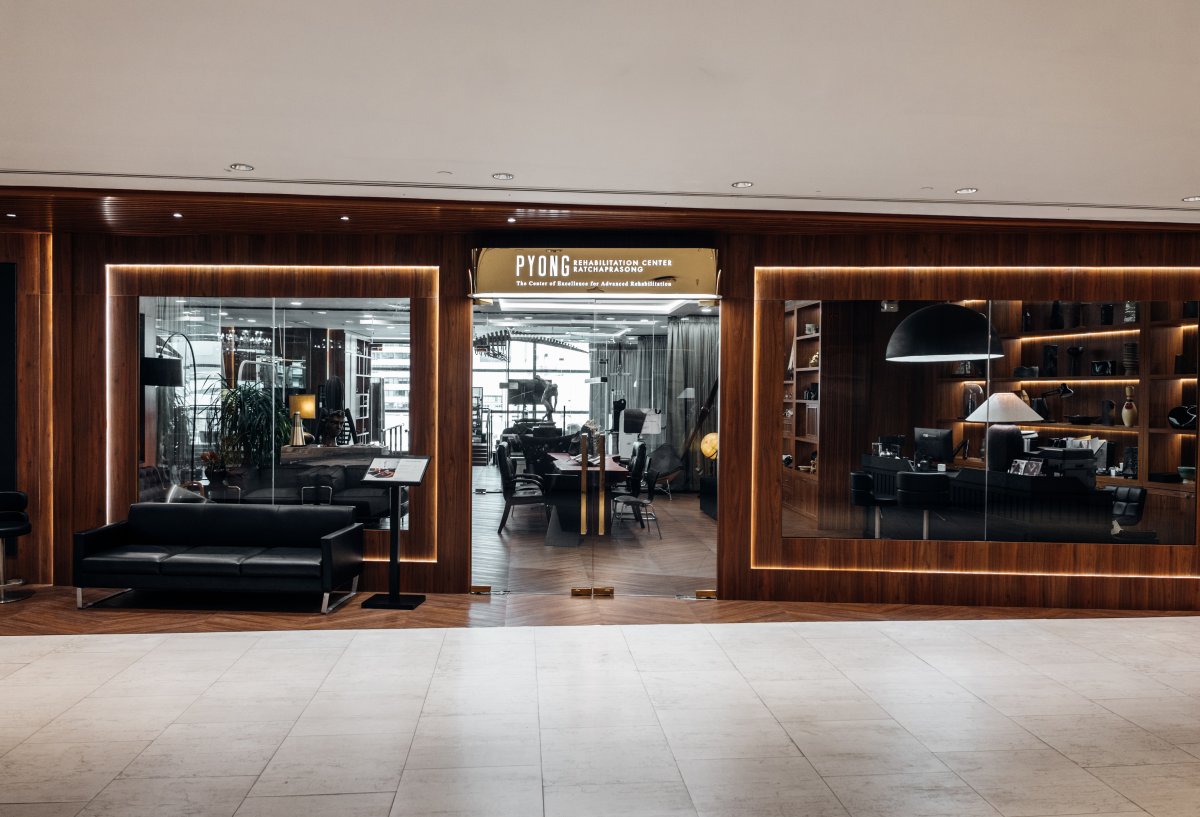
Bookimed Expert Insight: Patients seeking innovative neurorehabilitation find tailored programs at PYONG Rehabilitation for approximately A$4,200. These programs use robotic gait training and brain stimulation therapy supervised by board-certified physiatrists. For regenerative approaches, Panacee Hospital offers GMP-certified cell therapy packages. These include blood tests and transfers for about A$10,100, providing cellular-level care at JCI-accredited standards. Specialists like Dr. Kantaphong Thongrong bring international experience, including research presented in Australia, to patient care.
| Thailand | Turkey | |
|---|---|---|
| Stem cell therapy for Alzheimer's disease | from AUD $10,800 / ฿244,800 | from AUD $15,800 / ฿357,000 |
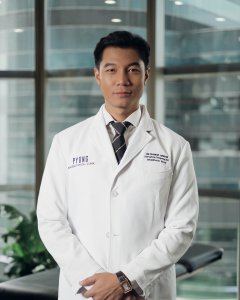

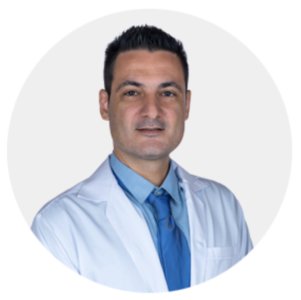
Specialized in Regenerative Medicine with training from the American Board of Regenerative Medicine. Dr. Thongthaisin brings a unique approach to Alzheimer's care at Vega Clinic.
Dr. PYONG specializes in neurorehabilitation and geriatric care, integrating advanced robotics and non-invasive technologies for better outcomes.

Geriatrician with a focus on Alzheimer's disease – Dr. Thititagul combines clinical practice with academic research.
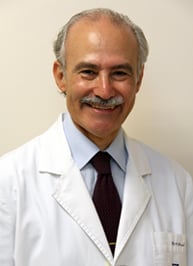
Doctor of Osteopathy with specialized training in non-traditional and holistic approaches to Alzheimer's disease management at Vega Clinic.
 Anna Leonova
Thailand provides high-quality Alzheimer's care through JCI-accredited hospitals and specialised clinics. Facilities use neurorehabilitation and regenerative medicine, including GMP-certified stem cell therapies. Leading centres employ specialists with international training, often from Australia or the USA. This provides rigorous medical standards for international patients.
Bookimed Expert Insight: Thailand's medical landscape has a unique concentration of Australian-linked expertise. Specialists like Dr Kantaphong Thongrong and Dr Ornicha Thititagul have clinical ties to Perth and Sydney. This creates a bridge for Australian patients. Their programs often integrate robotic exoskeleton training with regenerative therapies. This combined approach is rarely bundled so affordably elsewhere.
Patient Consensus: Patients find the private care in Thailand exceptional. However, they note that facilities vary significantly. Families recommend verifying if a hospital has a dedicated memory clinic. They also emphasise planning for long-term supervision and medication monitoring after the initial treatment phase.
Doctors treating Alzheimer's in Thailand specialise in neurodegenerative diseases. They typically hold board certifications in neurology, rehabilitation medicine, or geriatric care. Many specialists at major Bangkok centres have completed fellowships in cognitive disorders and Alzheimer's biomarkers.
Bookimed Expert Insight: Thai hospitals often combine neurology with rehabilitation for better outcomes. Specialists like Dr Kantaphong Thongrong combine medical oversight with robotic gait training. This multi-disciplinary approach is refined through international training, including at the University of Sydney. This makes these doctors well-versed in standards used in Australia.
Patient Consensus: Patients recommend checking if a neurologist or geriatric psychiatrist leads the team. Thai centres often provide research updates on biomarkers to track treatment progress effectively.
Thailand offers multimodal Alzheimer’s care featuring conventional medications, neurorehabilitation, and regenerative therapies. Treatment plans typically integrate cholinesterase inhibitors with technologies like robotic gait training. Specialist clinics in Bangkok provide mesenchymal stem cell (MSC) therapy alongside cognitive rehabilitation to manage symptom progression.
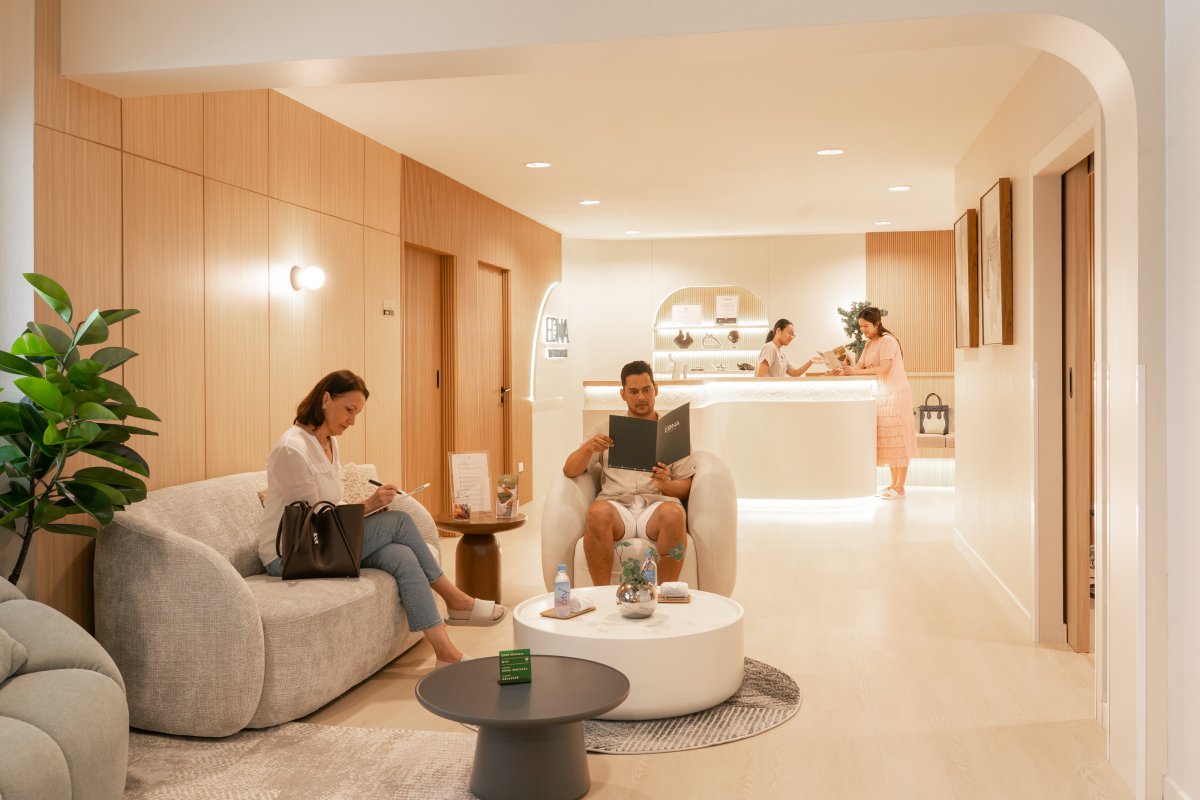
Bookimed Expert Insight: Thai clinics like PYONG Rehabilitation and EDNA Wellness bridge new technology with geriatric care. For example, Dr Kantaphong Thongrong and Dr Ornicha Thititagul have clinical experience from Australia. This makes these centres highly attuned to Australian medical standards. This familiarity often results in better-coordinated care for international patients seeking neurorehabilitation or stem cell treatments.
Specialised Alzheimer's and memory clinics in Thailand operate within major JCI-accredited hospitals in Bangkok. Dedicated neurorehabilitation centres also provide these services. These facilities offer memory evaluations, cognitive testing, and specialised therapies. Key locations include Bumrungrad International Hospital and centres like PYONG Rehabilitation.
Bookimed Expert Insight: Thai clinics often bridge the gap between diagnosis and long-term recovery. For example, PYONG Rehabilitation is led by Dr Kantaphong Thongrong. He has presented geriatric research in Australia. Their packages start around A$4,100. These focus on active brain stimulation techniques like TMS rather than passive care. This expertise helps patients seeking structured cognitive recovery protocols after an initial diagnosis.
Patient Consensus: Patients note it is important to request a dedicated memory clinic or dementia assessment. Bangkok is the primary hub for these coordinated services. They usually involve brain imaging and medication reviews over several appointments.
Major Thai hospitals like Bumrungrad International accept international insurance for Alzheimer's treatment through direct billing agreements. Policies from providers including Cigna, Allianz, and Aetna often cover acute care. Most regenerative therapies or long-term nursing typically require upfront payment and reimbursement.
Bookimed Expert Insight: Thai medical facilities often bridge the gap between clinical care and lifestyle medicine. Dr Ornicha Thititagul at PYONG Rehabilitation completed an observership at the University of Sydney. She is highly familiar with Australian clinical standards. This link helps medical reports translate accurately for Australian insurers when patients seek reimbursement for neurorehabilitation.
Patient Consensus: Patients note that hospitals require pre-authorisation from insurers before starting treatment. Many families in Thailand pay upfront and submit claims later for tests and specialist consultations.
Thailand offers specialised long-term facilities for Alzheimer's patients. These include resort-style memory care centres in Chiang Mai and Phuket. These facilities provide 24-hour intensive nursing and 1:1 caregiver ratios. Leading hospitals like Bumrungrad International also offer geriatric and neurocognitive support for international cases.
Bookimed Expert Insight: Thailand’s care model often combines medical neurorehabilitation with regenerative therapies. Standard packages like those at PYONG Rehabilitation start around A$4,100. Integrated programs at Panacee Hospital Rama 2 reach approximately A$9,900. These programs often pair stem cell rejuvenation with modern cognitive therapies. This provides a more intensive approach than traditional residential care alone.
Patient Consensus: Facilities in Thailand often focus on compassionate care without heavy sedation. However, families must confirm specific protocols for managing wandering. Patients suggest visiting dementia wards in person to verify daily routines and English-speaking staff levels.
Patients requiring long-term Alzheimer's treatment in Thailand typically use Non-Immigrant O-A (Long Stay), Non-Immigrant O (Retirement), or Long-Term Resident (LTR) visas. These permits allow stays of 1 to 10 years for those aged over 50. JCI-accredited facilities like Bumrungrad International Hospital often help with necessary medical certifications.
Bookimed Expert Insight: While most clinics focus on medical care, centres like PYONG Rehabilitation and Panacee Hospital Rama 2 have specialists with direct Australian training. Dr Ornicha Thititagul completed her geriatric medicine observership at Sydney's Concord Repatriation General Hospital. This Australian clinical background means medical reports for visa extensions meet the specific standards required by international insurers and immigration officials.
Patient Consensus: Patients note that no specific medical visa exists for Alzheimer's. Most residents use retirement or long-stay categories to stay in Thailand for continuous treatment.