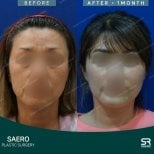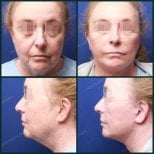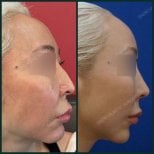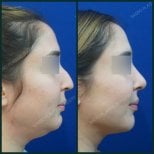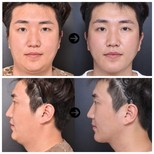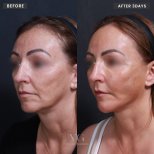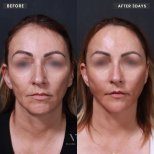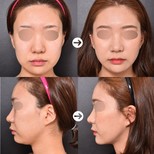
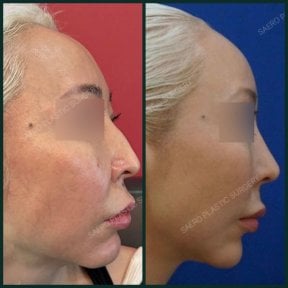
Threads lifting in the Republic of Korea typically costs from AUD $1,100 to AUD $3,000. Prices depend on the thread material, such as PDO or premium PCL, and the clinic location in Seoul. Patients from Australia save approximately 52% compared to local prices, which average AUD $4,200. Packages in Korea often include detailed consultations with dermatologists and specialized skincare treatments.
Bookimed Expert Insight: Choosing unlimited thread packages offers the best value for significant facial sagging. Oracle Clinic Cheongdam provides these all-inclusive options starting around A$2,600. Some specialists, like Dr. Jung Young Choon, even hold patents for regenerative techniques. Many Korean clinics frequently serve Australian patients and offer multilingual support. This ensures a smooth experience without the long public waitlists found in Australia.
| Republic of Korea | Thailand | Turkey | |
| Threads Lifting | from AUD $1,100 | from AUD $540 | from AUD $1,100 |
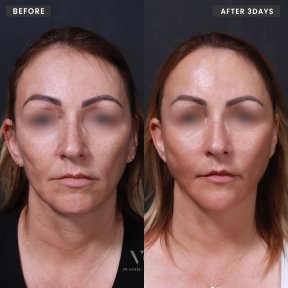
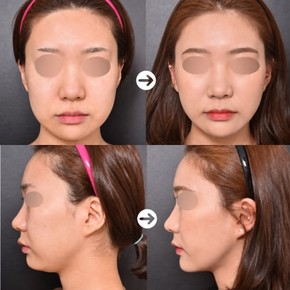
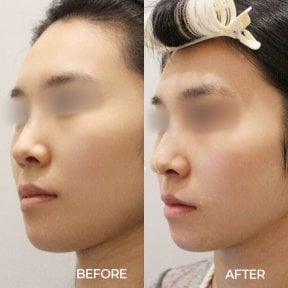

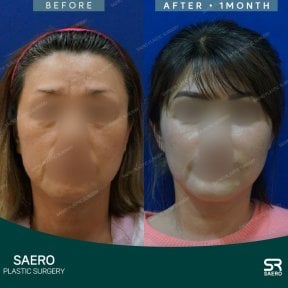
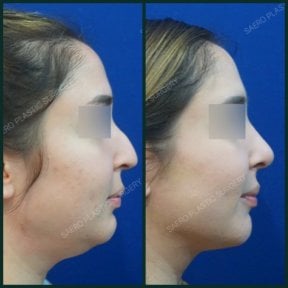
Dr. Park Young Kyu is a plastic surgeon at SAERO Plastic Surgery in Seoul. He graduated summa cum laude from Hallym University. Dr. Park earned the Top Medical Resident award from the Korean Society of Plastic Surgeons. He currently serves as an adjunct professor at Gangnam Sacred Heart Hospital.
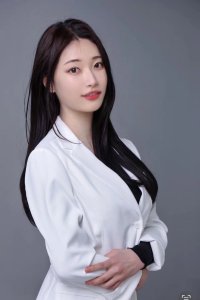
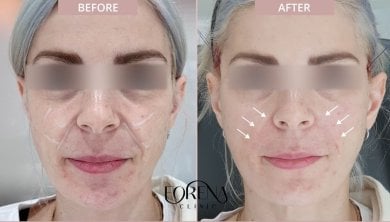
Dr Yeom Jihye has performed over 14,000 aesthetic procedures, bringing a massive volume of practical experience to Forena Clinic.
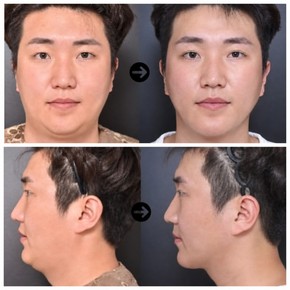
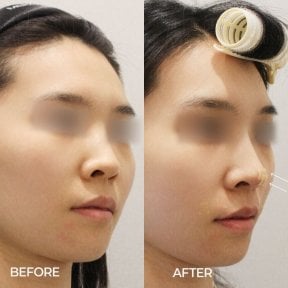
Dr. Yong Woo Kim achieved the top score in the South Korean resident board exam. He is a board-certified plastic surgeon at Returning Plastic Surgery in Seoul. Dr. Kim has performed over 1,000 procedures. He specializes in deep plane facelifts, rhinoplasty, and eyelid correction.
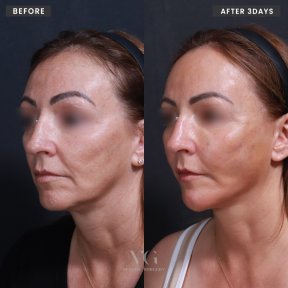
Dr. Park Sangwook is a board-certified plastic surgeon and the Director of VG Plastic Surgery in Seoul. He completed his residency at Seoul St. Mary’s Hospital. He specializes in rhinoplasty and facial contouring. The doctor previously served as a Director at DA Plastic Surgery Clinic.
Ideal candidates for thread lifts in Korea are aged 25 to 55 with mild to moderate facial sagging. This procedure treats early jowls and nasolabial folds, particularly for patients seeking a non-surgical V-line contour or improved jawline definition with minimal downtime.
Bookimed Expert Insight: Many Seoul clinics like Oracle Clinic Cheongdam offer unlimited thread packages for symmetrical results across the entire face. However, specialists like Dr. Yeom Jihye often combine threads with Poretox or energy-based lifting to refine skin texture while providing the mechanical lift.
Patient Consensus: Patients can see if threads will work by gently pulling their skin back in the mirror. Results in Korea are often described as a subtle bridge between injectables and surgery.
Thread lifts in South Korea are generally safe but carry risks like skin dimpling, bruising, and threads becoming palpable under thin skin. High-volume Seoul clinics, often JCI or KOIHA accredited, manage these risks through specialist-led care. This helps prevent late-onset complications like infection or migration.
Bookimed Expert Insight: Leading Seoul clinics like SAERO Plastic Surgery incorporate hyperbaric oxygen therapy into thread lift packages. This aftercare significantly speeds up tissue healing. It reduces the 35% to 93% bruising rate typically seen in Australian clinics without such technology.
Patient Consensus: Expect significant tightness and temporary facial stiffness when yawning or eating. Many noted that temple swelling initially makes eyes look uneven. This typically settles within a week.
After a thread lift in Korea, patients should wait 1 month before undergoing heat-based laser treatments. These include Ultherapy or Thermage. Injectables such as Botox or dermal fillers are generally safe after 1 to 2 weeks. This is once initial swelling and bruising have fully subsided.
Bookimed Expert Insight: Leading Seoul clinics like Forena or Lienjang often bundle specific "Poretox" or skin boosters with MINT thread lifts. While heat-based Ultherapy must wait, these specialised injectables are frequently integrated into the initial treatment plan to enhance results without compromising thread integrity.
Patient Consensus: Patients in Korea recommend prioritising the thread lift early in the trip. They advise saving mild toning lasers for the final days. Most patients follow a plain skincare routine without retinol for 4 weeks. They find this helps the threads provide a smooth, lasting lift.
Thread lift results in South Korea typically last between 12 and 18 months. This depends on the thread material and patient lifestyle. While bio-absorbable threads dissolve within 6 to 9 months, stimulated collagen production sustains the lifting effect for 1 to 2 years in most cases.
Bookimed Expert Insight: Clinics in Seoul like HERSHE Plastic Surgery use patented Epiticon threads. These are specifically designed to resist breaking and provide a more stable lift. While standard threads might show visible softening by month 6, these reinforced options help maintain the initial 10/10 result significantly longer.
Patient Consensus: Patients in South Korea report the most dramatic lift occurs during the first 2 months before settling into a natural look. Most find that while the tightest lift softens by month 6, the overall facial rejuvenation lasts over a year.
Korean clinics use dissolvable sutures like MINT, Epiticon, and Silhouette Soft to rejuvenate the face. Specialists categorise these by material. These include Polydioxanone (PDO) for collagen stimulation. Poly-L-Lactic Acid (PLLA) adds longevity. Polycaprolactone (PCL) provides maximum durability.
Bookimed Expert Insight: PDO threads are the standard. However, Seoul clinics like Forena Clinic often bundle thread lifts with Poretox or energy-based treatments. Combining threads with Ultherapy or Thermage helps maintain the lift longer. Threads alone can lose half their tension within two months.
Patient Consensus: Expect a tight pulling sensation under local anaesthesia. Temporary discomfort when yawning or smiling is common during the first weeks. Most find MINT or cog threads effectively sharpen the jawline. However, results in Korea typically fade within 6–12 months.
Downtime after a thread lift in South Korea is minimal, typically lasting 3 to 7 days. Most patients return to non-strenuous work within a few days. While a visible lift appearing immediately is common, final results settle over 2 to 4 weeks as swelling fades.
Bookimed Expert Insight: High-volume clinics like AB Plastic Surgery and Lienjang treat thousands of patients using unlimited thread packages. This approach allows surgeons to customise tension across different facial planes. Data shows this flexibility often leads to more natural settling during the 2-week maturation phase.
Patient Consensus: Patients in South Korea report noticeable swelling drops by day 4, though wide movements remain uncomfortable initially. The immediate post-procedure lift often looks exaggerated until the face settles naturally after 2 weeks.
Ideal candidates for a thread lift in South Korea are generally aged 30 to 50. They have mild to moderate facial sagging. This non-surgical procedure suits those seeking a V-line jaw definition or early jowl correction. It uses specialised MINT or Epiticon threads in JCI-accredited Seoul clinics.
Bookimed Expert Insight: Many patients overlook the benefit of unlimited thread packages. Leading clinics like Oracle Clinic Cheongdam offer these for around A$2,600. The surgeon can use as many Hyatt or MINT threads as needed. This achieves a balanced result without extra per-thread costs.
Patient Consensus: Clinics in South Korea recommend thread lifts for subtle, natural-looking refinement of the jawline. Patients find the results work best when skin is thick enough to hold the lift. They often combine it with fillers for volume.
A thread lift is generally a low-pain procedure. Clinicians use local anaesthetic, nerve blocks, or nitrous oxide to numb the treatment area. Patients typically feel pressure or pulling rather than sharp pain during the 30-to-60-minute session. Post-treatment soreness and facial tightness usually last for several days.
Bookimed Expert Insight: South Korean clinics like AB Plastic Surgery often have a higher ratio of anaesthesiology specialists. This ratio is above the industry average. This focus on pain management allows for more aggressive lifting techniques with less patient distress. Choosing clinics with on-site anaesthetists significantly improves comfort levels. This applies during and immediately after the procedure.
Patient Consensus: While the procedure feels tolerable under strong numbing, patients can expect some intense tightness and random twinges around the temples during the first few days. Patients in Seoul found the recovery more manageable when they avoided large mouth movements and planned for a week of swelling.
South Korea is a global leader in thread lifting. This is due to its innovation in patented materials and high procedure volumes. Specialists in Seoul use techniques like MINT, Epiticon, and Ultanium. These create sought-after V-line facial contours with minimal downtime.
Bookimed Expert Insight: While many countries offer standard PDO threads, Seoul clinics specialise in unlimited thread packages. At Oracle Clinic Cheongdam, board-certified dermatologists provide these all-inclusive options. This guarantees maximum lift regardless of the number of threads required.
Patient Consensus: South Korea makes thread lifting feel like a standard maintenance treatment. Recovery is quick. Patients value the subtle tightening. It looks natural and fits into a normal holiday schedule.