Advertiser Disclosure
Last updated: 20/11/2026
8 Best Mandibular osteotomy Clinics in Republic of Korea — AUD Prices

85 %
patient recommendation
1 K+
patients
Meet the experts behind this page

Medically reviewed by
Fahad Mawlood
Authored by Anna Leonova
Head of Content Marketing Team
1M+ patient inquiries
32+ countries
3,341 partner clinics
13,692 certified doctors
How Much Does Mandibular osteotomy Cost in Republic of Korea in AUD?
Mandibular osteotomy in the Republic of Korea typically costs from AUD $5,900 to AUD $18,100. The final price depends on whether the surgery addresses cosmetic jaw contouring or functional bite correction. Prices usually include 3D CT scans, surgeon fees, anaesthetic, and hospital stays.
- V-line surgery: typically costs 15–20% less than full bimaxillary procedures.
- Double jaw surgery: often costs 40–50% more than single-jaw mandibular operations.
- Mandibular angle reduction: usually represents the most affordable jaw contouring option.
- University hospitals: typically charge 30% more than specialised private plastic surgery centres.
Bookimed Expert Insight: Choosing Seoul for jaw surgery provides access to clinics like JK Plastic Surgery Center. They maintain a 100% success rate across thousands of procedures. Larger facilities such as Severance Hospital are accredited by JCI. This means their quality systems meet rigorous international safety standards. For Australians, these centres offer advanced 3D facial mapping often unavailable at this price point locally.
| Republic of Korea | Thailand | Turkey | |
|---|---|---|---|
| Mandibular osteotomy | from AUD $5,900 | ≈ AUD $6,000 | from AUD $7,500 |
Data verified by Bookimed as of November 2026, based on patient requests and official quotes from 73 clinics worldwide. Median costs are based on real invoices (2025–2026) and updated monthly. Actual prices may vary.
Your Benefits and Guarantees with Bookimed
Transparent Prices & Flexible Installments
No hidden fees – just official clinic prices. Pay at the clinic for Mandibular osteotomy upon arrival and use a flexible instalment plan if needed.
Verified Clinics & Doctors Only
Bookimed is committed to your safety. We only work with medical institutions that maintain high international standards in Mandibular osteotomy and have the necessary licenses to serve international patients worldwide.
Free 24/7 Assistance
Bookimed offers free expert assistance. A personal medical coordinator supports you before, during, and after your treatment, solving any issues. You're never alone on your Mandibular osteotomy journey.

Why we?
Your personal Bookimed medical coordinator
- Supports you at every stage
- Helps choose the right clinic and doctor
- Ensures quick and convenient access to information
Mandibular osteotomy Packages in Republic of Korea — November 2026 (AUD Pricing for Australians)
Procedure type
Best Mandibular osteotomy Clinics in Republic of Korea for Australians: 8 Verified Options and AUD Prices

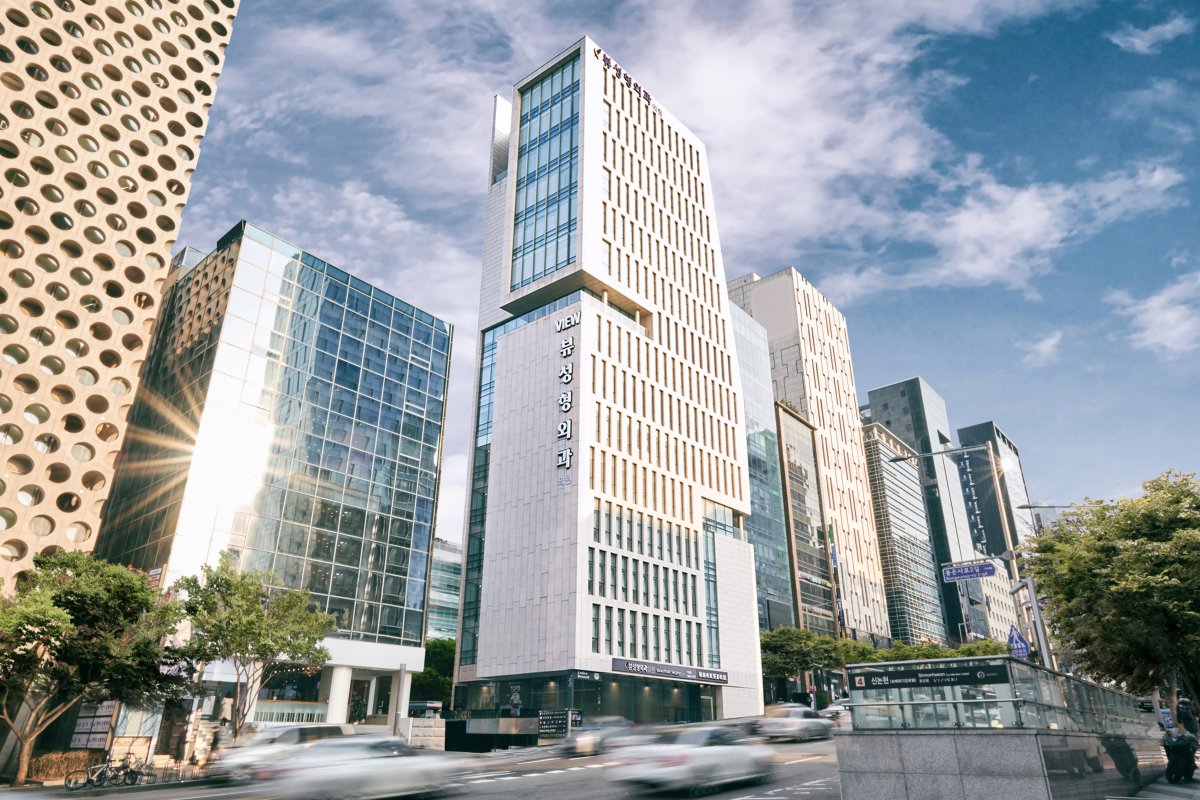
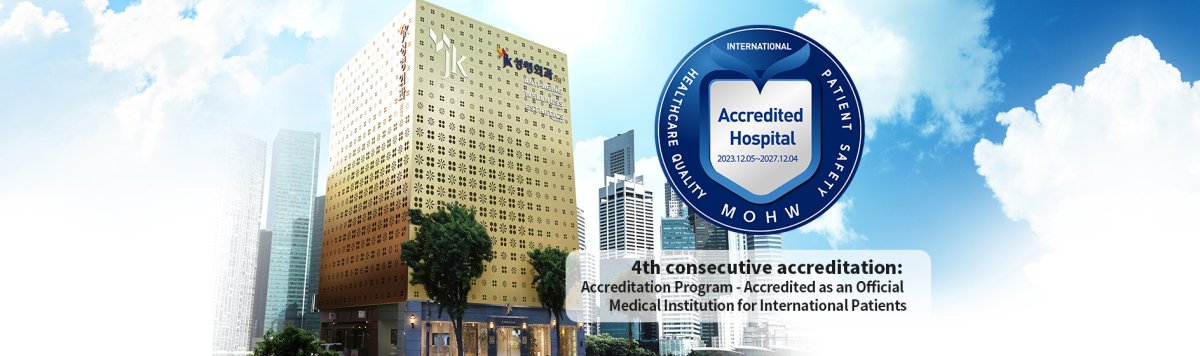
View Plastic Surgery Hospital
Republic of Korea, Seoul
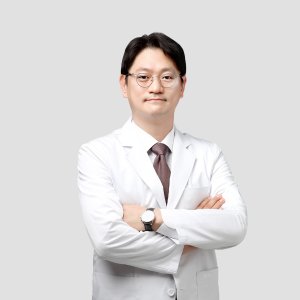
Yun Chang Woon
21 years of experience
Clinic is certified : 
Wonjin Plastic Surgery Clinic
Republic of Korea, Seoul












Mandibular osteotomy Overview in Republic of Korea
Takeaways
Related procedures & Costs
How it works
Benefits
Payment
patients recommend -
85%
Surgery Time - 4 hours
Stay in the country - 10 days
Rehabilitation - 30 days
Anaesthesia - General anaesthesia
Requests processed - 1830
Bookimed fees - $0
Types of Mandibular osteotomy
- Mandibular osteotomy - from AUD $5,873This operation repositions the jawbone to improve speech, support eating, and enhance facial harmony.
- Orthognathic surgery - from AUD $21,083The procedure corrects jaw misalignment, improving biting function and appearance via surgical realignment, enhancing oral health and self-esteem.
How to find best offer with Bookimed?
Discover options on the website: deals, clinics, and doctors.
Select your favourites.
Share photos or describe your issue.
Send a request.
Receive free offers for your needs with prices and details.
Compare and finalise your choice.
Book your clinic visit.
Pay at the clinic. Bookimed fees are $0 for you.
From start to finish, the Bookimed coordinator keeps you safe and comfortable during your medical journey.
100% free, non-binding assessment of your case after photos download.
Instant FREE personalised offers to make the right choice.
Expert guidance in choosing the perfect Maxillofacial Surgery doctor and clinic.
Special packages and exclusive prices for our patients.
24/7 Bookimed guidance at no cost, guaranteed.
Hassle-free translation of your medical documents for clinics.
Multilingual staff — no language barrier with Bookimed coordinator.
Bookimed ensures transparent and secure payments. Patients pay at the clinic with no additional fees.
Available Payment Methods:
How to Secure an Appointment:
1. Documents: Passport and ticket copies.
or
2. Deposit:
- Bookimed deposit: $200 or €200.
- Clinic deposit: Pay a set percentage in advance.
For more information, see our Payment Policy
Our Doctors
View all Doctorsverified
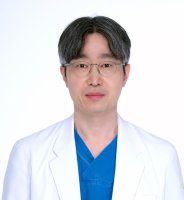
Yun Chang Woon
21 years of experience
Dr. Yun Chang Woon is a plastic and reconstructive surgeon. He is a former professor at Soon Chun Hyang University and a former department head at Armed Forces Capital Hospital.
Professional memberships: Korean Medical Association; Korean Society of Plastic and Reconstructive Surgeons (lifetime member); Korean Society for Aesthetic Plastic Surgery; Korean Association for Maxillofacial Contouring Surgery; Korean Association for Cranio-Maxillofacial Surgery; Korean Society for Microsurgery; IPRAS. He is the Academic Chair of the Minimal Invasive Plastic Surgery Society.
Publications: Co-author of Neomajou: The 18 Korean Masters in Plastic Surgery. First author of “The Understanding and Stability of Insertion Layers in Thread Lift” (Journal of Surgery, 2023; 8:1903). Also published “Effectiveness of Botulinum Toxin A in Treatment of Frey’s Syndrome” (Arch Craniofac Surg, 2009; 10(2):114-119).

verified
Lee Won Ho
21 years of experience
Dr. Lee Won Ho is an implantologist and periodontist at Sinchon Dain Dental Hospital in Seoul. He performs maxillofacial surgery, including jaw implants and mandibular osteotomy. Dr. Lee works at a dental hospital that treats over 33,000 patients annually.
- Performs complex jaw reconstruction and dental implant procedures.
- Practices at a clinic affiliated with the Seoul Medical Tourism Alliance.
- The hospital holds a government permit to treat international patients.
- Works within a facility featuring 28 patient beds and 9 doctors.

verified
Lee, Han-Byoel
The doctor is an expert in oncoplastic surgery and breast cancer, with extensive experience from prestigious institutions. The doctor holds an M.D. degree from Seoul National University College of Medicine and an M.S. degree in Surgery from the same institution. Additionally, the doctor earned a B.S. in biological sciences from the Korea Advanced Institute of Science and Technology (KAIST) and a Ph.D. in Surgery from Seoul National University Graduate School.
Share this content
Video Stories from Bookimed Patients
Dayana
I combined my vacation in Antalya with a check-up.
Procedure: Female check-up
Igor
It was great! Transfers, accommodation, treatment—all included.
Procedure: Dental Implant
Marina
Bookimed did everything for me. I didn't have to worry about anything.
Procedure: Female check-up
Updated: 20/11/2026
Authored by
 Anna Leonova
Head of Content Marketing Team
A certified medical writer with 10+ years of experience, developed Bookimed’s trusted content, backed by a Master’s in Philology and medical expert interviews worldwide.
Reviewed by Bookimed Medical Advisor

Fahad Mawlood
Medical Editor & Data Scientist
General practitioner. Winner of 4 scientific awards. Served in Western Asia. Former Team Leader of a medical team supporting Arabic-speaking patients. Now responsible for data processing and medical content accuracy.
Fahad Mawlood LinkedinThis page may feature information relating to various medical conditions, treatments, and healthcare services available in different countries. Please be advised that the content is provided for informational purposes only and should not be construed as medical advice or guidance. Please consult with your doctor or a qualified medical professional before starting or changing medical treatment.
FAQ about Mandibular osteotomy in Republic of Korea
These FAQs come from real patients seeking medical assistance through Bookimed. Answers are given by experienced medical coordinators and trusted clinic representatives.
What is the difference between mandibular osteotomy and 'V-line' surgery in Korea?
Mandibular osteotomy is a surgical technique for functional correction or structural reshaping of the jawbone. V-line surgery is a broader cosmetic package. It combines T-osteotomy for chin reduction with mandibular angle reduction and often cheekbone reduction. The aim is a narrow, tapered facial silhouette in Seoul clinics.
- Mandibular osteotomy: Focuses on moving or cutting the mandible to fix structural anomalies.
- V-line surgery: Combines angle shaving and chin reshaping for an extremely slim appearance.
- Genioplasty component: V-line surgery uses T-osteotomy to make the chin noticeably narrower.
- Surgical goal: Osteotomy corrects bite issues while V-line focuses on aesthetic tapering.
Bookimed Expert Insight: Korean clinics like Wonjin Plastic Surgery specialise in combining these techniques for international patients. While mandibular osteotomy starts from $3,900, true V-line results often need a facelift as well. Removing bone can cause skin sagging. So many Seoul specialists include lifting procedures within their comprehensive plans.
Patient Consensus: South Korean specialists perform these complex jaw operations daily. This leads to faster surgery times and more precise outcomes. Many recommend planning for potential skin sagging by budgeting for a concurrent facelift.
How long does recovery after mandibular osteotomy in Korea take?
Initial recovery after mandibular osteotomy in Korea takes 3 to 4 weeks. Most patients spend 2 nights in hospital, with elastic jaw bands removed by day 10. Major swelling resolves by week 3, though full bone healing takes 6 to 9 months.
- Hospital discharge: Typically occurs on day 3 after 2 nights of specialist monitoring.
- Jaw restriction: Elastic bands keep the jaw shut for 9 to 10 days.
- Dietary phases: Liquid diet for 2 weeks followed by soft foods from week 3.
- Swelling resolution: Around 75% of facial swelling usually disappears within the first 3 weeks.
- Work return: Most patients resume office duties or school within 8 to 14 days.
Bookimed Expert Insight: While clinics suggest 2 weeks, staying 3 weeks in Seoul is much safer. This allows for elastics removal on day 10 and a final checkup before the long flight. High-volume centres like Wonjin Plastic Surgery Clinic or JCI-accredited Severance Hospital use this timeframe for stable bite alignment.
Patient Consensus: The first week involves significant swelling and syringe feeding while the jaw is banded. Once elastics are removed on day 10, breathing and eating become much easier in Republic of Korea.
Will mandibular osteotomy in Korea be performed inside the mouth?
Mandibular osteotomy in South Korea is almost exclusively performed through intraoral incisions inside the mouth. This surgical approach leaves no visible external scarring on the face or neck. Specialist surgeons in Seoul use this method for V-line surgery, ramus reduction, and bimaxillary osteotomies.
- Scarless results: Surgeons access the jawbone through the gums to prevent external facial marks.
- Techniques: Intraoral approaches include V-line surgery, ramus reduction, and anterior segmental osteotomy.
- Initial recovery: Jaws are typically bandaged shut for 7 days following surgery.
- Post-op alignment: Patients wear a wafer retainer for 2 months instead of traditional braces.
Bookimed Expert Insight: Many assume major jaw surgery requires a month of travel. However, leading Seoul clinics often perform screw removal and final stability checks within 2 to 3 weeks. These include Wonjin Plastic Surgery Clinic and Severance Hospital. This efficiency allows Australian patients to return home sooner than expected. They leave only after the jaw is confirmed stable for the flight.
Patient Consensus: South Korean clinics provide a seamless experience with transoral techniques that leave no visible scars. Patients noted the convenience of wearing a dental wafer for alignment. They felt well-supported by 24/7 interpreters and personal coordinators during their 3-week stay.
What type of anaesthesia is used for mandibular osteotomy in Korea?
General anaesthesia is the standard for mandibular osteotomy in South Korea. Patients remain fully unconscious throughout the procedure. Specialists at leading Seoul clinics use general anaesthesia with nasal intubation. This secures the airway and gives surgeons full access to the oral cavity.
- Standard care: General anaesthesia means patients have no memory of the invasive surgery.
- Procedural safety: Specialists often use controlled hypotension to cut blood loss during bone work.
- Clinical monitoring: Anaesthetists at Seoul hospitals monitor vitals continuously during the 3-hour operation.
- Facilities: Accredited centres like Severance Hospital maintain JCI-standard surgical theatres for safety.
Bookimed Expert Insight: While major jaw surgery always requires general anaesthesia, patients should choose hospitals with on-site anaesthetists. Major Seoul centres like Asan Medical Center perform 55,000+ surgeries yearly. Their dedicated anaesthetic teams are highly experienced in managing lengthy jaw reconstructions safely.
Patient Consensus: Patients in Korea confirm they are completely asleep during jaw surgery and feel no pain. Many appreciate that clinics arrange CT scans and logistics at no extra cost.
Who are the best surgeons for mandibular osteotomy in Korea?
Top surgeons for mandibular osteotomy in South Korea include Dr Son Yoosung and specialists at Wonjin Plastic Surgery Clinic. These practitioners focus on orthognathic surgery within JCI-accredited facilities. Specialists often perform 2 major jaw operations daily. This supports high precision for complex structural aesthetics and functional corrections.
- Surgical expertise: Dr Son Yoosung at View Plastic Surgery specialises in complex structural jaw aesthetics.
- Maxillofacial specialisation: Dr Lee Won Ho at Sinchon Dain Dental Hospital focuses exclusively on maxillofacial surgery.
- Clinic volume: Wonjin Plastic Surgery Clinic houses 20 specialists and serves over 5,000 patients annually.
- Safety standards: Severance Hospital provides JCI-accredited care with surgical safety and monitoring systems.
Bookimed Expert Insight: While many Australian patients look for specific names, the most successful outcomes in Seoul often come from a two-surgeon approach. This involves a plastic surgeon and an oral and maxillofacial surgeon working together. Clinics like Wonjin use this model to balance facial appearance with functional jaw alignment.
Patient Consensus: Patients recommend Republic of Korea for specialists who perform these procedures daily for over 10 years. They suggest keeping personal copies of pre-operative CT scans and using 24/7 interpreter services.
Can mandibular osteotomy in Korea fix facial asymmetry?
Mandibular osteotomy in South Korea effectively corrects facial asymmetry by surgically realigning the lower jaw. Specialists often combine this with genioplasty or angle reduction for a balanced V-line profile. Success rates for jaw alignment procedures typically exceed 90% in Seoul clinics.
- Skeletal realignment: Repositions the lower jaw bone to resolve functional imbalances and aesthetic wonkiness.
- Digital planning: Surgeons use 3D CT scans and AI simulations to map bone structures precisely.
- Treatment combination: Often paired with genioplasty or cheekbone reduction for comprehensive facial balance.
- Two-jaw surgery: Recommended when asymmetry stems from both the upper and lower jaw bones.
- Recovery phase: Most patients need 6–8 weeks for initial healing after the procedure.
Bookimed Expert Insight: While lower jaw surgery costs $3,900 to $12,000, many patients find better value in full orthognathic surgery from $14,000. Centres like Wonjin Plastic Surgery Clinic manage 5,000+ cases yearly. This volume often leads to better symmetry results.
Patient Consensus: Asymmetry correction in Korea feels manageable with low post-op pain, though a liquid diet followed by soft foods is necessary. Plan for a two-week stay and arrange a GP in Australia for local follow-up care.