8 Best Varicocele Treatment Clinics in Republic of Korea — AUD Prices


Medically reviewed by
Fahad Mawlood
What's the Cost of Varicocele Diagnosis and Treatment in Republic of Korea?
Varicocele treatment cost in South Korea typically includes a consultation with a urologist for AUD $75 – AUD $110 and primary surgical options like varicocelectomy, which ranges from AUD $3,600 to AUD $5,600. Total expenses depend on the surgical technique, clinic location, and diagnostic needs. Patients usually save 30–50% compared to private healthcare costs in Australia and the United States. Top medical hubs include Seoul and Incheon.
Typical Varicocele Treatment Costs in South Korea
- Consultation with a urologist: AUD $75 – AUD $110
- Semen analysis: AUD $60 – AUD $150
- Doppler sonography of vessels: AUD $200 – AUD $480
- ECG: AUD $45 – AUD $120
- Varicocelectomy: AUD $3,600 – AUD $5,600
- Microsurgical intervention for varicocele: AUD $8,300 – AUD $10,600
- Embolization of varicocele: AUD $3,300 – AUD $5,900
Bookimed Expert Insight: For complex fertility cases, multidisciplinary centres like Severance Hospital offer integrated care with access to 2,000 doctors. Patients seeking digital precision benefit from Seoul National University Bundang Hospital, the first fully digital hospital in Korea. Those prioritise efficiency may prefer Na-Eun Hospital in Incheon. It manages 20,000 patients annually across 34 specialised departments.
| Republic of Korea | Thailand | Turkey | |
|---|---|---|---|
| Varicocelectomy | ≈ AUD $3,600 | from AUD $13,000 | from AUD $2,700 |
| Microsurgical intervention for Varicocele | from AUD $8,300 | from AUD $6,300 | from AUD $3,800 |
| Embolization of varicocele | ≈ AUD $3,300 | ≈ AUD $3,900 | from AUD $2,300 |
Your Benefits and Guarantees with Bookimed
Transparent Prices & Flexible Installments
No hidden fees – just official clinic prices. Pay at the clinic for Varicocele treatment and use a flexible instalment plan if needed.
Verified Clinics & Doctors Only
Bookimed is committed to your safety. We only work with medical institutions that maintain high international standards in Varicocele treatment and have the necessary licenses to serve international patients worldwide.
Free 24/7 Assistance
Bookimed offers free expert assistance. A personal medical coordinator supports you before, during, and after your treatment, solving any issues. You're never alone on your Varicocele treatment journey.

Your personal Bookimed medical coordinator
- Supports you at every stage
- Helps choose the right clinic and doctor
- Ensures quick and convenient access to information
Best Varicocele Treatment Centres in Republic of Korea for Australians: 8 Verified Options and AUD Prices













MizMedi Women's hospital

Get a Medical Assessment for Varicocele in Republic of Korea: Consult with Experienced Doctors Now
View all Doctors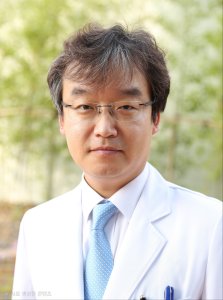
Sohn Dong-wan
Dr. Son Dong-wan specializes in urologic oncology, urinary incontinence, and sexual dysfunction. He performs laser prostate surgery. He provides robotic and laparoscopic treatment for cancers of the prostate, bladder, ureter, and kidney. He also treats ureteropelvic junction obstruction.
His minimally invasive practice includes laparoscopic nephrectomy and prostatectomy. He performs cystoscopic TURBT and TURP. He offers ureteroscopic laser stone removal and percutaneous nephrolithotomy. He treats BPH, prostatitis, urinary stones, testicular cancer, stress urinary incontinence (SUI), overactive bladder (OAB), and male infertility.
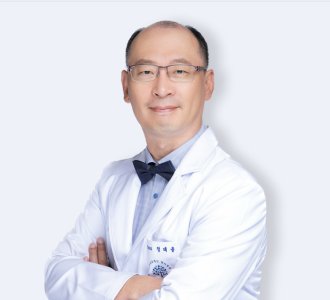
Jeong Tae Yoong
Dr. Tae-Yung Jung, MD, PhD, is a Clinical Professor of Urology at Myongji Hospital and Director of the Medical Cooperation Center. Myongji Hospital is an educational partner of Hanyang University. He previously served as an Associate Professor at Kwandong University College of Medicine.
His clinical focus includes urinary tract stones (urolithiasis), voiding dysfunction, prostate-related urinary symptoms, and overactive bladder.
He has published several papers on urinary stones and voiding disorders. He earned his MD and MS from Hanyang University and his PhD from Chungnam National University. He is a member of the Korean Urological Association, Korean Endourological Society, Korean Prostate Society, Korean Continence Society, and Korean Urological Oncology Society.
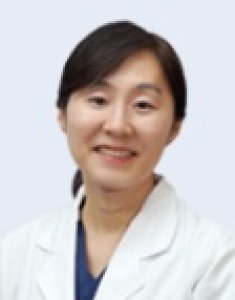
Jang Hyunkyung
Dr. Jang Hyun Kyung is a board-certified urologist. She completed her residency and clinical fellowship at Gachon University Gil Medical Center. She later served as a Clinical Assistant Professor of Urology at Korea University Ansan Hospital and at International St. Mary’s Hospital.
Her clinical interests include BPH, urolithiasis, urinary incontinence and voiding dysfunction, and urinary tract infections. She also focuses on male urology, pediatric urology, and urologic ultrasound.
Professional memberships: Full member of the Korean Urological Association, the Korean Continence Society, the Korean Society of Pediatric Urology, the Korean Association of Urogenital Tract Infection and Inflammation, and the Korean Society of Urological Ultrasound. Current affiliation: Urologist, Gibbeum Hospital.

Koon Ho Rha
Dr. Koon Ho Rha is a urologist and oncosurgeon at Severance Hospital in Seoul. He performs laparoscopic and robotic surgeries for prostate, bladder, and kidney cancer, including robotic da Vinci prostatectomies and nephrectomies. Severance Hospital is a JCI-accredited facility that treats 4 million patients annually and is ranked among the World's Best Smart Hospitals by Newsweek.
Share this content
Video Stories from Bookimed Patients
 Anna Leonova

Expert Overview about Varicocele Treatment in Republic of Korea
What are the common procedures for varicocele treatment in the Republic of Korea?
Common varicocele treatments in South Korea include microsurgical subinguinal varicocelectomy and percutaneous embolisation. Specialists focus on microsurgical repairs to address male infertility and chronic pain. Hospitals such as Severance Hospital and Asan Medical Center provide these urological procedures with high success rates.
- Microsurgical repair: Surgeons use high-powered microscopes to ligate faulty veins while protecting arteries.
- Percutaneous embolisation: Interventional radiologists use coils or glue to block veins without surgery.
- Marmara technique: This microsurgical approach is available to reduce recurrence and scarring.
- Diagnostic tools: Procedures typically follow Doppler sonography and semen analysis to confirm vein size.
Bookimed Expert Insight: South Korea is known for its high level of digitalised healthcare. Centres like Seoul National University Bundang Hospital use electronic safety systems to manage patients. This infrastructure supports urology specialists like Dr Son Dong Wan at Na-Eun Hospital. He brings training from the USA and Belgium to complex male reproductive cases.
Patient Consensus: Patients find that choosing between surgery or embolisation depends on their personal priorities. These often include either immediate recovery or long-term fertility results. Most travellers suggest confirming whether a urologist or an interventional radiologist performs the procedure.
Can varicocele treatment in the Republic of Korea improve fertility?
Varicocele treatment in the Republic of Korea effectively improves fertility. Microsurgical procedures boost sperm quality in 60% up to 80% of patients. Korean specialists use gold-standard techniques to improve pregnancy rates. JCI-accredited facilities in Seoul provide diagnostics such as Doppler sonography and semen analysis.
- Semen quality: Most patients see measurable gains in sperm count and motility.
- Pregnancy rates: Studies show spontaneous pregnancy rates rise from 21% to 33%.
- Surgical standard: Microsurgical subinguinal varicocelectomy offers the highest success and lowest recurrence.
- Recovery timeline: Sperm parameter improvements typically appear 3 to 6 months after surgery.
- DNA integrity: Repair reduces sperm DNA fragmentation to help lower miscarriage risks.
Bookimed Expert Insight: Many centres focus on general urology. However, specialists like Dr Son Dong Wan at Na-Eun Hospital have expertise in sexual medicine and oncology. Choosing a doctor with this fellowship training often leads to more precise microsurgery. This expertise is vital for preserving delicate testicular structures during the procedure.
Patient Consensus: Men note that while fertility improvements are not guaranteed, a full work-up helps manage expectations. Patients often share that waiting several months for semen testing is common before seeing positive changes.
Which surgical technique for varicocele is most recommended in the Republic of Korea?
Microsurgical varicocelectomy is the most recommended technique in South Korea for treating varicocele. Specialists consider it the gold standard due to its high precision and low recurrence. This method uses a microscope to ligate veins while protecting arteries and lymphatic vessels.
- Microsurgical precision: Surgeons use high-power magnification to identify and preserve the testicular artery.
- Recurrence rates: Clinical guidelines in Korea focus on ligating small internal spermatic veins.
- Embolisation alternative: This non-surgical option involves blocking veins using small coils.
- Surgeon expertise: Outcomes rely on the specialist's experience with microscopic tools and surgical volume.
Bookimed Expert Insight: South Korea's urology landscape is dominated by high-volume centres like Severance Hospital. This facility treats 4,000,000 patients annually. Specialists here, such as Dr Son Dong Wan at Na-Eun Hospital, often hold international fellowships. These include institutions like UC San Diego. This global training and massive patient volume help to lower the risk of post-op fluid buildup.
Patient Consensus: Patients note that microsurgical subinguinal varicocelectomy is the preferred choice in South Korea. They prefer it because it offers the lowest risk of hydrocele. They emphasise checking a surgeon's specific recurrence rates before booking.
What is the benefit of choosing percutaneous embolisation for varicocele in the Republic of Korea?
Percutaneous embolisation in Korea is a non-surgical alternative to fix enlarged scrotal veins using a catheter. This outpatient procedure avoids general anaesthesia and large incisions. Major JCI-accredited hubs in Seoul offer high success rates. Patients can usually return to normal activities within 24 hours.
- Non-surgical approach: Radiologists use a catheter to block leaky veins without surgical cuts.
- Local anaesthesia: Patients remain awake during the process. This lowers typical surgery risks.
- Fast recovery: Most patients leave the clinic one hour after the procedure.
- Fertility support: The method treats pain and infertility by improving sperm quality.
Bookimed Expert Insight: While many choose general surgery, Korea's digital hospitals like Seoul National University Bundang Hospital use imaging to treat both sides in one session. This infrastructure helps specialists identify complex vein branches that standard surgery might miss. Accessing this technology in Korea's multidisciplinary centres provides precise vein closure with minimal downtime.
Patient Consensus: Patients in the Republic of Korea value the convenience of avoiding groin incisions. They appreciate how quickly they can return to work. Many note it is a comfortable choice for those prioritising a faster recovery over traditional surgery.
What diagnostic procedures are used for varicocele in the Republic of Korea?
Diagnostic procedures for varicocele in the Republic of Korea centre on physical examination and high-resolution Doppler sonography. Specialist urologists at JCI-accredited facilities like Severance Hospital use these methods to confirm vein dilation. Testing typically takes 1 day at major Seoul centres.
- Clinical examination: Specialist assesses the scrotum while the patient stands or performs the Valsalva manoeuvre.
- Doppler sonography: This highly sensitive scan measures vein diameter and detects blood flow reflux.
- Semen analysis: Essential for patients concerned about fertility to check sperm count and motility.
- Hormonal assay: Laboratory blood tests evaluate testosterone and FSH levels if fertility is impacted.
Bookimed Expert Insight: South Korea leads in digitalised diagnostics. Institutions like Seoul National University Bundang Hospital use electronic BESTcare systems to integrate imaging data instantly. Patients should look for urologists like Dr Son Dong Wan at Na-Eun Hospital. He brings international training to complex cases. This allows subclinical varicoceles to be accurately identified through duplex angioscanning.
Patient Consensus: Patients in the Republic of Korea emphasise that the work-up should include both an exam and Doppler ultrasound. Those focused on fertility note the importance of including a semen analysis in the initial diagnostic assessment.
How long is the recovery period following a varicocelectomy in the Republic of Korea?
Recovery after varicocelectomy in South Korea is swift. Most patients return to work within 2 days following embolisation or microsurgery. Initial healing takes 48–72 hours. Full resolution of symptoms typically requires 3 to 6 months of monitoring by specialists.
- Immediate discharge: Procedures at centres like Na-Eun Hospital are usually outpatient cases.
- Initial activity: Patients resume light daily routines within 2 to 3 days.
- Physical restrictions: Heavy lifting must be avoided for 4 to 6 weeks.
- Long-term follow-up: Doctors schedule Doppler ultrasound around 6 months to confirm success.
Bookimed Expert Insight: High-volume centres like Seoul National University Hospital treat over 10,000 patients daily. This large throughput means urologists like Dr Son Dong Wan perform these procedures often. Their mastery of microsurgical techniques results in shorter theatre times and reliable outcomes.
Patient Consensus: Men note the first few days involve groin discomfort and swelling in Korea. They suggest allowing extra time before flying back to Australia or returning to physical jobs.