6 Best Non-surgical slimming program Treatment Clinics in Republic of Korea — AUD Prices

Medically reviewed by
Ergin Er
How it works
What's the Cost of Non-surgical slimming program Diagnosis and Treatment in Republic of Korea?
Best Non-surgical slimming program Treatment Centres in Republic of Korea for Australians: 6 Verified Options and AUD Prices

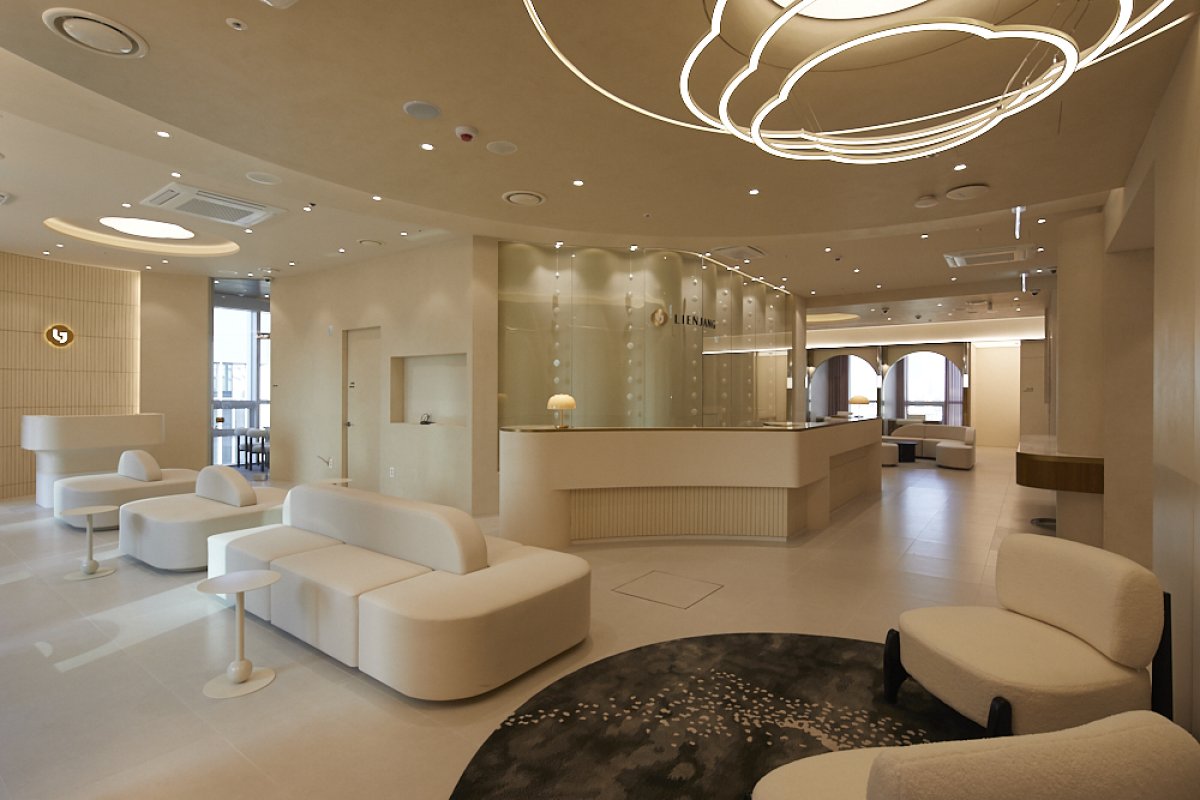
Lienjang Plastic Surgery & Aesthetic Clinic
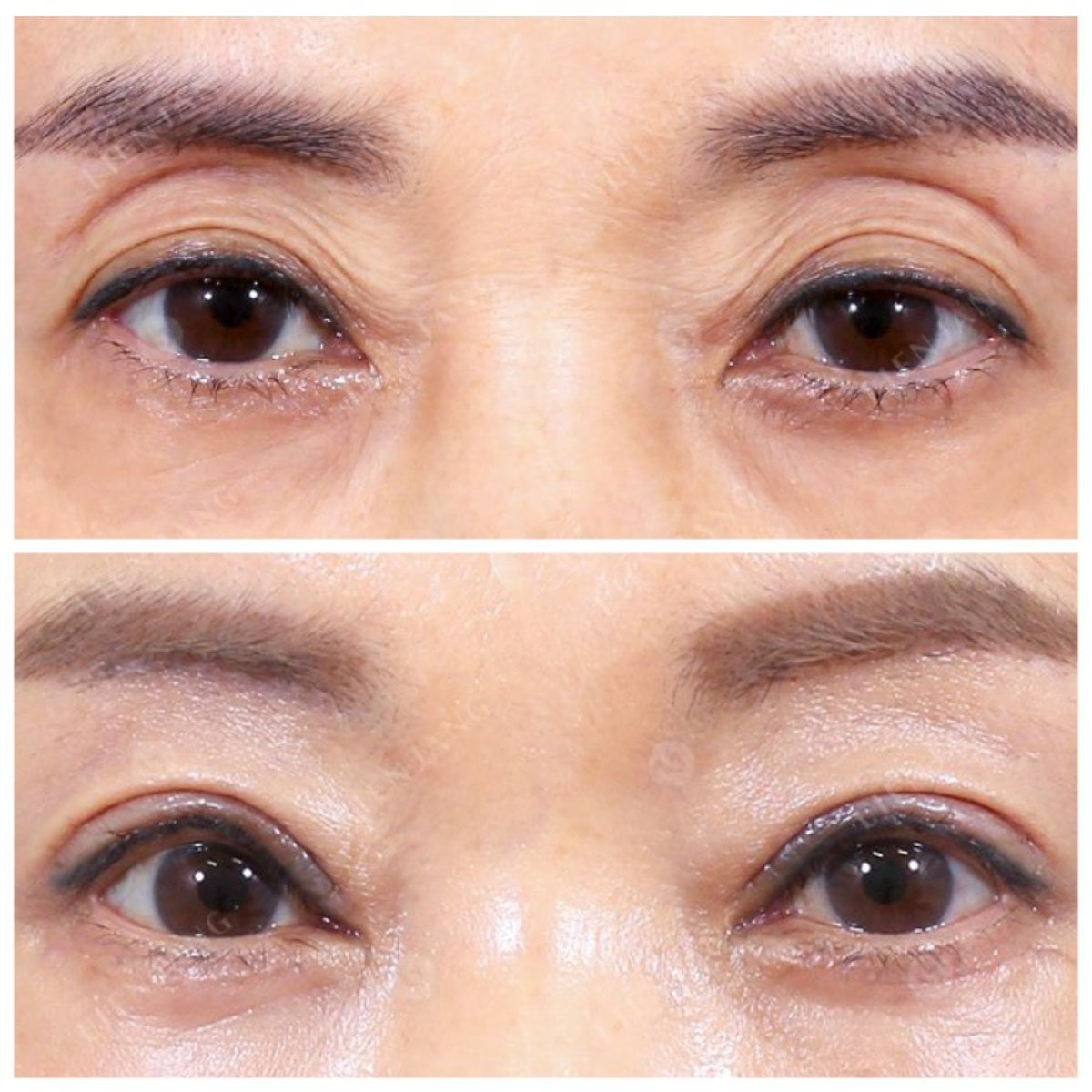
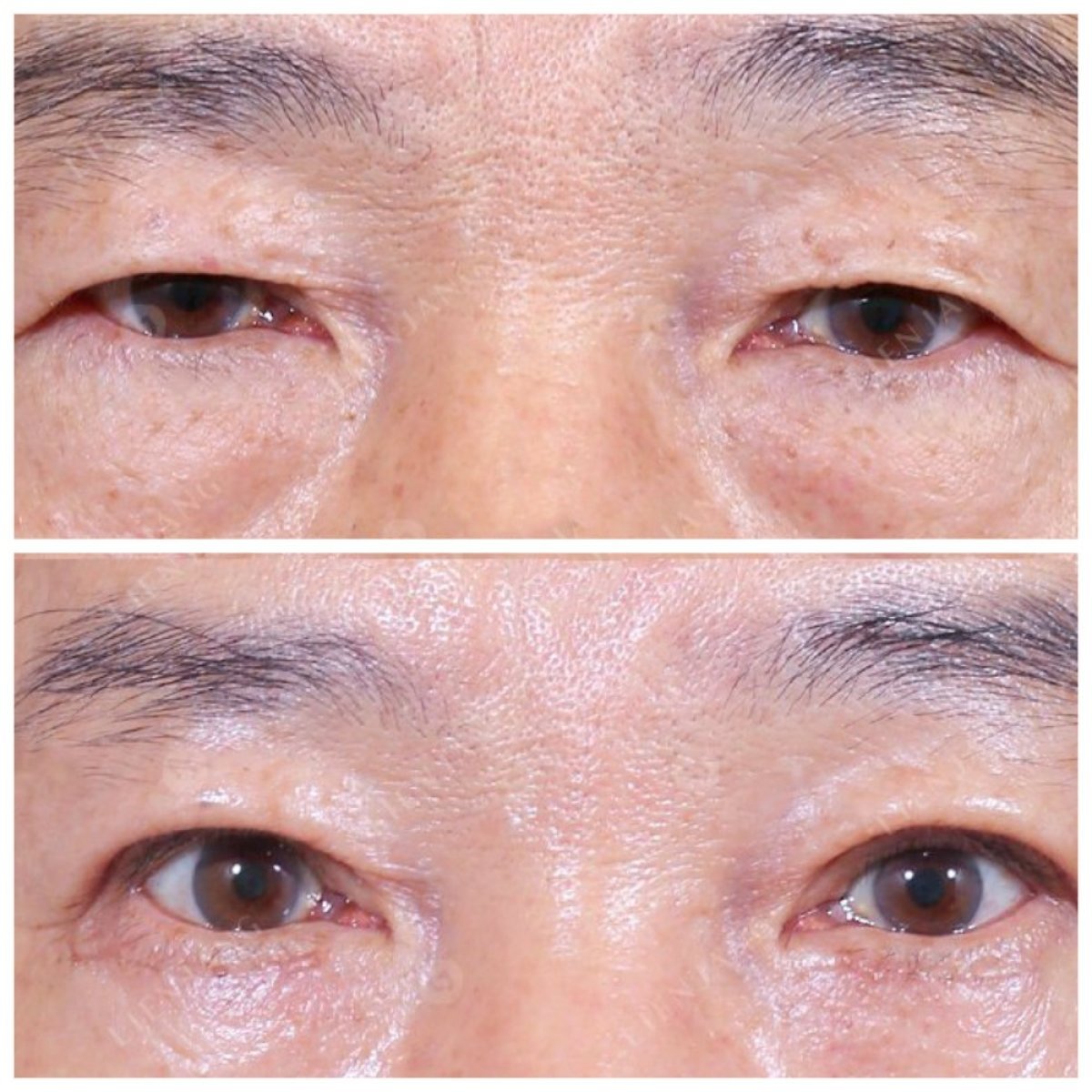
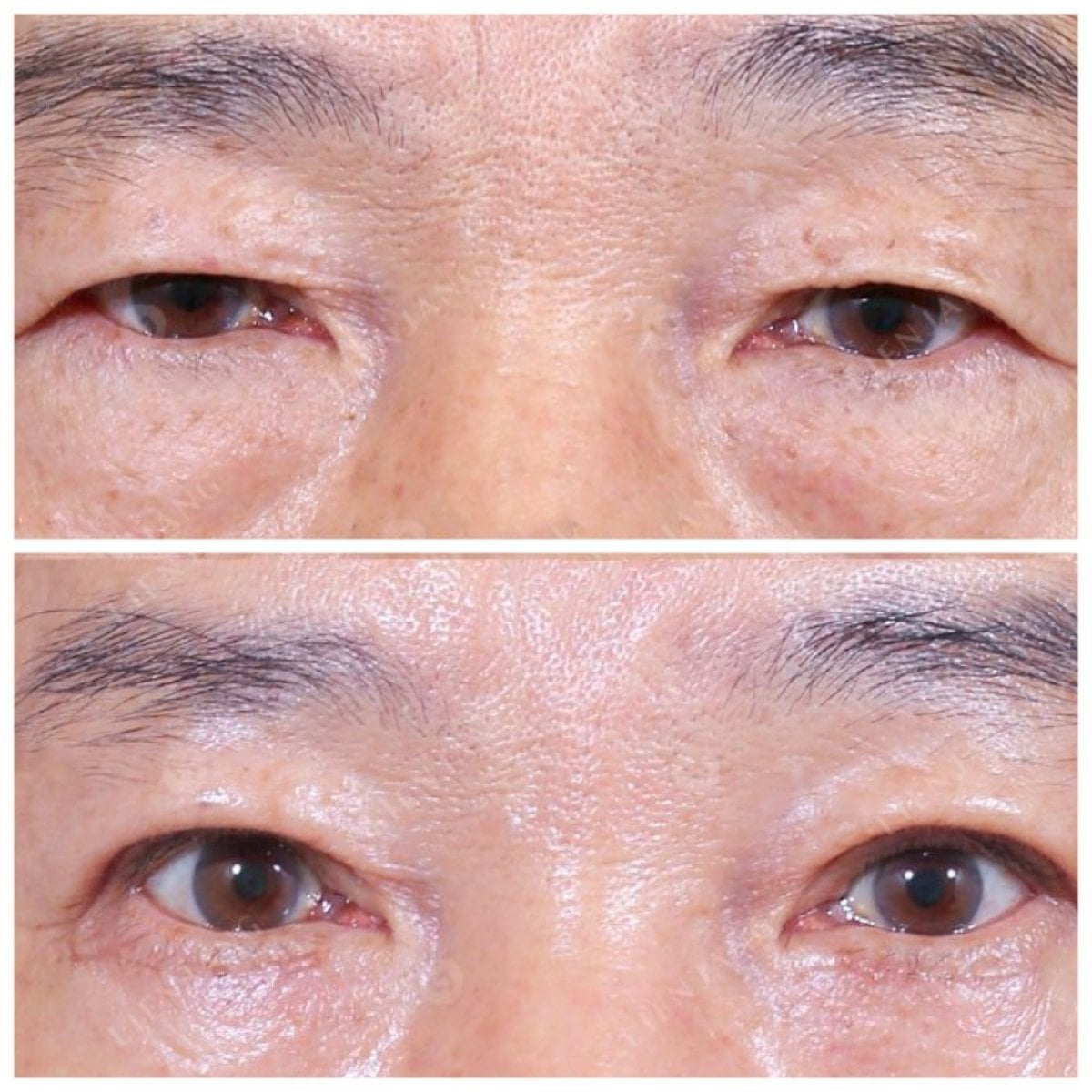
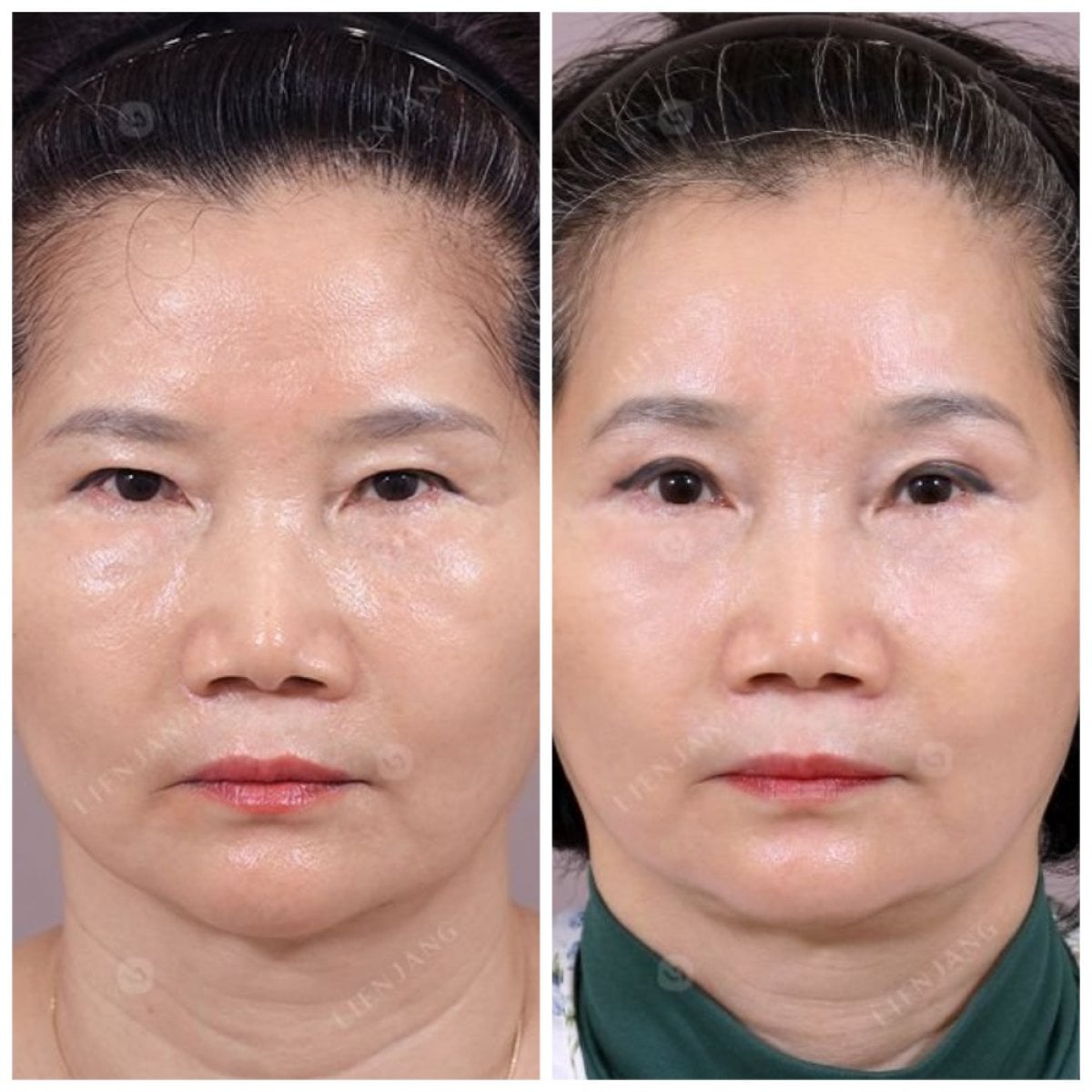

URBAN Plastic Surgery

RE:YOUTH (YONSEI BH Arterial Stemcell Clinic)
Byung-hee Lee


Get a Medical Assessment for Non-surgical slimming program Treatment in Republic of Korea: consult with 11 experienced doctors for Australian patients now
View all Doctors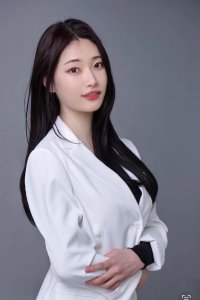
Yeom Jihye
Dr. Yeom Jihye specializes in non-surgical slimming with extensive training at UCLA and membership in top aesthetic societies.
- Full Member of the Korean Society for Obesity and Aesthetic Medicine
- Lifetime Member of the Korean Society for Laser Dermatology
- Completed the prestigious UCLA Clinical Observership Program
- Former Director at multiple leading aesthetic clinics
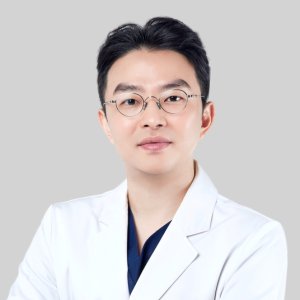
Lim Yoon Min
Lim Yoon Min — plastic surgeon, Lienjang.
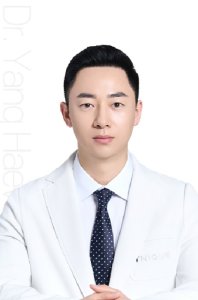
Haewon Yang
Dr. Haewon Yang is a board-certified plastic surgeon at INIQUÉ Clinic in Seoul. He has performed over 10,000 aesthetic procedures. Dr. Yang specializes in facial contouring, rhinoplasty, and eyelid surgery. He uses anatomy-based plans to ensure natural-looking results.
- Completed specialist training at Samsung Medical Center in South Korea.
- Serves as a clinical adjunct professor at Sungkyunkwan University School of Medicine.
- Trained at the Royal Australasian College of Surgeons in Melbourne.
- Performs lifting procedures and non-surgical facial rejuvenation.
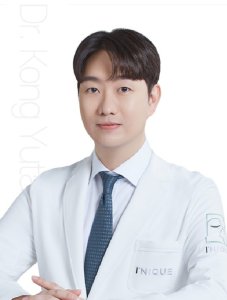
Yootaek Kong
Dr. Yootaek Kong is a board-certified plastic surgeon at INIQUÉ Plastic Surgery Clinic in Seoul. He has performed over 8,000 aesthetic procedures throughout his career. Dr. Kong trained at Samsung Medical Center, one of South Korea's top medical institutions. He specializes in facial plastic surgery tailored to individual anatomy and proportions.
- Focuses on facial contouring, eyelid surgery, and rhinoplasty.
- Graduated from the Sungkyunkwan University School of Medicine.
- Treats patients at a clinic serving 12,000 people annually.
- Performs brow lifts and non-surgical slimming programs.
Share this content
Video Stories from Bookimed Patients
 Anna Leonova

Expert Overview about Non-surgical slimming program Treatment in Republic of Korea
Are fat-dissolving injections safe for non-surgical slimming in Korea?
Fat-dissolving injections in Korea are safe when performed at KOIHA-accredited clinics. These clinics use MFDS-approved formulas like V-OLET. These non-surgical treatments target localised fat with minimal downtime. Korean clinics often use specialised, steroid-free solutions. This reduces swelling and lowers the risk of skin reactions for patients.
- Regulatory approval: Clinics use MFDS-approved deoxycholic acid formulas for targeted fat reduction.
- Safety standards: VG Plastic Surgery holds KOIHA accreditation, meeting international medical safety benchmarks.
- Expert administration: Board-certified surgeons perform injections for precise contouring and results.
- Recovery support: High-end centres offer hyperbaric oxygen therapy to speed up healing after treatment.
Bookimed Expert Insight: Safety in Seoul is linked to institutional volume and transparency. VG Plastic Surgery treats 1,000 international patients annually from 47 countries. They use university-grade safety systems, including CCTV monitoring in treatment rooms. This provides an extra layer of accountability for Australian patients.
Patient Consensus: After injections in Korea, patients often return to normal activities quickly. Many are surprised by how soon they feel back to normal. Most describe the sensation as a mild warmth or pressure rather than actual pain.
What are the best non-surgical slimming options in Korea?
South Korea offers non-surgical slimming via energy-based devices and injections. Top options include InMode FX for fat reduction, CoolSculpting for cryolipolysis, and Ultherapy or Thermage for skin tightening. These KOIHA-accredited Seoul clinics specialise in needle-free contouring with minimal downtime for international patients.
- Energy-based devices: InMode FX and ONDA Coolwaves target fat cells while tightening loose skin.
- Fat-dissolving injections: V-OLET and specialised contouring shots treat stubborn pockets like double chins.
- Cryolipolysis technology: CoolSculpting freezes fat cells for natural elimination over one to three months.
- HIFU treatments: Ultherapy and Ulfit use high-intensity ultrasound to liquefy fat and boost collagen.
Bookimed Expert Insight: Australian patients benefit from doctors with local training. For example, Dr Haewon Yang at INIQUÉ trained at the Royal Australasian College of Surgeons in Melbourne. Clinics like JK Plastic Surgery Center further cater to Australians. They provide government-approved stem cell therapies and VAT refunds. These effectively reduce the overall cost of premium slimming programs.
Patient Consensus: Patients in Korea find InMode FX effective for visible reduction, but they note potential bruising. Fat-dissolving injections like V-OLET work best for smaller, targeted areas. Local residents typically combine melting injections with laser treatments for subtle improvements. They prioritise clinics that provide clear session plans and recovery expectations.
Is non-surgical slimming better than liposuction in Korea?
Non-surgical slimming is better for subtle contouring and zero downtime. Liposuction suits those seeking dramatic, permanent fat removal. Korean centres use systems like CoolSculpting and Vaser lipo. Board-certified specialists at KOIHA-accredited clinics personally manage these treatments to maintain international safety standards.
- Treatment goals: Non-surgical suits small, stubborn areas for gradual, natural-looking changes.
- Downtime comparison: Slimming programs allow immediate activity. Liposuction requires 1–2 weeks recovery time.
- Session frequency: Slimming often requires 2–5 sessions. Liposuction typically delivers results in one.
- Specialist expertise: Surgeons like Dr Haewon Yang have performed over 10,000 aesthetic procedures.
- Safety standard: Leading Seoul clinics like VG Plastic Surgery provide university-grade safety systems.
Bookimed Expert Insight: Many patients underestimate the value of 'mini-lipo' hybrids like LAMS. Our data shows clinics like Lienjang Plastic Surgery & Aesthetic Clinic serve 2,000 daily patients. They do so by offering these middle-ground options. They provide surgical-level fat removal through a syringe, bridging the gap between non-invasive cooling and traditional theatre-based liposuction.
Patient Consensus: Patients find non-surgical slimming effective for light tightening. However, multiple sessions in Seoul are often necessary for visible results. For sharp contours, Korea travellers generally prefer liposuction. They note that the one-off surgical cost often proves more durable than repeated non-invasive visits.
When will I see results from non-surgical slimming in Korea?
Patients typically see initial changes from non-surgical slimming in Korea within 2 to 4 weeks. Full results generally appear between 6 weeks and 3 months. The body needs this time to naturally metabolise and eliminate destroyed fat cells following treatment.
- CoolSculpting timeline: Visible changes usually begin around 3 weeks after cryolipolysis.
- Energy-based devices: Treatments like Thermage or Ultherapy show peak results after 2–3 months.
- Injection results: Fat-dissolving injections typically require 1–3 weeks for initial slimming effects.
- Session frequency: Most clinicians recommend 3–4 sessions for noticeable and long-lasting body contouring.
Bookimed Expert Insight: South Korea specialises in 'combination protocols' where doctors like Dr Haewon Yang—who trained at the Royal Australasian College of Surgeons—pair ultrasound and radiofrequency. Data shows top Seoul clinics such as JK Plastic Surgery Center offer government-approved stem cell therapies alongside slimming to improve skin elasticity during fat reduction. This dual approach often prevents skin laxity that can follow rapid fat loss.
Patient Consensus: Patients note that results are subtle refinements rather than dramatic weight loss and often require three to seven sessions for the best outcomes. While some see changes after three weeks, most agree that waiting for swelling to settle is essential to see the final contour in Korea.
What is the downtime for non-surgical slimming treatments in Korea?
Non-surgical slimming treatments in Korea usually require zero to three days of downtime. Patients typically return to work or sightseeing immediately. Fat-freezing and laser lifting have minimal side effects. However, fat-dissolving injections may cause mild swelling or bruising that resolves within 48 hours.
- Activity recovery: Patients resume normal daily routines immediately after most Seoul clinic visits.
- Injection side effects: Fat-dissolving treatments may cause swelling or bruising for 1–3 days.
- Laser lifting downtime: ONDA and Ulfit treatments often cause only temporary redness for 24 hours.
- Exercise restrictions: Specialists suggest avoiding intense workouts or saunas for 48 hours post-procedure.
Bookimed Expert Insight: Multi-session programs are common, so planning is essential for short trips. Leading clinics often schedule fat-reduction sessions 1–3 weeks apart. Lienjang Plastic Surgery & Aesthetic Clinic, which serves nearly 700,000 patients, is one example. Patients should confirm whether their itinerary allows repeat visits. If not, a single-session technology like CoolSculpting at JK Plastic Surgery Center may better suit a brief stay.
Patient Consensus: Patients note that fat-dissolving injections offer the fastest results despite 48 hours of swelling. In Korea, travellers often choose ONDA or InMode Body for immediate recovery. However, they suggest budgeting one extra day for potential bruising before flying home.
Do I need multiple sessions for non-surgical slimming in Korea?
Most Korean non-surgical slimming treatments require 3 to 5 sessions for visible results. While technologies like CoolSculpting or Ultherapy show initial changes, fat metabolism takes time. Seoul clinics often bundle these into intensive 1- or 2-week programs for international patients to maximise efficiency.
- Fat-dissolving injections: Specialists often recommend 3–5 sessions to achieve noticeable contoured lines.
- Energy-based devices: Treatments like InMode or Shurink typically require 3–4 sessions for firming.
- Cryolipolysis: Fat freezing with CoolSculpting usually involves 1–3 sessions per target area.
- Session spacing: Treatments are traditionally spaced 4–6 weeks apart for optimal fat cell clearance.
Bookimed Expert Insight: Data shows leading Seoul centres like Lienjang and BIOFACE treat over 25,000 patients annually using high-density protocols. For Australians on short trips, doctors often combine different technologies, such as InMode with fat-dissolving injections. This multi-modal approach helps trigger faster results than a single-technology session would alone.
Patient Consensus: Patients note that single sessions often yield subtle changes. However, completing a 3-session series in Korea provides much clearer definition and smoother body lines.
Can I treat multiple areas at once with non-surgical slimming in Korea?
Patients can treat multiple areas at once with non-surgical slimming in Korea. Leading Seoul clinics often combine fat-dissolving injections, CoolSculpting, and energy-based devices like Body InMode or ONDA. These tailored programs target the abdomen, thighs, and arms in one visit for proportionate results.
- Common combinations: Clinics often bundle fat-dissolving injections with ONDA or Thermage for simultaneous tightening.
- Specialists use CoolSculpting with multiple applicators to treat flanks and abdomen together.
- Expert clinics: JK Plastic Surgery and Lienjang offer multi-area packages using US-standard safety systems.
- Efficient scheduling: Non-invasive sessions need no downtime. This makes them ideal for Australians on short holidays.
Bookimed Expert Insight: While many clinics list dozens of devices, the highest patient volume is at centres like Lienjang. It serves 2,000 people daily. Their data shows that combining ultrasound with fat-dissolving injections yields better contouring than using a single technology. For Australian patients, this 'stacking' approach is the most time-efficient way to see results from a single visit.
Patient Consensus: Patients note that treating multiple areas works best when sticking to 1-week plans. They emphasise that while injections give quicker results, multiple areas usually need three sessions for visible change in Korea.