VG Plastic Surgery
Republic of Korea, Seoul
Im Young Min
20 years of experience

accreditations : 
Clinic is certified : 

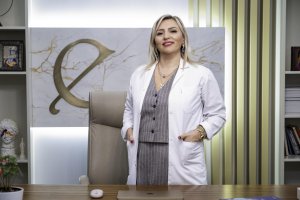
Medically reviewed by
Esra Cabuk Comert
Infertility treatment cost in South Korea for international patients typically starts with a blood test for hormonal profile from AUD $150 to AUD $390. Primary treatments like In Vitro Fertilization (IVF) range from AUD $9,000 to AUD $10,500, while IVF with gender selection runs from AUD $12,800 to AUD $20,300 for medical necessity. Prices depend on clinic tier and diagnostic needs. Australians generally save 50–70% compared to private costs in Australia or the US. Top cities for care include Seoul, Incheon, and Busan.
Typical Infertility Treatment Costs in South Korea
Bookimed Expert Insight: For patients requiring complex surgery, South Korea offers unique technical expertise. Director Hong Jung Lee at Yonseisarangmoa Hospital is the only doctor in the country using the Da Vinci surgical system for specific reproductive procedures. University-tier institutions like Samsung Medical Center provide multidisciplinary care for cases linked to oncology or cardiology. These centres hold KOIHA accreditation, ensuring they meet rigorous national healthcare standards for safety.
| Republic of Korea | Thailand | Turkey | |
|---|---|---|---|
| Testicular sperm extraction (TESE) | ≈ AUD $4,800 | from AUD $2,300 | from AUD $900 |
| Testicular sperm aspiration (TESA) | ≈ AUD $2,100 | from AUD $2,300 | from AUD $1,200 |
| Stem cell therapy for male infertility | ≈ AUD $9,800 | from AUD $4,400 | from AUD $5,000 |
| Pharmacological stimulation for IVF | ≈ AUD $2,700 | from AUD $6,300 | from AUD $1,100 |
| PRP/PRGF ovarian rejuvenation | from AUD $1,200 | from AUD $2,000 | from AUD $4,500 |


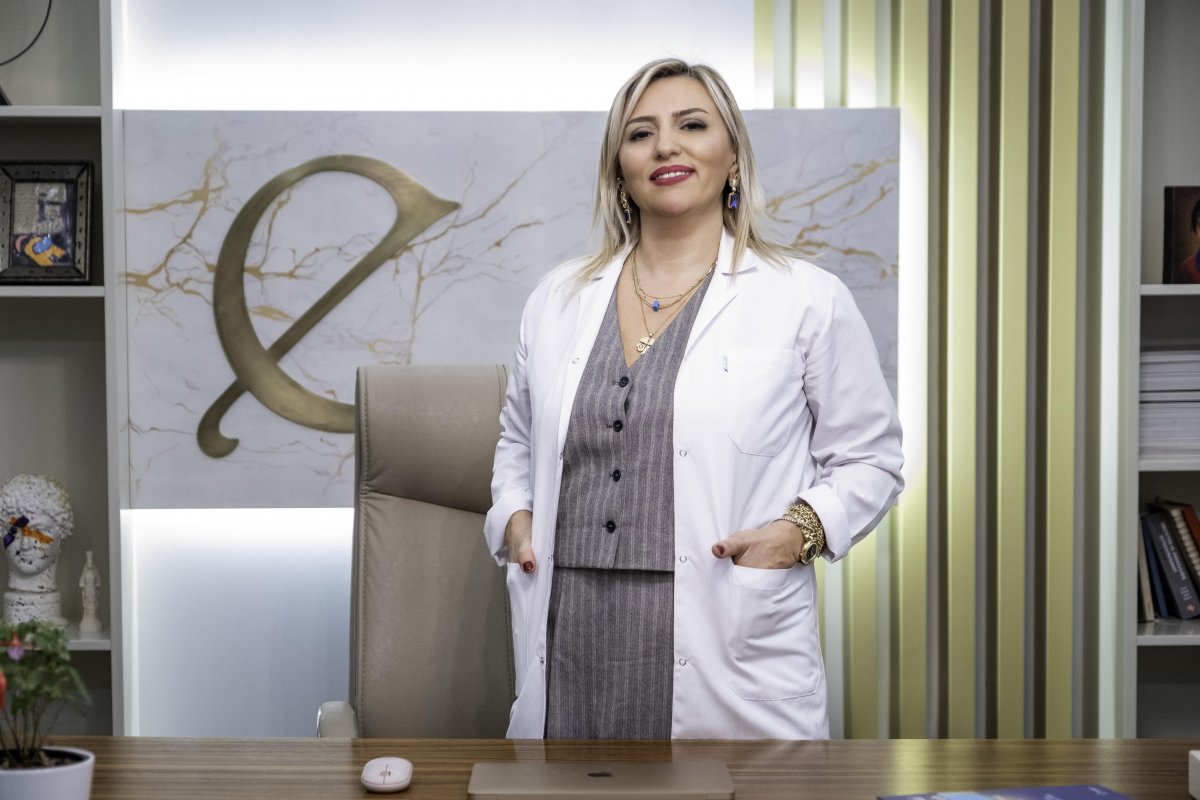
Dr. Na Young Kim is an obstetrician, gynecologist, and infertility specialist at MizMedi Women’s Hospital in Seoul. She treats reproductive challenges through fertility treatments. Dr. Kim works at a facility that serves over 400,000 patients annually. The hospital is a center for women's health with a 30-year history. MizMedi is a South Korean center for gynecological procedures.

Dr. Kwang Rae Kim is an obstetrician-gynecologist at MizMedi Women's Hospital in Seoul. He treats infertility and reproductive health conditions. Dr. Kim works at a facility that treats over 410,000 patients annually. The hospital opened in 1991 and is one of the largest private women's centers in South Korea.
Director of Yonsei Sarangmoa Women's Hospital – Dr. Lee brings academic and clinical expertise to infertility cases.

Dr. Go Mi Hyang specializes in infertility treatments at Yonseisarangmoa Women's Disease Hospital, with a strong background in obstetrics and gynecology.
 Anna Leonova
South Korea reports global-leading IVF success rates. These average 30.2% for fresh embryo transfers and 42% for frozen-thawed cycles. Leading Seoul clinics achieve pregnancy rates of 50–60% per transfer. Younger patients under 35 often see success rates of 55% to 85% per program.
Bookimed Expert Insight: Korea's infrastructure is well suited for Australian patients seeking technical intervention. While large hospitals like Severance treat 4,000,000 patients annually, specialized centres like CHA Fertility and Yonseisarangmoa offer dedicated international managers. Australians should note that clinics with KOIHA accreditation meet strict safety standards similar to those back home.
Patient Consensus: Patients emphasise checking live birth rates rather than just pregnancy figures in Korea. Friendly translators and efficient testing processes make the medical experience smooth for international visitors.
Standard infertility diagnostics in South Korea require hormonal blood profiles, transvaginal ultrasounds, and semen analysis. Specialists also perform hysterosalpingography to check fallopian tubes. Major Seoul centres like CHA Fertility Center and Severance Hospital mandate these tests to tailor treatment plans.
Bookimed Expert Insight: South Korea leads Asia in infertility volume. CHA Fertility Center alone has helped over 20,000 couples. Seoul facilities like Severance Hospital and Ewha Womans University Medical Center use digitalised records. This helps Australian patients by letting specialists review digital histories before travel begins.
Patient Consensus: Patients note that Ewha Womans University Medical Center provides helpful translators for follow-up consultations. Many emphasise confirming which specific tests must occur on certain cycle days in Korea.
A full IVF cycle in South Korea takes 3 to 4 weeks for fresh embryo transfers. This timeframe covers ovarian stimulation, egg retrieval, and placement. Patients can reduce this stay to 7 to 10 days by starting stimulation at home under GP supervision.
Bookimed Expert Insight: Specialist facilities like CHA Fertility Center manage over 20,000 successful births. These high-volume centres often provide personal managers for international patients. This support is vital because some test results may take a week to finalise after you leave.
Patient Consensus: Patients note that stimulation requires multiple clinic visits rather than one procedure. Most people recommend building extra days into travel plans to allow for schedule shifts.
Australians rarely face significant language barriers at premier fertility centres in the Republic of Korea. Major Seoul facilities specialise in international care and provide dedicated English-speaking coordinators. Clinics like CHA Fertility Center and Ewha Womans University Medical Center offer support for complex IVF protocols.
Bookimed Expert Insight: While general hospitals offer translation, specialised facilities like CHA Fertility Center provide a personal manager. This goes beyond simple translation. One contact who understands your cycle history reduces administrative friction. This level of coordination is often superior to what patients find in smaller private clinics.
Patient Consensus: Patients in the Republic of Korea report that friendly translators make the process smooth. They recommend getting written medication instructions and cycle plans in English to avoid timing errors.
Leading infertility clinics in the Republic of Korea concentrate in Seoul, particularly within the Gangnam District. Facilities such as CHA Fertility Center and Samsung Medical Center offer IVF and genetic screening. Most centres hold KOIHA or JCI accreditations and serve thousands of international patients annually.
Bookimed Expert Insight: Seoul's dominance in reproductive medicine is clear. The city houses clinics performing over 16,000 IVF procedures annually. Many patients choose major university hospitals over smaller boutiques. These large institutions integrate genetic screening with full surgical backup. Seoul facilities like CHA also provide dedicated personal managers. This simplifies logistics for Australians navigating complex treatment cycles from abroad.
Patient Consensus: Patients note that Seoul is the primary destination for IVF. They emphasise that friendly, professional translators significantly reduce the stress of waiting for results. Hospital-based services in South Korea ensure all diagnostics and consultations happen efficiently in one location.