5 Best Asthma Treatment Clinics in Republic of Korea — AUD Prices


Medically reviewed by
Fahad Mawlood
What's the Cost of Asthma Diagnosis and Treatment in Republic of Korea?
Your Benefits and Guarantees with Bookimed
Transparent Prices & Flexible Installments
No hidden fees – just official clinic prices. Pay at the clinic for Asthma treatment and use a flexible instalment plan if needed.
Verified Clinics & Doctors Only
Bookimed is committed to your safety. We only work with medical institutions that maintain high international standards in Asthma treatment and have the necessary licenses to serve international patients worldwide.
Free 24/7 Assistance
Bookimed offers free expert assistance. A personal medical coordinator supports you before, during, and after your treatment, solving any issues. You're never alone on your Asthma treatment journey.

Your personal Bookimed medical coordinator
- Supports you at every stage
- Helps choose the right clinic and doctor
- Ensures quick and convenient access to information
Best Asthma Treatment Centres in Republic of Korea for Australians: 5 Verified Options and AUD Prices
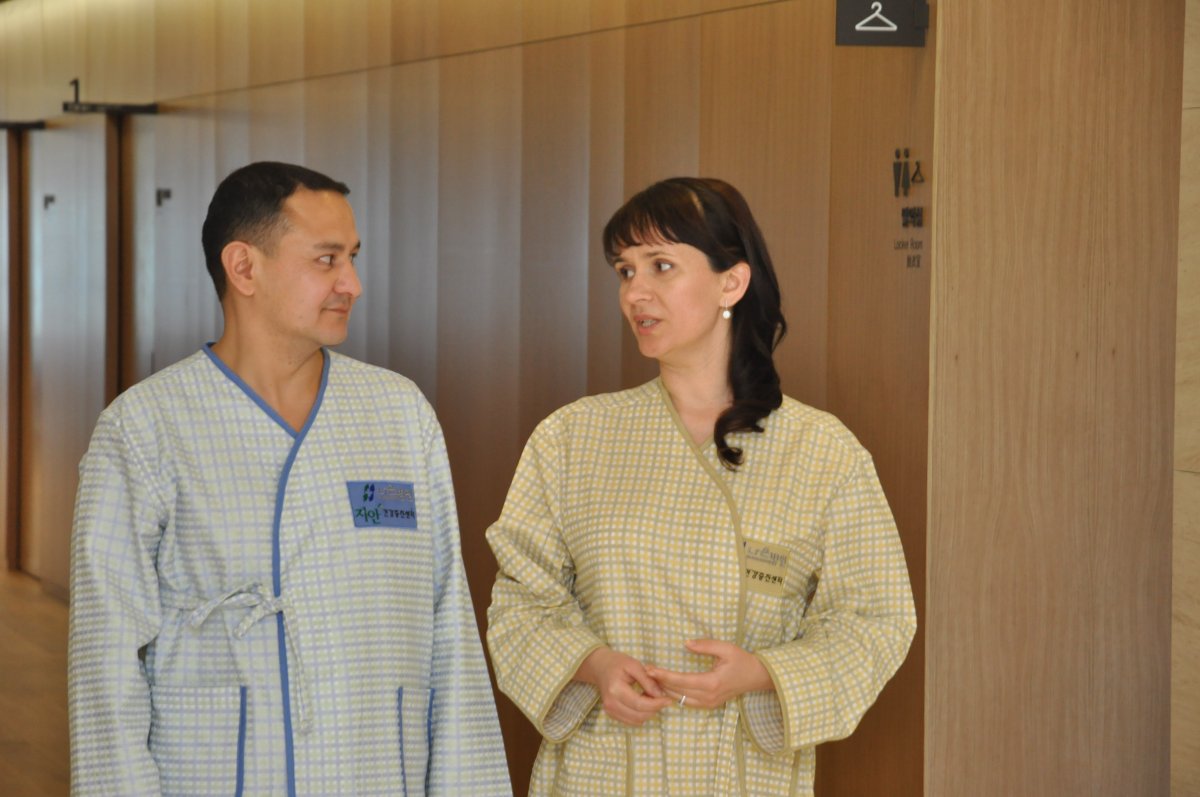


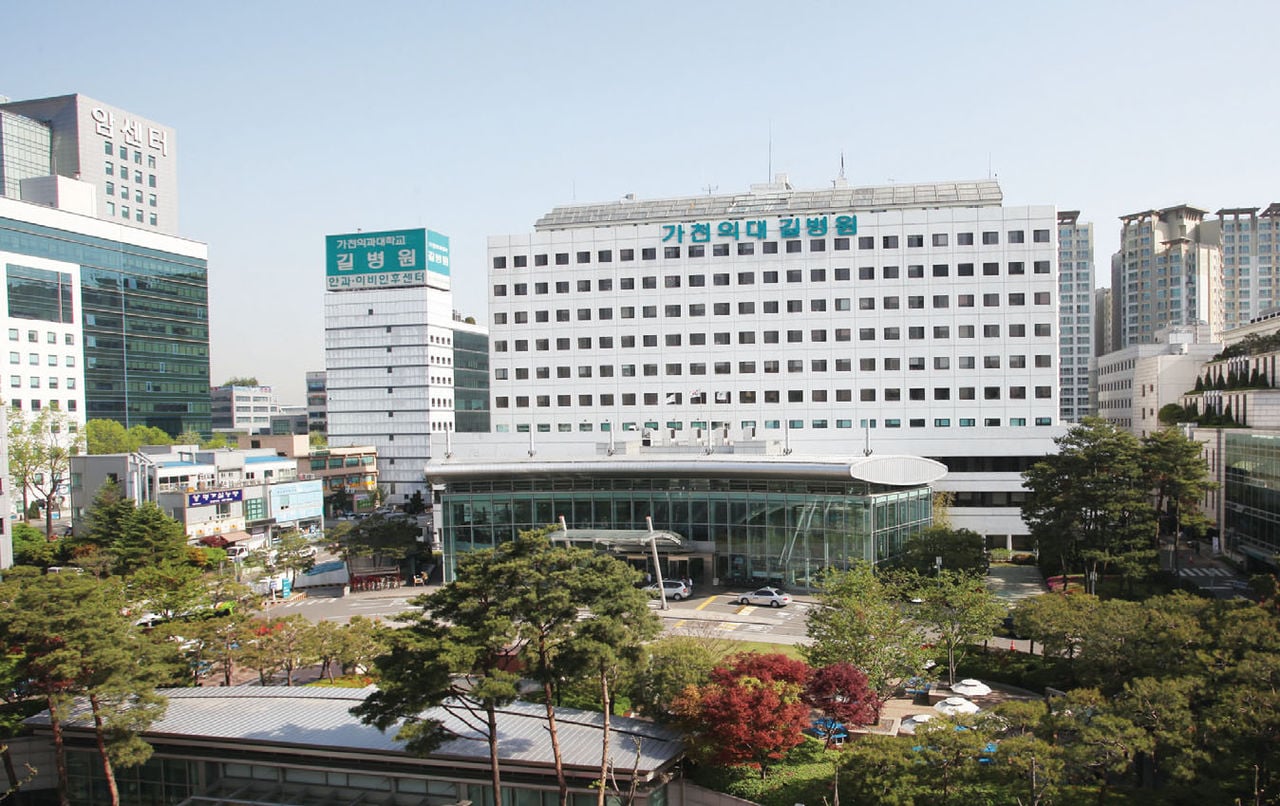
Ewha Womans University Medical Center
Paik Nam-sun








Get a Medical Assessment for Asthma in Republic of Korea: Consult with Experienced Doctors Now
View all Doctors
Park Young Kyu
Dr. Park Young Kyu is a plastic surgeon at SAERO Plastic Surgery in Seoul. He graduated summa cum laude from Hallym University. Dr. Park earned the Top Medical Resident award from the Korean Society of Plastic Surgeons. He currently serves as an adjunct professor at Gangnam Sacred Heart Hospital.
- Specializes in complex facial contouring, deep plane facelifts, and revision rhinoplasty.
- Member of the International Society of Aesthetic Plastic Surgery (ISAPS).
- Active member of the American Society of Plastic Surgeons (ASPS).
- Sits on the KSPRS steering committees for anti-aging and filler research.
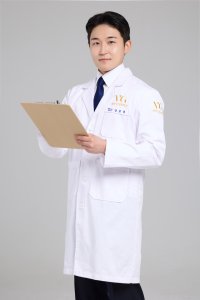
Yang Jong Phil
Dr. Yang Jong Phil is a board-certified plastic surgeon at VG Plastic Surgery in Seoul. He specializes in facial bone contouring, rhinoplasty, and blepharoplasty. He completed a clinical fellowship at the University of Chicago Medical Center. Dr. Yang is an active member of the American Society for Aesthetic Plastic Surgery (ASAPS).
- Holds membership in the International Confederation for Plastic, Reconstructive and Aesthetic Surgery.
- Maintains active status within the AO Foundation and the American Society of Plastic Surgeons.
- Specializes in regenerative techniques using adipose-derived stem cells and lipoplastic surgery.
- Works at KOIHA-accredited VG Plastic Surgery, which serves patients from 47 countries.

Kim Sung Sik
Dr. Kim Sung Sik is a plastic surgeon at the JK Plastic Surgery Center in Seoul. He specializes in facial contouring, anti-aging, and rhinoplasty. Dr. Kim completed his residency and internship at Seoul St. Mary’s Hospital. He holds a postgraduate degree in plastic surgery from the Catholic University Medical School.
- Member of the International Society of Plastic Surgery.
- Certified by the Korean Society of Plastic and Reconstructive Surgeons.
- Performs specialized procedures including deep plane facelifts and revision rhinoplasty.
- Treats patients at a clinic with a 100% success rate for all procedures.
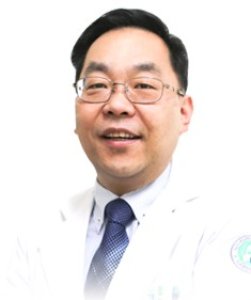
Hwang Dongin
Dr. Hwang Dongin is a pulmonologist in pulmonary and critical care. He specializes in pneumonia, pulmonary tuberculosis, chronic cough, chronic lung diseases, allergic rhinitis, asthma, and pulmonary intensive care.
At Daelim Saint Mary's Hospital, he serves as Chief/Senior Chief of Pulmonology and as a Designated Attending Physician. He is also Director of Medical Training and the Medical Cooperation Center, and serves as CMO. He is a Clinical Professor at the Catholic University of Korea St. Mary's Hospital. He is an affiliated physician with Samsung, Asan, Severance, and Chung-Ang University Hospitals. He serves on the KMA Advisory Committee. He is a lifetime member of the Korean Academy of Tuberculosis and Respiratory Diseases. He is a full member of KASLC and KAAACI. He is an appointed Special Manuscript Reviewer for the Korean Society of Cardiology. He is a member of the Asthma and COPD research groups.
Share this content
Video Stories from Bookimed Patients
 Anna Leonova

Expert Overview about Asthma Treatment in Republic of Korea
What are the standard treatment approaches for asthma in the Republic of Korea?
Asthma treatment in the Republic of Korea follows international guidelines. Specialists use inhaled corticosteroids and combination therapies as first-line controllers. Major university hospitals in Seoul and Incheon provide immunotherapy and biological therapy for severe cases. Integrated care often combines Western medicine with traditional herbal therapies.
- Medical management: Doctors prescribe inhaled corticosteroids (ICS) and long-acting bronchodilators for chronic inflammation.
- Specialised therapy: Specialists at Gachon University Gil Medical Center offer biological and precision immunotherapy.
- Integrated approach: Centres like Severance Hospital combine modern diagnostics with traditional therapies for mild asthma.
- Quality standards: Top facilities hold JCI accreditation and KOIHA quality marks for respiratory care.
Bookimed Expert Insight: Korea's respiratory care excels through high-volume university systems. Severance Hospital treats 4,000,000 outpatients annually. This allows doctors to manage extremely rare asthma phenotypes. Leading specialists like Dr Sang Heon Cho bring over 40 years of experience. High case volume provides refined protocols for complex allergic asthma that smaller centres cannot match.
Patient Consensus: Patients note that medical services in the Republic of Korea are efficient and well-organised. Many express relief at how quickly they can access specialists compared to seeking treatment in other countries.
Does the Republic of Korea offer specialised medical care for severe or hard-to-control asthma?
The Republic of Korea provides specialised care for severe asthma through JCI-accredited tertiary hospitals. Specialist clinics manage refractory cases using biological therapies and precision immunotherapy. Academic centres like Severance Hospital use diagnostic tests to identify specific asthma phenotypes for targeted treatment.
- Specialist expertise: Dr Sang Heon Cho at Gwangdong Hospital specialises in biological therapies and precision immunotherapy.
- Specialised diagnostics: Clinics perform pulmonary function tests and complex screenings to manage treatment-resistant respiratory conditions.
- Clinical registries: The Korean Severe Asthma Registry (KoSAR) informs evidence-based protocols for hard-to-control cases.
- Institutional volume: Major Seoul facilities such as Severance Hospital serve over 1,000,000 outpatients annually.
Bookimed Expert Insight: South Korea has 76 respiratory-capable clinics. However, the best care for severe asthma is at university-affiliated hospitals. These centres, such as Gachon University Gil Medical Center, have teams of 500+ doctors. This scale gives patients access to niche biological drugs that smaller clinics rarely stock.
Patient Consensus: Patients find travelling for specialist care straightforward. They note that hospital visits are very efficient. Patients recommend confirming access to respiratory specialists and biological therapy options before arriving in Seoul.
Do I need a written Asthma Action Plan when receiving asthma treatment in the Republic of Korea?
A written Asthma Action Plan is not legally mandatory for treatment in the Republic of Korea. Most Korean clinics follow international GINA guidelines for managing symptoms. Patients should request a plan from their doctor for clear medication instructions and emergency steps.
- Hospital standards: JCI-accredited facilities like Severance Hospital serve 1.6 million outpatients annually.
- Expert care: Specialists like Dr Sang Heon Cho have managed asthma for over 40 years.
- Specialised therapies: Clinics offer biological therapy and precision immunotherapy for complex asthma cases.
- School requirements: Written plans are highly advisable for children in Korean school or daycare.
Bookimed Expert Insight: Korea's medical system manages massive patient volumes. Severance Hospital alone sees 4,000,000 patients every year. Because of this high pace, doctors may not automatically provide a written action plan. Patients should request a translated document during their first appointment to overcome language barriers.
Patient Consensus: Patients find that bringing a list of current inhalers and triggers avoids confusion. Carrying preventer and reliever medication in hand luggage ensures easy access while navigating the system.
What are the recommended procedures for managing asthma exacerbations while in the Republic of Korea?
South Korean protocols for asthma exacerbations prioritise rapid bronchodilation using inhaled corticosteroid-formoterol relievers. Specialists like Dr Sang Heon Cho at Gwangdong Hospital follow Korean Asthma Guidelines. This includes using salbutamol if preferred relievers are unavailable. Emergency care involves systemic steroids and oxygen. Standard kits include spacers and personal action plans.
- Preferred reliever: Use low-dose inhaled corticosteroid-formoterol immediately when symptoms worsen.
- Alternative medication: Apply a short-acting beta-agonist like salbutamol if formoterol is unavailable.
- Emergency access: Dial 119 for ambulance services or visit JCI-accredited centres like Severance Hospital.
- Clinical expertise: Dr Sang Heon Cho at Gwangdong Hospital has over 40 years of experience.
Bookimed Expert Insight: South Korea is a hub for allergy research. Dr Sang Heon Cho helped establish the country's first allergy clinic. He also served as Chair of the International Asthma Society Asia-Pacific. Patients benefit from this long-standing clinical infrastructure. Large centres like Severance Hospital treat 4,000,000 patients annually. This volume means medical teams are highly proficient in managing complex respiratory cases.
Patient Consensus: Patients find that accessing specialist care in South Korea is efficient and well-organised. They express high satisfaction with the thoroughness of clinical staff at major Seoul hospitals.
Are there specific environmental triggers to consider when managing asthma in the Republic of Korea?
Asthma management in the Republic of Korea requires monitoring seasonal yellow dust and high fine dust levels. Patients should track the local air quality index daily. Major centres like Severance Hospital provide immunotherapy to help manage these triggers during peak pollution periods.
- Yellow dust: Seasonal desert sand can carry industrial pollutants and heavy metals.
- Fine particles: PM 2.5 and PM 10 levels are often high in Seoul.
- Seasonal pollens: Tree pollens peak in spring while ragweed is common in autumn.
- Humid summers: High humidity during monsoon season often triggers indoor mould growth.
Bookimed Expert Insight: Korean specialists like Dr Sang Heon Cho often focus on biological therapies for complex cases. He established the country's first allergy clinic in 1979. This clinical depth explains why Seoul hospitals manage 4,000,000 yearly patients with such high precision.
Patient Consensus: Patients in the Republic of Korea note that checking air quality daily is vital. They found that using KF94 masks and portable air filters made a measurable difference during smoggy periods.
How frequent should follow-up appointments be when receiving asthma treatment in the Republic of Korea?
Standard asthma care in South Korea requires at least 3 hospital visits annually. New or poorly controlled cases often require monthly appointments. Stable patients typically transition to reviews every 3 to 6 months. JCI-accredited centres in Seoul and Incheon provide continuous management to prevent emergencies.
- Initial frequency: Poorly controlled patients may require monthly consultations to achieve stability.
- Stable frequency: Controlled patients usually attend reviews every 3 to 6 months.
- Institutional volume: Severance Hospital serves 1.6 million outpatients annually using digital records.
- Expert care: Dr Sang Heon Cho at Gwangdong Hospital specialises in biological therapies.
Bookimed Expert Insight: Korea's specialised allergy clinics often use biological and precision immunotherapy earlier than general departments. This includes the clinic at Gwangdong Hospital. While HIRA data suggests 3 visits yearly, a WAO Center of Excellence may offer more personalised monitoring. This is helpful for complex, immune-mediated cases.
Patient Consensus: Patients note it is important to confirm review schedules before starting care. Most find the coordination in South Korea efficient. They value understanding exactly when to return if inhaler use increases.