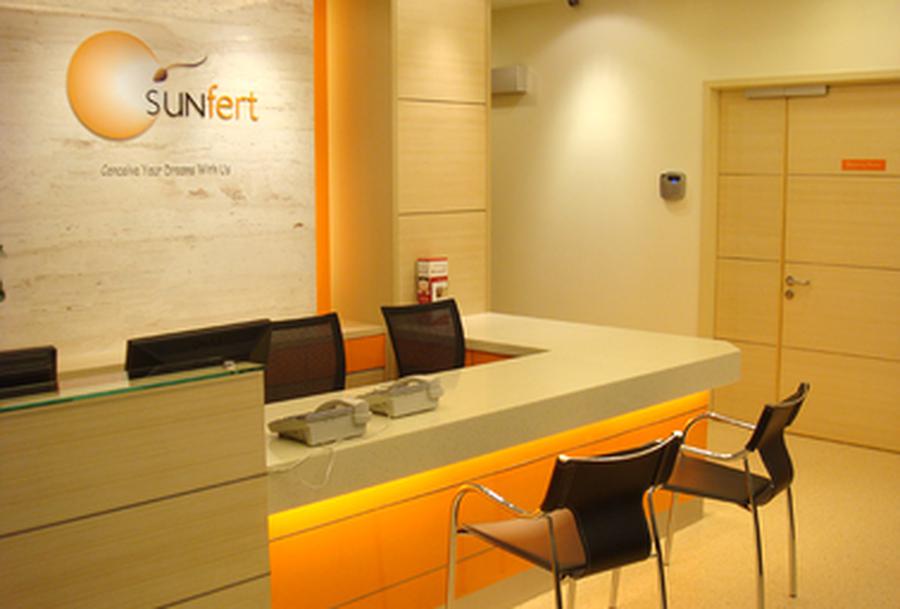
Sunfert International Fertility Centre
Malaysia, Selangor


Medically reviewed by
Fahad Mawlood
Immunology services in Malaysia typically cost from AUD $3,800 to AUD $8,900. Prices are influenced by the complexity of the therapy, whether you require diagnostic screenings or advanced immunotherapy, and the hospital type. Australian patients often find savings of 40–60% compared to private healthcare prices in Australia.
Typical Immunology Costs in Malaysia
Main medical centres for immunology are located in Kuala Lumpur and Penang. These cities offer faster access to specialists than the long waiting lists often found in Australia. Request a consultation with an immunology specialist to get accurate pricing for your specific medical needs.
| Malaysia | Thailand | Turkey | |
|---|---|---|---|
| Umbilical cord stem cell therapy | ≈ AUD $5,300 | from AUD $1,500 | ≈ AUD $5,300 |
| Therapeutic Apheresis | ≈ AUD $680 | from AUD $8,900 | from AUD $6,800 |
| Selective Apheresis | ≈ AUD $2,700 | ≈ AUD $1,700 | ≈ AUD $1,800 |
| Plasmapheresis | ≈ AUD $2,300 | ≈ AUD $1,800 | from AUD $4,800 |
| Plasma Exchange | ≈ AUD $4,500 | ≈ AUD $4,200 | ≈ AUD $2,700 |
No hidden fees – just official clinic prices. Pay at the clinic for Immunology treatment upon arrival and use a flexible instalment plan if needed.
Bookimed is committed to your safety. We only work with medical institutions that maintain high international standards in Immunology treatment and have the necessary licenses to serve international patients worldwide.
Bookimed offers free expert assistance. A personal medical coordinator supports you before, during, and after your treatment, solving any issues. You're never alone on your Immunology treatment journey.


 Anna Leonova

Malaysian immunologists mainly treat blood cancers like lymphoma, leukaemia, and chronic lymphocytic leukaemia. Treatment focuses on chemotherapy and immunotherapy. Australian patients typically seek immunology care for these conditions. Allergy and autoimmune disorder treatments are less common among Australian medical tourists in Malaysia.
Bookimed Expert Insight: Australian patients head to Malaysia mainly for blood cancers treated with chemo and immunotherapy. Some clinics offer specialised stem cell and immune enhancement therapies too. Allergy and autoimmune disorders rarely feature for Australians, so confirm immunology service scope when researching.
Patient Consensus: Australians value Malaysia for lymphoma care combining chemotherapy and immunotherapy. They note clear cost savings and good follow-up options. Allergy or autoimmune care is rarely mentioned.
Australian patients can find immunology specialists mainly in Kuala Lumpur and Selangor. Malaysian clinics offer allergy and immune therapies like umbilical cord stem cell treatments. Specialist care often includes both adult and paediatric immunology. English-speaking doctors make communication straightforward for Australians.
Bookimed Expert Insight: Even without many dedicated immunologists listed, clinics in Selangor and Penang provide modern immune treatments. Malaysians focus on outpatient allergy and immune care, so Australians often choose broader Southeast Asian options like Thailand. Expect English-speaking doctors and therapies ranging from stem cell to IV treatments.
Patient consensus: Australians say Malaysian specialists are good for allergy and immune outpatient care. Some note Malaysia suits less complex cases, with local doctors easy to talk to and clinics offering clear treatment plans.
Malaysia offers allergen-specific IgE blood tests and screening panels for allergies. Private clinics provide food and environmental allergy panels with fast results, especially in Kuala Lumpur and Penang.
Bookimed Expert Insight: Malaysia's allergy diagnostics are concentrated in private clinics around Kuala Lumpur and Penang. Although extensive panels exist, options for severe allergy management and emergency-ready testing remain limited. Medical tourists should consider clinics with broad IgE testing and fast turnaround, such as those offering 96-allergen panels, to speed diagnosis.
Patient consensus: Patients note allergy testing is widely available but limited for severe allergies. Clinics in Malaysia focus on common allergens, and faster results come from private labs in big cities. They also recommend bringing own medication and allergy info due to local awareness differences.
Allergy immunotherapy in Malaysia usually takes 3 to 5 years for lasting relief. Symptom improvement often starts within 4 to 6 months. Both daily sublingual tablets and allergy injections require strict, long-term commitment under specialist care.
Bookimed Expert Insight: Malaysia’s immunotherapy mainly targets dust mite allergies, common in the region. Although no top allergy clinics are listed, wellness centres like VITA Medical Wellness Resort Penang offer patient-focused care with multidisciplinary support, useful for those combining allergy treatment with general health recovery. Patients benefit most from steady follow-up through dedicated specialists, which tends to improve treatment consistency and outcomes.
Patient consensus: Patients say immunotherapy in Malaysia needs dedication but really works long-term. They highlight early symptom easing within a few months. Compliance and specialist follow-ups stand out as important for steady progress and full benefits.