12 Best Keloid scars Treatment Clinics in India — AUD Prices

Medically reviewed by
Abdulcabbar Kartal
What's the Cost of Keloid scars Diagnosis and Treatment in India?
Your Benefits and Guarantees with Bookimed
Transparent Prices & Flexible Installments
No hidden fees – just official clinic prices. Pay at the clinic for Keloid scars treatment and use a flexible instalment plan if needed.
Verified Clinics & Doctors Only
Bookimed is committed to your safety. We only work with medical institutions that maintain high international standards in Keloid scars treatment and have the necessary licenses to serve international patients worldwide.
Free 24/7 Assistance
Bookimed offers free expert assistance. A personal medical coordinator supports you before, during, and after your treatment, solving any issues. You're never alone on your Keloid scars treatment journey.

Your personal Bookimed medical coordinator
- Supports you at every stage
- Helps choose the right clinic and doctor
- Ensures quick and convenient access to information
Best Keloid scars Treatment Centres in India for Australians: 12 Verified Options and AUD Prices



Global Hospital Chennai
Sandeep Attawar






Dr. Rela Institute & Medical Centre



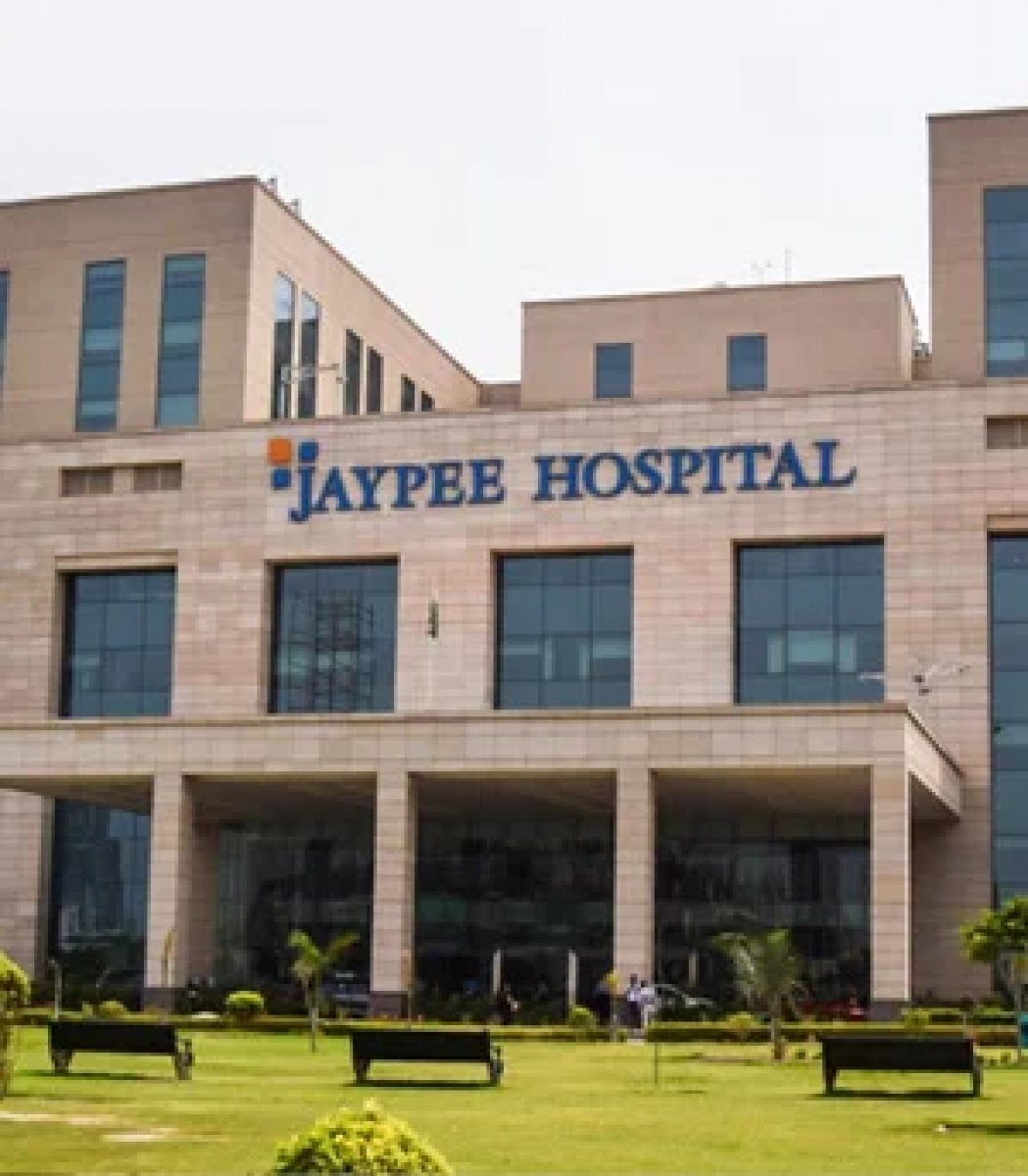
Jaypee Hospital

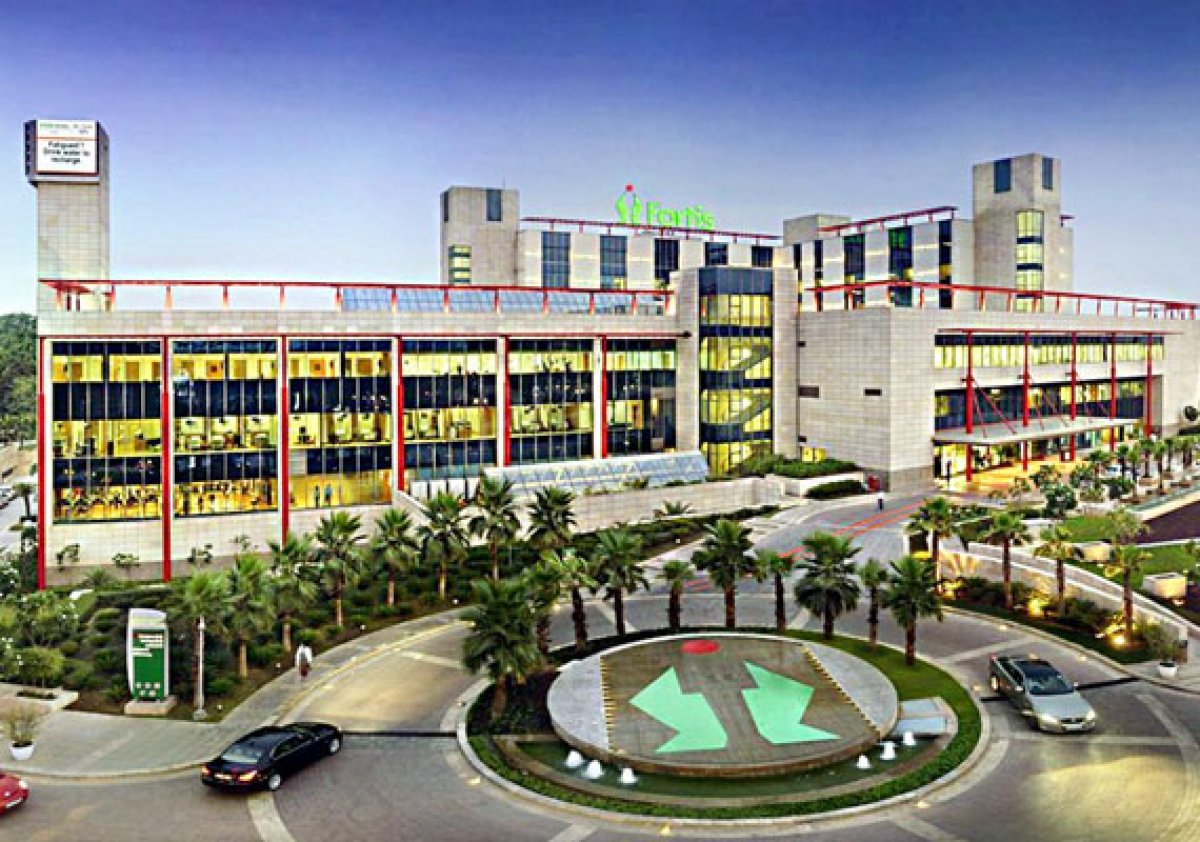
Fortis Hospital
Get a Medical Assessment for Keloid scars in India: Consult with Experienced Doctors Now
View all Doctors
Rangnath Jhawar
Sandeep Attawar
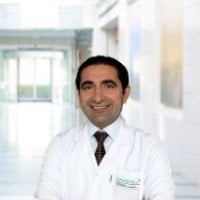
Dr. Sandeep Attawar is a cardiothoracic surgeon who has performed 10,000+ heart surgeries. He serves as the Director of the Lung Transplant Program at Gleneagles Global Health City. Dr. Attawar specializes in complex heart and lung transplants for both adults and children. He maintains an 85–90% success rate for thoracic organ transplant procedures.
- Member of the International Society for Heart and Lung Transplantation.
- Expertise includes mechanical circulatory support and pediatric cardiac surgery.
- Holds membership in the European Association for Cardio-Thoracic Surgery.
- Works at a clinic recognized among the World's Best Smart Hospitals by Newsweek.

Srikanth V
The doctor is a highly experienced plastic surgeon with over 15 years in the field, specializing in reconstructive and cosmetic surgery. They have performed over 5,000 successful procedures, including complex facial reconstructions and body contouring surgeries. The doctor is board-certified by the American Board of Plastic Surgery and is a fellow of the American College of Surgeons. They have published numerous articles in peer-reviewed journals and are actively involved in teaching and mentoring surgical residents. Their practice is renowned for innovative techniques and patient-centered care.

Ravi Mohanka
Dr. Ravi Mohanka has performed over 1,300 transplants with an 88% patient survival rate. He is the Head of Liver Transplant and Hepato-Biliary Surgery at Global Hospital Mumbai. Dr. Mohanka specializes in liver, pancreas, and intestinal transplants for adults and children. He fits complex cases using laparoscopic and robotic surgical techniques.
- Trained at the Thomas E. Starzl Transplantation Institute in the USA.
- Published 35 scientific articles and five book chapters on transplant surgery.
- Former surgeon at Medanta and Sir Ganga Ram Hospital.
- Treats liver cancer using advanced resection and transplantation methods.
Share this content
Video Stories from Bookimed Patients
 Anna Leonova

Expert Overview about Keloid scars Treatment in India
Is keloid treatment in India permanent, or will the scar grow back?
Keloid treatment in India can provide permanent results through multimodal therapy. Surgery alone has a 45% to 100% recurrence risk. Combining excision with radiation or injections reduces regrowth rates to under 20%. Indian JCI and NABH-accredited facilities specialise in these preventative combination protocols.
- Multimodal therapy: Combining surgical excision with immediate radiation or steroid injections prevents collagen overgrowth.
- Superficial radiation: Applying low-dose radiation within 24 hours of surgery destroys hyperactive scar cells.
- Triple-action injections: Mixing steroids with chemotherapeutic agents dissolves the scar framework more effectively.
- Linear accelerators: Precision equipment at centres like Dr. Rela Institute targets scars with 1 mm accuracy.
- Pressure therapy: Custom garments worn for several months physically block blood flow to the keloid.
Bookimed Expert Insight: India's large multi-specialty hospitals, such as Manipal or Fortis, treat over 2,000,000 patients annually. Plastic surgery departments at these hospitals handle hundreds of keloid cases. Australian patients should choose these high-volume centres. Their surgeons have refined protocols for difficult chest or earlobe keloids that often resist treatment.
Patient Consensus: Patients in India emphasise that surgery is just the first step. Keloids can return larger without strict aftercare. They recommend confirming the 24-hour post-op radiation plan. They also advise using pressure garments for the full 12-month recovery window.
Are people with skin types similar to those in India more prone to developing keloids?
People with South Asian skin types are more prone to developing keloid scars. Most South Asian complexions fall between types 3 and 6 on the Fitzpatrick scale. These skin types are up to 15 times more likely to experience pathological scarring.
- Melanocyte activity: Active pigment cells can alter fibroblast growth. This often leads to excess collagen.
- Genetic factors: Approximately 33% of patients have a first-degree relative with similar scarring issues.
- Age risk: Keloids appear most frequently in patients aged between 10 and 30 years.
- Trauma triggers: Scars typically form after piercings, surgery, severe acne, or minor burns.
Bookimed Expert Insight: Indian clinics like Fortis Shalimar Bagh house dedicated centres for plastic surgery. These specialist units manage the high local volume of keloid cases. Centres such as Manipal Hospitals serve 2,000,000 patients annually. Their clinicians handle these specific skin types every day. This high volume often results in refined protocols for preventing scar recurrence.
Patient Consensus: Patients with darker skin tones emphasise mentioning prior keloids before undergoing elective procedures. Many note that one scar often predicts a higher chance of developing more later.