31 Best Endometriosis Treatment Clinics in India — AUD Prices


Medically reviewed by
Esra Cabuk Comert
What's the Cost of Endometriosis Diagnosis and Treatment in India?
Endometriosis treatment cost in India depends on the severity of the condition and the surgical approach. Laparoscopic surgery for endometriosis typically ranges from AUD $3,900 to AUD $6,500, with final prices influenced by the clinic tier and disease stage. Patients generally save between 60% and 80% compared to private healthcare costs in Australia. Top medical hubs for these procedures include Delhi, Mumbai, and Gurgaon.
Typical Endometriosis Treatment Costs in India
- Laparoscopic surgery for endometriosis: AUD $3,900 – AUD $6,500
- Cervix conization: AUD $1,700 – AUD $2,900
- The Wertheim-Meigs operation: AUD $7,300 – AUD $10,600
Bookimed Expert Insight: For patients requiring complex surgical intervention, JCI-accredited facilities like Manipal Hospitals and Global Hospital Chennai offer high-volume expertise. Specialists such as Dr Neeru Thakral have performed over 20,000 procedures, providing the experience needed for advanced cases. If you need robotic assistance, Fortis Gurgaon uses the Da Vinci system to improve precision during deep tissue excision.
| India | Thailand | Turkey | |
|---|---|---|---|
| The Wertheim-Meigs operation | ≈ AUD $7,300 | ≈ AUD $11,300 | from AUD $8,500 |
| Laparoscopic surgery for endometriosis | ≈ AUD $3,900 | from AUD $17,500 | from AUD $8,300 |
| Cervix Conization | ≈ AUD $1,700 | ≈ AUD $2,300 | from AUD $1,200 |
Your Benefits and Guarantees with Bookimed
Transparent Prices & Flexible Installments
No hidden fees – just official clinic prices. Pay at the clinic for Endometriosis treatment and use a flexible instalment plan if needed.
Verified Clinics & Doctors Only
Bookimed is committed to your safety. We only work with medical institutions that maintain high international standards in Endometriosis treatment and have the necessary licenses to serve international patients worldwide.
Free 24/7 Assistance
Bookimed offers free expert assistance. A personal medical coordinator supports you before, during, and after your treatment, solving any issues. You're never alone on your Endometriosis treatment journey.

Your personal Bookimed medical coordinator
- Supports you at every stage
- Helps choose the right clinic and doctor
- Ensures quick and convenient access to information
Best Endometriosis Treatment Centres in India for Australians: 31 Verified Options and AUD Prices




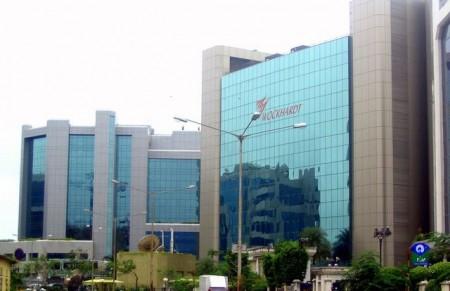
Wockhardt Hospital




Global Hospital Chennai
Sandeep Attawar










Dr. Rela Institute & Medical Centre
Get a Medical Assessment for Endometriosis in India: Consult with Experienced Doctors Now
View all Doctors
Ashwini Ajgaonkar
Meenakshi Gaur
Meenakshi Bisht
Share this content
Video Stories from Bookimed Patients
 Anna Leonova
Expert Overview about Endometriosis Treatment in India
What is the likelihood of symptom recurrence after endometriosis surgery in India?
Endometriosis recurrence in India typically occurs in 20% to 40% of patients within five years. Specialist excision surgery reduces this risk to 0.5%–15%. Success depends on the surgeon's expertise and the use of post-operative hormonal suppression.
- Surgical technique: Excision removes lesions entirely whereas ablation often leaves roots behind.
- Clinical expertise: Specialist centres report 10%–15% recurrence compared to 50%–80% for generalists.
- Staging impact: Stage III or IV endometriosis carries higher risks of recurrence.
- Hormonal therapy: Post-operative suppression can reduce two-year recurrence from 29% to 3%.
Bookimed Expert Insight: India's top specialists often hold international credentials. For example, Dr Neeru Thakral trained in France and Germany. Patients benefit most from centres like Dr Rela Institute. These clinics use Da Vinci robotic systems for high-precision excision. This technology allows surgeons to remove deep-seated lesions that traditional methods might miss.
Patient Consensus: Patients in India find that specialist excision provides better relief than general surgery. They emphasise that managing pain with post-operative hormones helps significantly if symptoms return.
Which surgical techniques are used for endometriosis treatment in India, and what should I ask my specialist?
Indian specialists primarily perform laparoscopic excision. This is the gold standard for removing endometriosis roots and reducing recurrence. Centres in Mumbai and Gurgaon also offer robotic-assisted surgery and fertility-sparing cystectomy. Patients should confirm surgical methods and multidisciplinary support before booking JCI-accredited hospital treatment.
- Laparoscopic excision: Surgeons cut out diseased tissue rather than burning it to avoid recurrence.
- Robotic surgery: Systems like Da Vinci allow high precision for deep infiltrating disease involving organs.
- Fertility preservation: Specialists focus on protecting the ovarian reserve and egg quality during surgery.
- Diagnostic protocol: Laparoscopy remains the definitive way to confirm and treat lesions in one procedure.
Bookimed Expert Insight: Indian centres like Manipal Hospitals serve 2,000,000 patients annually. This creates a high-volume environment where surgeons handle complex DIE cases daily. Specialists such as Dr Neeru Thakral have over 30 years of experience. She trained in France and Germany and combines specialised endoscopy with international protocols. This high volume leads to refined surgical techniques.
Patient Consensus: Patients in India advise asking for pathology reports and operative notes. These documents track exactly what was removed. They suggest confirming the surgeon performs full excision rather than surface ablation for the best long-term pain relief.
Can I conceive naturally following endometriosis treatment in India?
Patients can naturally conceive after endometriosis treatment in India. Success rates reach 70% for mild cases following laparoscopic excision. Indian hospitals use minimally invasive surgery to clear adhesions and unblock fallopian tubes. This restores pelvic anatomy and creates a 12-month window for natural conception.
- The golden window: Natural fertility peaks 6 to 12 months after surgical treatment finishes.
- Success by stage: Success rates range from 40–70% for early-stage endometriosis after surgery.
- Anatomy restoration: Surgeons at Manipal Goa Hospital use laparoscopy to remove cysts and scar tissue.
- Fertility focus: Specialists like Dr Neeru Thakral use endoscopy to preserve ovarian reserve.
Bookimed Expert Insight: Indian tertiary centres like Artemis Hospitals and BLK Super Speciality Hospital hold JCI accreditation. This accreditation means surgical safety standards match Australian expectations. Doctors such as Dr Neeru Thakral have over 30 years of experience. They combine laparoscopic surgery with assisted reproduction. Patients should choose centres with both surgical and IVF units. This allows for a seamless transition if natural conception does not occur within a year.
Patient Consensus: Patients find that treating blocked tubes and adhesions in India significantly improves their pregnancy outlook. They suggest having a clear 12-month plan for natural attempts before starting IVF.
What are the recommended endometriosis specialists and hospital facilities in India?
India provides specialised endometriosis care through JCI-accredited facilities. Surgeons there specialise in robotic and laparoscopic excision. Top centres like Artemis, Medanta, and Manipal Hospitals offer multi-disciplinary teams. These groups include gynaecology, urology, and colorectal specialists to treat deep infiltrating endometriosis.
- Expert surgeons: Dr Jay Mehta and Dr Vivek Salunke specialise in complex bowel excision.
- Robotic technology: Apollo Hospital Hyderabad and Dr Rela Institute use Da Vinci robotic systems.
- Nationwide networks: Manipal Hospitals serves 2,000,000 patients annually across 15 hospitals and 3 clinics.
- Specialist credentials: Dr Neeru Thakral has over 30 years of experience with international training.
Bookimed Expert Insight: Many specialists focus on single-organ surgery. However, leading Indian institutions like Medanta and Artemis use multi-team surgical planning. Patients with stage 4 disease benefit from urologists and bowel surgeons being present. This approach often reduces the need for multiple operations and improves long-term pain outcomes.
What are the primary treatment pathways for endometriosis in Indian hospitals?
Indian hospitals treat endometriosis through structured steps. These focus on symptom control, hormonal suppression, and surgical excision. Major centres use a multidisciplinary approach. They combine medication with laparoscopy and fertility preservation. This path provides long-term management for pelvic pain and infertility.
- Medical management: Doctors use analgesics and hormonal therapies like Dienogest to suppress menstrual cycles.
- Laparoscopic excision: This surgery removes ectopic tissue while preserving healthy ovarian reserves.
- Robotic precision: Facilities like Dr. Rela Institute use Da Vinci systems for complex dissections.
- Fertility pathways: Specialists often combine surgery with egg freezing or immediate IVF treatment support.
Bookimed Expert Insight: Clinical experience is the key differentiator in India. Leading specialists like Dr Neeru Thakral have over 30 years of practice. She has performed over 20,000 successful deliveries. Centres such as Manipal and Artemis hold JCI and NABH accreditations. These credentials confirm they meet international standards. Large networks also handle over 2,000,000 patients annually. This massive volume ensures surgeons have handled virtually every case type.
Patient Consensus: Patients in India recommend finding a gynaecologist who specialises strictly in endometriosis rather than general care. They note that starting with pain control and hormonal suppression is standard before moving to laparoscopy.