5 Best Degenerative Spine Disease Treatment Clinics in India — AUD Prices

Medically reviewed by
Kayhan Turan
What's the Cost of Degenerative Spine Disease Diagnosis and Treatment in India?
| India | Thailand | Turkey | |
|---|---|---|---|
| Lumbar Laminectomy and Stabilization Surgery Single Level | ≈ AUD $7,200 | ≈ AUD $14,300 | from AUD $7,200 |
| Cervical Laminectomy and Stabilization Surgery Single Level | ≈ AUD $7,800 | ≈ AUD $14,300 | from AUD $21,100 |
Your Benefits and Guarantees with Bookimed
Transparent Prices & Flexible Installments
No hidden fees – just official clinic prices. Pay at the clinic for Degenerative Spine Disease treatment and use a flexible instalment plan if needed.
Verified Clinics & Doctors Only
Bookimed is committed to your safety. We only work with medical institutions that maintain high international standards in Degenerative Spine Disease treatment and have the necessary licenses to serve international patients worldwide.
Free 24/7 Assistance
Bookimed offers free expert assistance. A personal medical coordinator supports you before, during, and after your treatment, solving any issues. You're never alone on your Degenerative Spine Disease treatment journey.

Your personal Bookimed medical coordinator
- Supports you at every stage
- Helps choose the right clinic and doctor
- Ensures quick and convenient access to information
Best Degenerative Spine Disease Treatment Centres in India for Australians: 5 Verified Options and AUD Prices

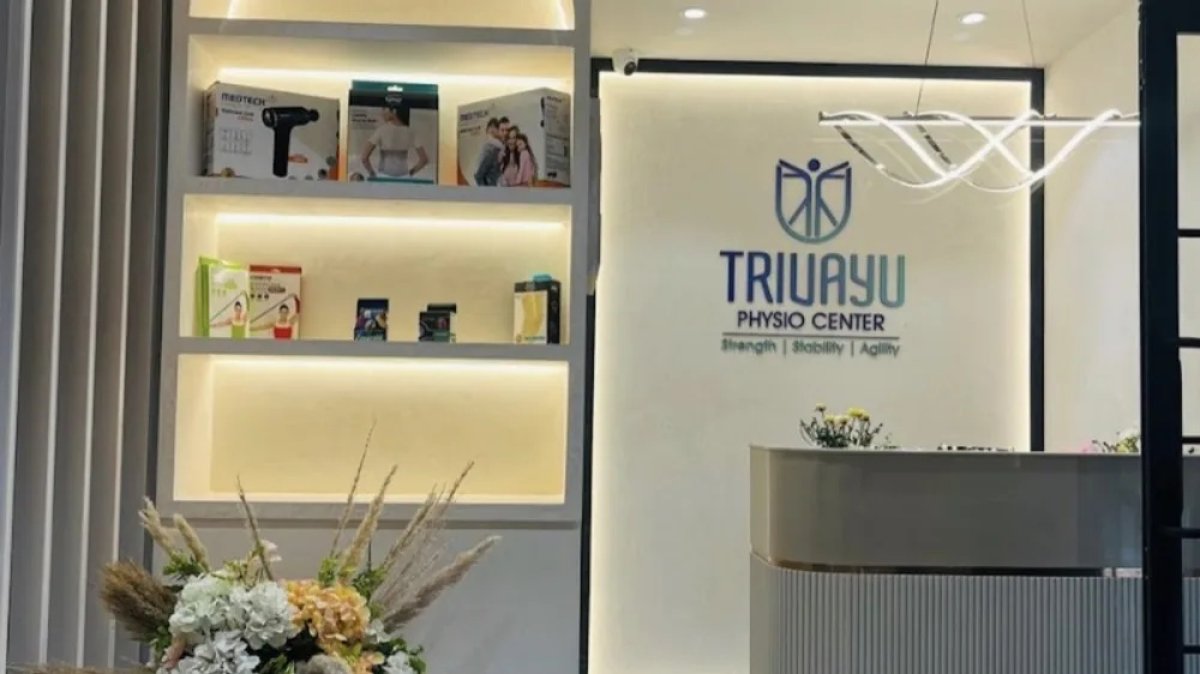
Trivayu Physio Center
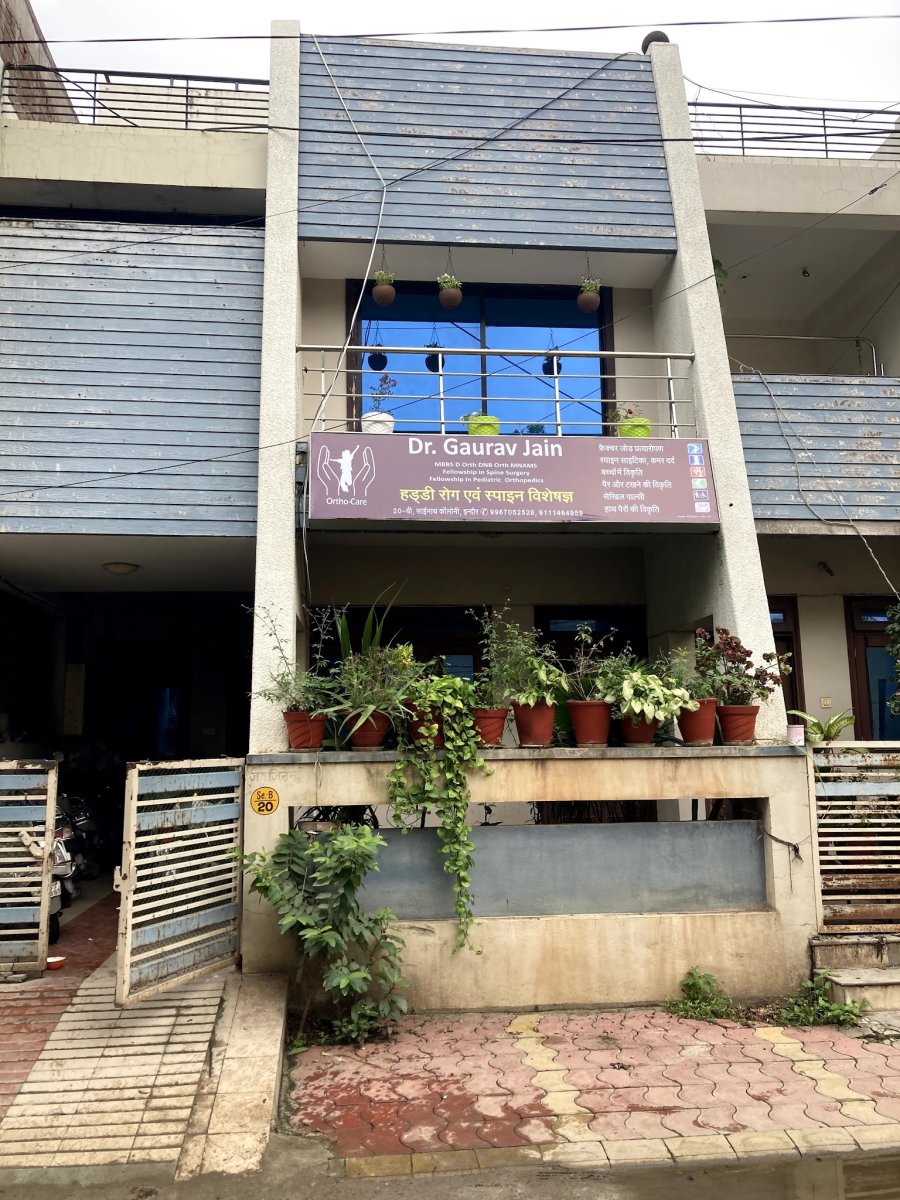
GDP Orthocare / GDP Care

Get a Medical Assessment for Degenerative Spine Disease in India: Consult with Experienced Doctors Now
View all Doctors
Maitri Shah
Share this content
Video Stories from Bookimed Patients
 Anna Leonova
Expert Overview about Degenerative Spine Disease Treatment in India
What is the success rate of degenerative spine disease treatment in India?
Treatment success rates for degenerative spine disease in India reach 85% to 95% for minimally invasive procedures. Artificial disc replacement shows over 90% success, while spinal fusion ranges between 70% and 90%. Specialists utilise robotic navigation and imaging to improve precision throughout the country.
- Minimally invasive surgery: These techniques involve smaller incisions and report success rates up to 95%.
- Regenerative therapy: Non-surgical options like PRP and stem cell therapy offer 75% to 90% improvement.
- Advanced technology: Hospitals use computer-assisted navigation and robotic systems to increase surgical accuracy.
- Specialist experience: Surgeons like Dr Venkatesh Movva at RegenOrthoSport India have performed 10,000+ procedures.
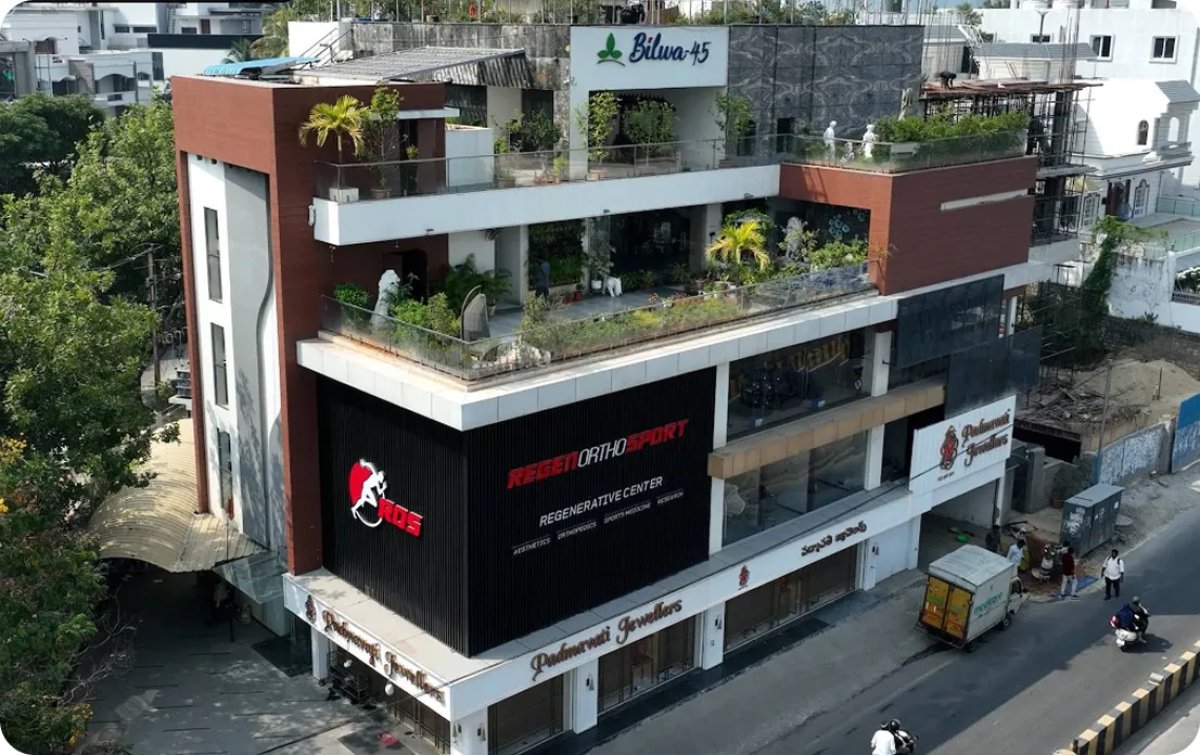
Bookimed Expert Insight: India is becoming a hub for non-surgical regenerative spine care alongside traditional surgery. Clinics like RegenOrthoSport India were founded by specialists with over 30 years of experience. They focus on injection-based therapies such as BMAC and PRP. For patients wanting to avoid the knife, these 90-minute procedures often provide relief within six weeks.
Patient Consensus: Patients note that outcomes are highly individual and depend on the number of affected spinal levels. Many emphasise that surgery helps. However, physiotherapy remains a vital part of managing long-term recovery in India.
When is surgery considered necessary for degenerative spine disease treatment in India?
Indian specialists consider spine surgery necessary when neurological deficits like muscle weakness, limb numbness, or loss of bowel control appear. Most surgeons only recommend operating after three to six months of failed conservative care. Procedures like laminectomy or spinal fusion address severe nerve compression and structural instability.
- Neurological decline: Surgery is vital if limb weakness or numbness worsens over time.
- Conservative failure: Persistent pain despite six months of physiotherapy often triggers surgical review.
- Structural instability: Severe disc degeneration or stenosis confirmed by spinal MRI requires stabilisation.
- Functional loss: Inability to stand or walk normally indicates a need for intervention.
- Emergency cases: Rapid onset of bladder or bowel dysfunction requires immediate decompression surgery.
Bookimed Expert Insight: Indian clinics increasingly bridge the gap between physiotherapy and surgery using regenerative medicine. Specialists like Dr Maitri Shah at RegenOrthoSport India offer BMAC and PRP therapies for degenerative cases. These options serve as a final non-surgical check before proceeding to theatre for complex laminectomies.
Patient Consensus: Patients in India emphasise that imaging results alone rarely justify surgery. They must match physical symptoms. Experience shows that specialists often dismiss surgery for pain-only cases. They push physical therapy and activity modification as the primary recovery path.
Can degenerative spine disease be cured or reversed with treatment in India?
Degenerative spine disease is a progressive condition that cannot be fully reversed. However, Indian specialists effectively manage symptoms and slow progression. Clinics use regenerative therapies, such as bone marrow aspirate concentrate (BMAC). These are combined with surgical decompression to restore mobility and eliminate chronic pain.
- Regenerative injections: Specialists use platelet-rich plasma (PRP) to help repair damaged spinal tissues.
- Decompression: Procedures like laminectomy relieve pressure on the spinal cord and nerves.
- Precision diagnostics: Centres utilise MRI and fluoroscopy-guided imaging to target specific degenerated discs.
- Stabilisation surgery: Surgeons perform spinal fusion or stabilisation to manage extreme instability or wear.
Bookimed Expert Insight: Indian clinics are shifting toward non-surgical preservation. Dr Venkatesh Movva at RegenOrthoSport India has performed over 10,000 orthopaedic procedures. This high volume allows specialists to identify precisely which patients will benefit from 90-minute regenerative injections. These patients can avoid invasive spinal fusion surgery.
Patient Consensus: Patients in India warn against jumping straight into surgery. They emphasise that core strengthening and posture correction are essential for long-term relief from stiffness and nerve pain.
What are the common surgical options for degenerative spine disease in India?
India offers surgical options for degenerative spine disease. These include endoscopic decompression, artificial disc replacement, and spinal fusion. Specialists use minimally invasive spine surgery (MISS). It treats herniated discs or stenosis through 8mm incisions. These techniques lead to faster recovery, with many patients walking within hours.
- Laminectomy and stabilisation: Surgeons remove parts of vertebrae to relieve nerve pressure while using rods for support.
- Endoscopic spine surgery: This technique uses a small camera for high-precision repairs with minimal muscle damage.
- Artificial disc replacement: This motion-preserving surgery replaces damaged discs, reporting 85% to 90% patient satisfaction.
- Robotic-assisted fusion: Robotic systems help surgeons place screws and rods with high accuracy.
Bookimed Expert Insight: Surgery treats structural issues. However, pain physicians like Dr Maitri Shah at RegenOrthoSport India specialise in image-guided regenerative therapies. This approach uses ultrasound or fluoroscopy for 100% injection accuracy. It can often delay or replace the need for surgery in stable cases. This non-surgical approach is highly effective. It works well for patients with pain but no neurological weakness.
Patient Consensus: Patients in India find that endoscopic methods lead to less blood loss. They recommend patients confirm their case's needs before booking. It may require simple decompression or a complex fusion involving implants.
How long does recovery from spinal surgery for degenerative spine disease in India take?
Full recovery after spinal surgery for degenerative spine disease in India typically takes 6 to 12 months. Patients generally stay in hospital for 1 to 3 days. Most people return to light activities after 4 to 6 weeks. Bone fusion and nerve regeneration can take up to 2 years.
- Hospitalisation phase: Most patients discharge within 3 days after minimally invasive spinal procedures.
- Initial mobility: Walking and standing typically begin within 24 hours to manage early pain.
- Work timeline: Returning to office-based work usually takes 4 to 6 weeks of recovery.
- Fusion healing: Complete bone integration after spinal fusion requires 6 to 12 months of monitoring.
- Nerve recovery: Significant nerve regeneration and strength rebuilding can continue for 24 months.
Bookimed Expert Insight: Indian clinics such as RegenOrthoSport India integrate regenerative methods. These include Platelet Rich Plasma (PRP) and stem cell therapy. Dr Maitri Shah uses these to support healing in degenerative cases. This approach can often provide relief within six weeks. It bridges the gap between surgical intervention and long-term biological recovery.
Patient Consensus: Patients find the first 4 to 8 weeks in India the most difficult. This is due to fatigue. Walking daily is the most effective tip for regaining strength. However, full running often takes 12 months.
What are the most effective non-surgical treatments for degenerative spine disease in India?
Non-surgical treatments in India effectively manage 90% of degenerative spine disease cases. Clinics use regenerative medicine and interventional pain management to achieve this. They specialise in Platelet-Rich Plasma (PRP) and Bone Marrow Aspirate Concentrate (BMAC) to repair tissue. These procedures avoid open surgery and usually take 90 minutes.
- Regenerative therapies: PRP and stem cell injections promote natural disc repair and reduce pain.
- Guided injections: Specialists use fluoroscopy or ultrasound for precise medication delivery.
- Interventional medicine: Radiofrequency ablation and epidural steroid injections disable pain signals without surgery.
- Targeted rehabilitation: Physiotherapy focuses on core-strengthening and McKenzie techniques to stabilise the spine.
Bookimed Expert Insight: Indian clinics like RegenOrthoSport offer a medical tourism pathway designed for international patients. Dr Venkatesh Movva has performed over 10,000 procedures, blending 30+ years of experience with rapid recovery protocols. Most patients report relief within six weeks, so these centres are highly efficient for those seeking long-distance care.
Patient Consensus: Patients find recovery is most consistent when combining core stability work, such as the McGill Big 3, with professional physiotherapy in India. Many note that walking and weight loss are vital for maintaining the pain relief achieved through clinical injections.