Neurosurgery
| treatment | |
|---|---|
| Vertebral Artery Angioplasty and Stenting | Price on request |
| Herniated disc surgery | Price on request |
| Endoscopic discectomy | Price on request |
| Discectomy | Price on request |
Prof. Dr. Özgür Kılıçkesmez runs a specialized interventional radiology practice in Istanbul, Turkey. The clinic focuses on non-surgical, image-guided treatments for neurovascular and spinal conditions. Key areas include stroke care, brain aneurysm embolization, and interventional oncology. Two professors lead the practice, both certified by the European Board of Interventional Radiology. Prof. Dr. Kılıçkesmez also holds Turkish Board certifications in Radiology and Interventional Radiology.
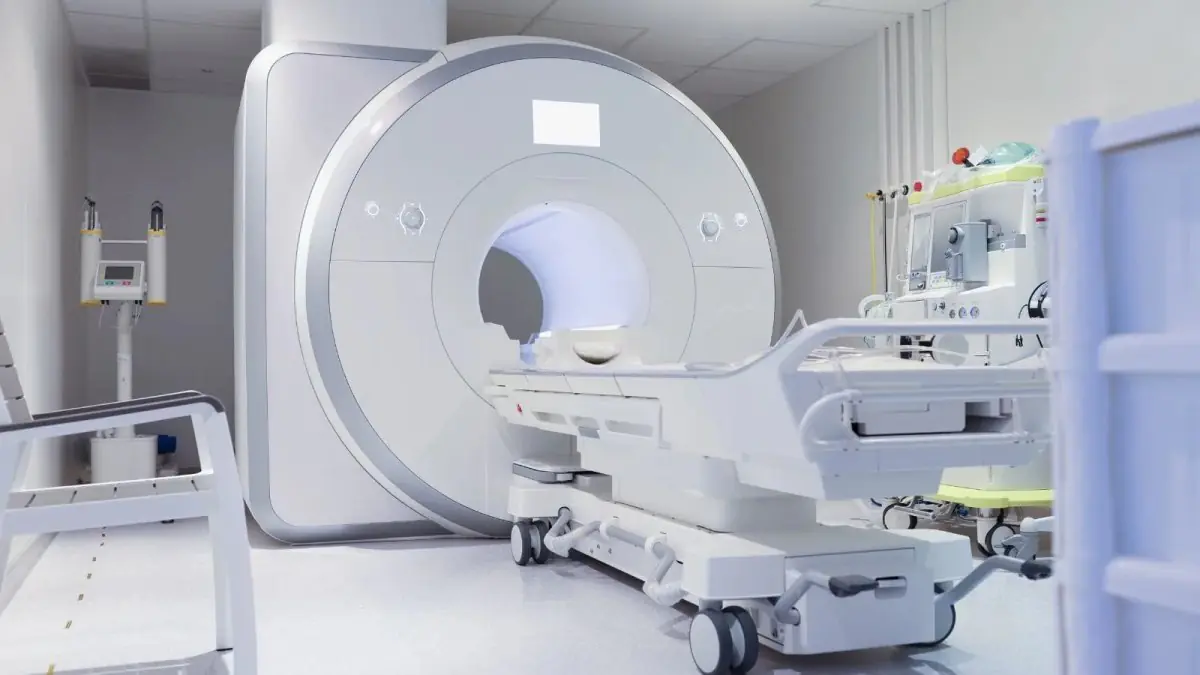
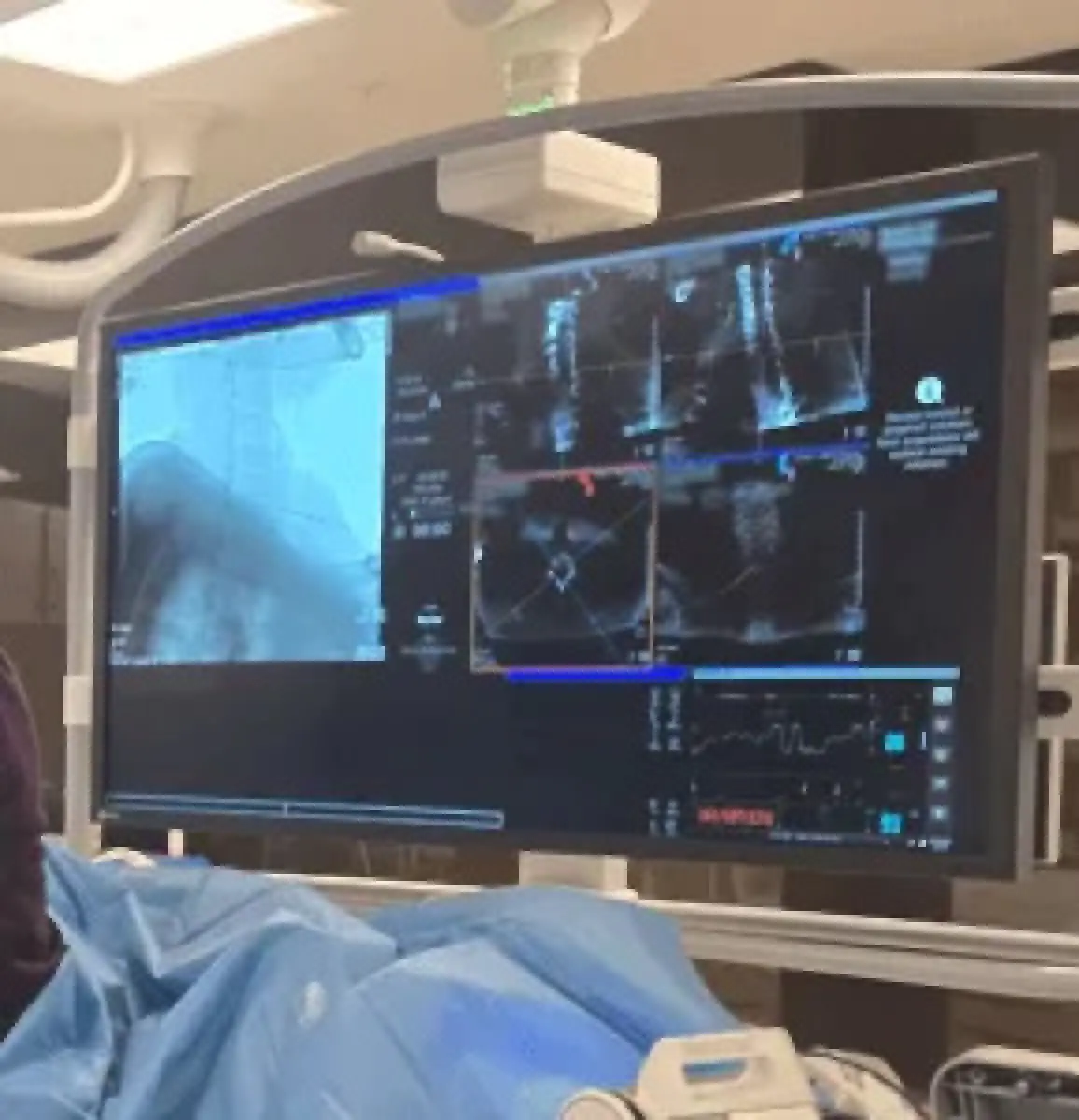
The medical team has published 94 international papers with over 2,500 citations. Prof. Dr. Kılıçkesmez previously headed interventional radiology at IEAH. The clinic uses advanced imaging, including 3D CT, MRI, and digital angiography. Vertebroplasty and tumor ablation are performed under real-time fluoroscopic guidance. The facility received first prize at the Siemens Radiology Awards.


 Clinic not accepting new requests
 Average answering time — 5 minutes
| treatment | |
|---|---|
| Vertebral Artery Angioplasty and Stenting | Price on request |
| Herniated disc surgery | Price on request |
| Endoscopic discectomy | Price on request |
| Discectomy | Price on request |
| treatment | |
|---|---|
| Herniated disc surgery | Price on request |
| Discectomy | Price on request |
| treatment | |
|---|---|
| Aneurysm coiling | Price on request |
| Radiofrequency ablation | Price on request |
| AVM Embolization | Price on request |
Prof. Dr. Özgür Kılıçkesmez holds board certifications that reflect high standards of care. These include the European Board of Interventional Radiology (EBIR) and Turkish Board certifications in both Radiology and Interventional Radiology. He also holds a Stroke Treatment certification for neurovascular emergencies.
Prof. Dr. Kılıçkesmez has published 94 international and 40 national scientific papers. These works have earned over 2,500 citations in medical literature.
The clinic's leadership has received several professional awards:
Prof. Dr. Kılıçkesmez previously headed the Interventional Radiology Department at IEAH. He currently leads the department at Memorial Göztepe Hospital.
Specialists treat neurovascular conditions using endovascular techniques. These procedures address brain aneurysms and strokes through the groin or wrist. By working from within the blood vessel, surgeons avoid traditional open-skull surgery.
Spinal care follows individualized protocols for compression fractures. The team evaluates fracture age and pain severity using MRI and CT scans. They perform vertebroplasty and kyphoplasty – procedures that use fluoroscopy to guide bone cement injections into damaged vertebrae.
The clinic treats various tumors using non-surgical thermal ablation. Specialists select the method based on tumor size and location. Options include radiofrequency ablation, microwave ablation, and cryoablation to destroy cancer cells without large incisions.
Endovascular embolization targets several conditions:
These procedures use microcatheters to selectively block blood flow to specific tissues or lesions.
All treatments are planned using a full suite of diagnostic tools. The clinic uses MRI, CT, and digital angiography for precise procedural mapping. Ultrasound and dynamic fluoroscopy provide real-time guidance during interventions to protect healthy tissue.
Safety starts with individualized imaging evaluations. For liver procedures, the team performs image-guided percutaneous or transjugular biopsies. These methods allow accurate tissue sampling while minimizing bleeding risk.
The clinic provides medical services in several languages. Consultations and treatments are available in Turkish, English, German, Russian, and Arabic. Patients receive detailed recovery instructions and customized medication schedules after their procedures.
Specific follow-up protocols support long-term monitoring. Oncology patients undergo imaging every three months during the first year. The team also coordinates blood tests to track thyroid function or tumor markers after embolization.
 Clinic not accepting new requests
Average answering time — 5 minutes
Clinic not accepting new requests
Average answering time — 5 minutes