Neurosurgery
| treatment | |
|---|---|
| Discectomy | Price on request |
| Medication treatment for Parkinson's disease | Price on request |
| Stereotaxic radiosurgery | Price on request |
| Surgical treatment of radiculopathy | Price on request |
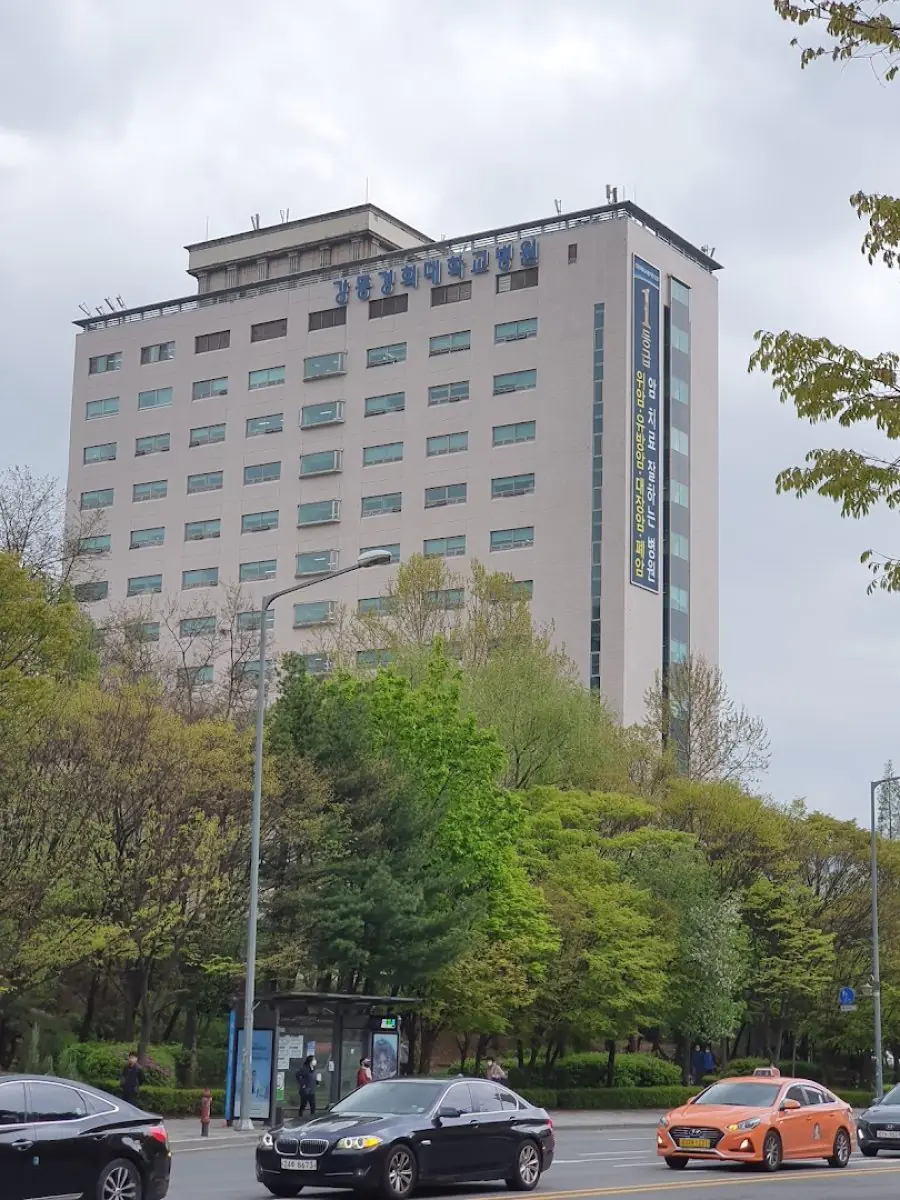
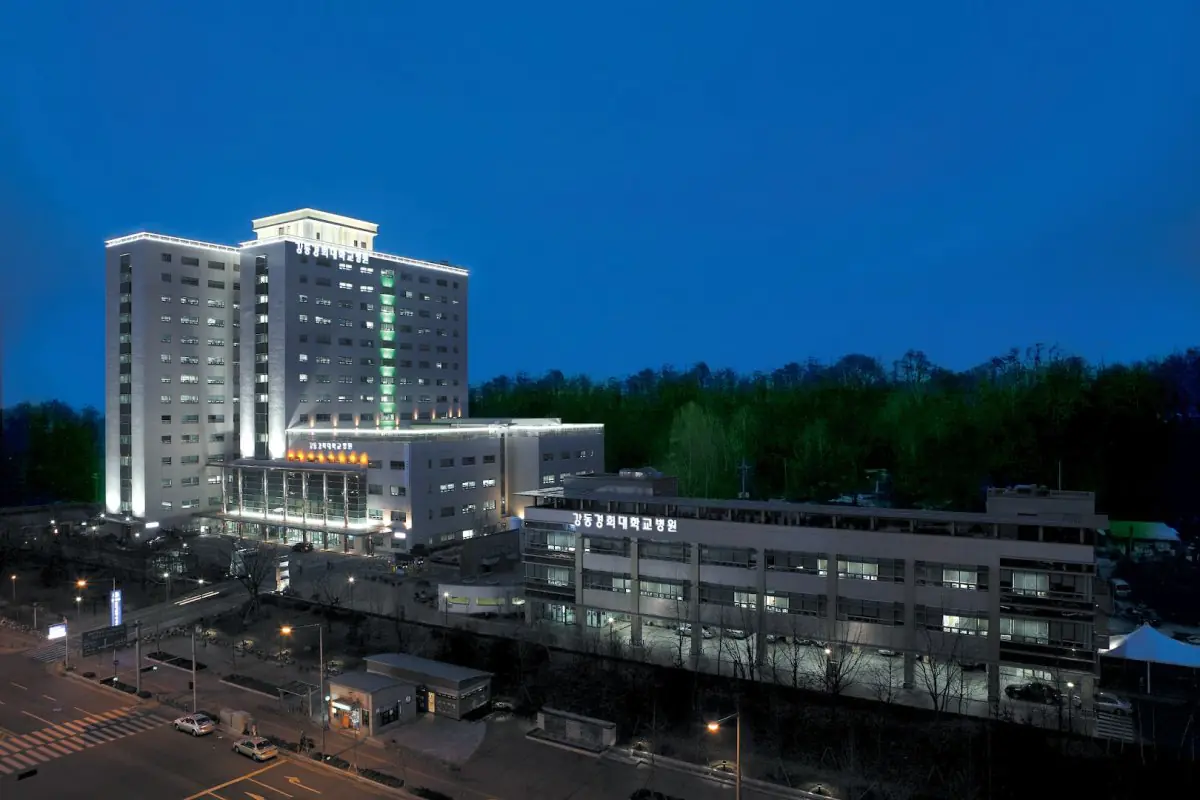
Kyung Hee University Hospital at Gangdong is a university-affiliated multispecialty hospital in Seoul. The facility offers advanced care in oncology, cardiology, and robotic surgery. It also treats children in pediatrics and child psychiatry. The national health service selects it for its high volume of complex surgeries. Founded in 1996, the center has 800 beds and over 53 specialized centers.
The medical team treats over 11,000 international patients from 53 countries each year. Specialized units include a Robotic Surgery Center and a Cardiovascular Center. UNICEF has designated the hospital as a baby-friendly facility. It won the Medical Korea Grand Prize for its international patient services. The hospital also received the Grand Prize at Korea Global Medical Marketing. Surgeons use the Da Vinci Robotic System for precise, minimally invasive procedures. Multilingual coordinators offer support in English, Russian, Mongolian, and Chinese.


 Clinic not accepting new requests
 Average answering time — 5 minutes
| treatment | |
|---|---|
| Discectomy | Price on request |
| Medication treatment for Parkinson's disease | Price on request |
| Stereotaxic radiosurgery | Price on request |
| Surgical treatment of radiculopathy | Price on request |
| treatment | |
|---|---|
| Myomectomy (removal of uterine fibroids) | Price on request |
| treatment | |
|---|---|
| Endovenous radiofrequence ablation (EVRF) | Price on request |
| Aneurysm coiling | Price on request |
| Coronary angiography | Price on request |
| Heart cryoablation | Price on request |
| treatment | |
|---|---|
| Cataract surgery (one eye) | Price on request |
| Cataract surgery (both eyes) | Price on request |
| Cataract surgery with IOL replacement | Price on request |
| treatment | |
|---|---|
| Operation Marmara (microsurgical subinguinal varicocelectomy) | Price on request |
Kyung Hee University Hospital at Gangdong (KHNMC) is a multi-specialty, university-affiliated hospital in Seoul. Established in 1996, it serves as a major teaching hospital and a hub for international medicine. The hospital operates 800 beds and manages more than 53 specialized centers under the international patient brand KUIMS.
KHNMC has received multiple national and international recognitions for medical excellence. UNICEF has designated it as a baby-friendly institution. The Health Insurance Review and Assessment Service identified it as a high-volume provider for complex surgeries.
The clinic holds several prestigious awards:
The hospital also serves as a cooperative medical institute certified by the City of Seoul.
The hospital uses multidisciplinary care for cancer patients. This approach speeds up diagnosis and treatment. The Oncology department combines targeted therapy and immunotherapy with robotic surgery. A dedicated Robotic Surgery Center supports these operations for various cancer types.
Specialists use the Da Vinci Robotic System for complex surgical tasks. This technology delivers high precision while minimizing trauma to surrounding healthy tissue. Surgeons also perform stereotaxic radiosurgery – a non-invasive method that treats tumors with high-dose radiation.
Cancer care at KHNMC involves localized teams of radiologists, pathologists, and surgeons. This structure helps determine the most effective surgical or pharmacological approach for each patient.
The Cardiovascular Center treats common and complex heart conditions using modern intervention techniques. Dr. Yang So Young performs RF catheter ablation for arrhythmias. The center also provides cardiac electrical device therapy, including pacemakers and CRT.
The hospital offers surgical and medical services across major departments:
Professor Joh Jin Hyun leads vascular treatments like EVRF for vein conditions. Professor Park Se Hee manages the Ophthalmology department, focusing on cataract surgery.
The hospital maintains diagnostic tools to support its 53 specialized centers. Imaging capabilities include MRI and CT scans for anatomical assessment. The PET-CT with Sifalin-TATE system provides detailed metabolic imaging for oncology staging.
Other diagnostic services include:
These tools allow physicians to create detailed treatment plans before surgery.
The KUIMS brand coordinates end-to-end support for over 11,000 global patients annually from 53 countries. Healthcare coordinators are available at all times to assist with communication. Supported languages include English, Russian, Mongolian, and Chinese.
The International Healthcare Center assists with:
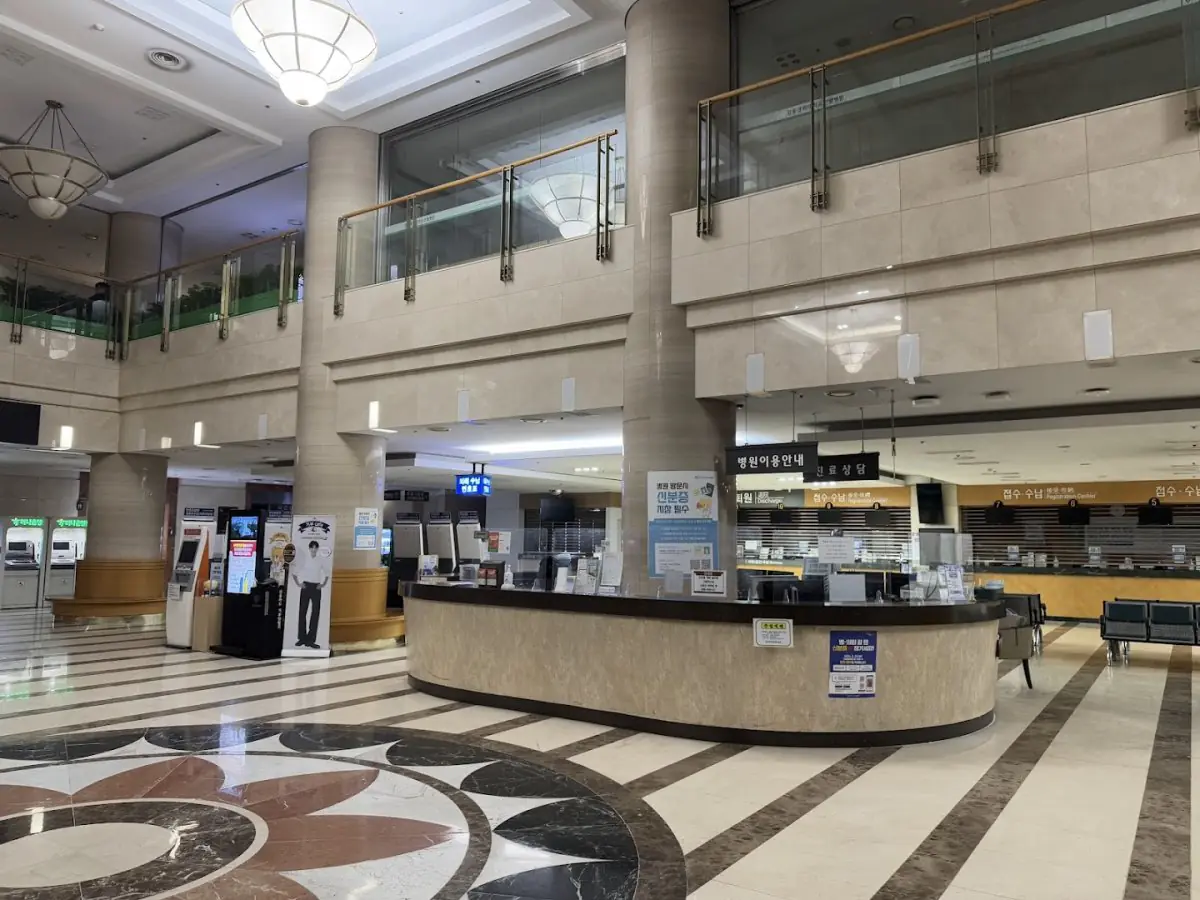
The hospital premises include amenities for patients and families. These include a 24-hour convenience store, multiple cafes, a food court, and a bank.
 Clinic not accepting new requests
Average answering time — 5 minutes