
Kwang Rae Kim
Republic of Korea, Seoul
Doctor's visit
Price on request
Doctor's visit
Price on request
Compare top Infertility doctors and prices in Republic of Korea. Find your best match here.
We'll hand-pick the best doctors based on your needs and budget.
Meet the experts behind this page
Medically reviewed by Fahad Mawlood
Medical Editor & Data ScientistTop doctors
6
Republic of Korea
Reviews
14,000+
From real patients
Get free personalised treatment plans and choose the best option. No commitment · No payments for our services
Doctor's visit
Price on request
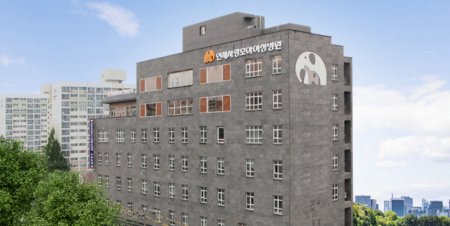


Dr Go Mi Hyang is a specialist obstetrician and gynaecologist at Yonseisarangmoa Hospital with formal credentials from Chungnam National University.
Doctor's visit
Price on request
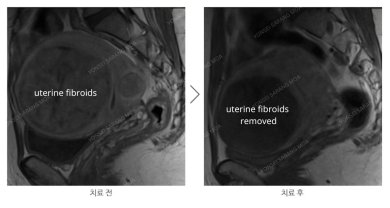

Professor Hong Jung Lee is an infertility specialist who serves as the Director of Yonsei Sarangmoa Women's Hospital. He holds academic appointments at two of South Korea's most prestigious medical institutions.
Doctor's visit
Price on request

Professor Hong Ju leads care as the Co-Director of Yonsei Sarangmoa Women's Hospital, having trained at the prestigious Yonsei University College of Medicine.
Doctor's visit
Price on request

Professor An Jea Hyeong is a reproductive health specialist who serves as an Adjunct Professor at Inje University Paik Hospital in Seoul.
Doctor's visit
Price on request

Doctor's visit
Price on request
Choosing a clinic abroad can be stressful. At Bookimed, with over 800K patients helped, we understand your concerns. We know how to find trusted doctors, the best price-quality options, and solutions for even complex cases. We’re here to guide you every step of the way.
Yan Matsiivskiy
Head of Medical Coordinator Team
4300++ patient journeys guided
3 years at Bookimed
60 patients from South Korea have found their doctor through us this month
2 min Quiz
Tell us your goal, budget, timeline
Human Matching + AI
Our algorithm finds matches, coordinator verifies fit
Your Options Ready
Compare prices, packages, dates. Chat with your coordinator
Overwhelmed by choices?
Guiding your treatment
Medically trained personal coordinators






| Rank | Doctor | experience | Good Fit For | What Sets Them Apart | Clinic & Location | Consultation |
|---|---|---|---|---|---|---|
| #1 | 25 years of experience | Fetal medicine and high-risk pregnancy care | Specialises in perinatology and fetal medicine, focusing on mother and baby health during complex pregnancies. Member of the Korean Society of Obstetrics and Gynecology. | Republic of Korea | Price on request
| |
| #2 | 27 years of experience | University-backed fertility and fetal medicine | As an Adjunct Professor at Yonsei and Korea Universities, he applies academic research to clinical infertility cases. He is a recognised leader in perinatology and fetal medicine within South Korea. | Republic of Korea | Price on request
| |
| #3 | 25 years of experience | Reproductive wellness and menopause support | Teaches at Yonsei University as an Adjunct Professor. Expertise spans menopause, urogynecology, and perinatology, offering a rounded approach to women's reproductive health and specialist obstetric care. | Republic of Korea | Price on request
| |
| #4 | 27 years of experience | Maternal-fetal health and high-risk pregnancy support | As a former Chief of Obstetrics and Gynaecology and current Adjunct Professor, he combines senior hospital leadership with academic expertise in fetal medicine and perinatology. | Republic of Korea | Price on request
|
Infertility doctors in South Korea frequently speak English, especially at specialized centers and university hospitals in Seoul. Many specialists, such as Dr. Hong Ju at Yonseisarangmoa, hold adjunct professor roles at top universities where English medical literature is the standard. Professional coordinators and international departments bridge any remaining language gaps during the treatment process.
Bookimed Expert Insight: While many doctors are fluent, some switch to English only after confirming a patient's preference. At centers like Yonseisarangmoa Women Disease Hospital or MizMedi, the presence of adjunct professors suggests a high level of academic English. Patients should rely on Bookimed to confirm which specific doctor at a clinic will lead their consultation in English.
Patient Consensus: Patients found that while staff might use basic English, specialists often communicate protocols clearly. They noted that coordinators are lifesavers for navigating complex IVF steps without needing an external translator.
Evaluate Korean infertility doctors by reviewing their clinical leadership roles and specialized health society memberships. Verified success metrics are filed through the Health Insurance Review and Assessment Service (HIRA). Look for doctors with adjunct professor status at top universities like Yonsei to ensure updated expertise.
Bookimed Expert Insight: Success rates in Korea often vary by the specialist's medical school affiliation and leadership roles. Directors like Dr. Hong Jung Lee at Yonsei Sarangmoa hold adjunct professor posts at multiple medical schools. This indicates they teach the latest techniques, which likely results in more precise treatment plans than general practitioners.
Patient Consensus: Patients suggest asking doctors for the specific reason a cycle failed to judge their transparency. Real experiences show that getting second opinions helps identify which doctors ask more thorough, individual questions.
Infertility doctors in the Republic of Korea usually transfer one to two embryos per cycle. Professionals like Dr. Hong Jung Lee at Yonsei Sarangmoa Hospital follow strict age-based guidelines. These protocols aim to minimize multiple pregnancy risks while maximizing the chances of a healthy live birth.
Bookimed Expert Insight: Leading specialists in Seoul, including those at MizMedi and Yonsei Sarangmoa, are moving toward elective single-embryo transfer. This shift is driven by advanced screening and a focus on long-term maternal health. Data shows that even when patients request multiple embryos, directors like Dr. Hong Ju often recommend single transfers if embryo quality is high.
Patient Consensus: Patients noticed that clinics often make single-embryo transfer the routine choice for first-timers. While some negotiated for two embryos after multiple losses, many felt the conservative approach reduced physical stress. They appreciated that this method led to fewer complications during pregnancy.
You can consult a Korean Medicine (KM) doctor for infertility in Korea. South Korea uses a dual medical system. Both conventional and traditional KM treatments are legally recognized. Specialists like Dr. Woo Jung Choi provide holistic care for local and international patients.
Bookimed Expert Insight: Patients found that starting KM treatments earlier in their journey provided better results. One non-obvious pattern from specialist profiles like Dr. Woo Jung Choi is the focus on mind-body healing. Combining traditional diagnostics with modern tools like ultrasound creates a more precise treatment plan for complex infertility.
Patient Consensus: Patients noticed that weekly acupuncture sessions helped regulate their cycles within two months after failed IVF rounds. Many found that custom herbal protocols improved uterine lining thickness during their stay in Seoul.
In Korean fertility clinics, your primary doctor rarely oversees every visit or procedure personally. While a lead specialist like Dr. Hong Ju at Yonseisarangmoa Women Disease Hospital manages your plan, residents or nurses often handle routine monitoring and injections to maintain clinic efficiency.
Bookimed Expert Insight: Data shows that choosing a doctor with high-level administrative roles, such as Dr. An Jea Hyeong who served as Chief of Obstetrics at multiple hospitals, often means they manage a larger clinical team. These specialists focus on high-level strategy, while a rotation of qualified residents handles the standard daily monitoring steps.
Patient Consensus: Patients noted that lead doctors often only appear for the final transfer, while trainees handle earlier steps. Many recommend confirming the team structure early so you do not feel like just another case in line.
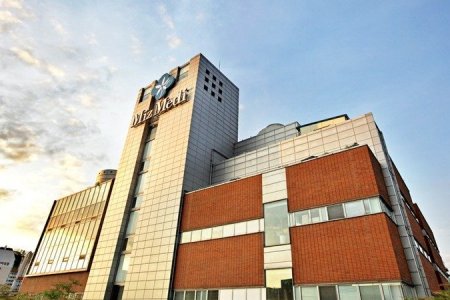
Infertility specialists in Korea do not require both partners at every visit, but joint attendance is essential for initial consultations and key milestones. Centers like MizMedi Women`s Hospital prioritize seeing both partners first to evaluate medical histories and perform essential tests like semen analysis.
Bookimed Expert Insight: Specialists like Dr. Hong Jung Lee at Yonsei Sarangmoa Women’s Hospital use advanced robotic systems, making them an excellent choice for complex infertility caused by structural issues like fibroids. Choosing a director-level specialist who is also an adjunct professor ensures your treatment follows the latest academic research and clinical protocols.
Patient Consensus: Patients find that clinics provide helpful text reminders specifying exactly when both partners must be present. While egg retrieval prep is usually handled individually, couples appreciated the shared emotional support during the crucial embryo transfer discussions.